European Security Needs Turkey
•February 20, 2026
0
Why It Matters
Re‑integrating Turkey strengthens Europe’s defense posture and preserves NATO cohesion amid U.S. policy uncertainty. It offers a pragmatic path to strategic autonomy without massive new spending.
Key Takeaways
- •Europe’s security gap widens without US commitment
- •Turkey remains NATO’s largest army and regional stabilizer
- •Strategic autonomy requires Turkey’s air and missile capabilities
- •EU‑Turkey cooperation could offset declining US defense funding
Pulse Analysis
The erosion of American security guarantees has forced European capitals to confront a stark reality: they can no longer assume U.S. primacy in defending the continent. This shift, amplified by the political volatility of the Trump administration, has accelerated discussions about strategic autonomy within the EU. Policymakers are now scanning the alliance map for reliable partners capable of delivering hard power, and Turkey emerges as a natural candidate given its extensive military infrastructure and proximity to volatile neighborhoods.
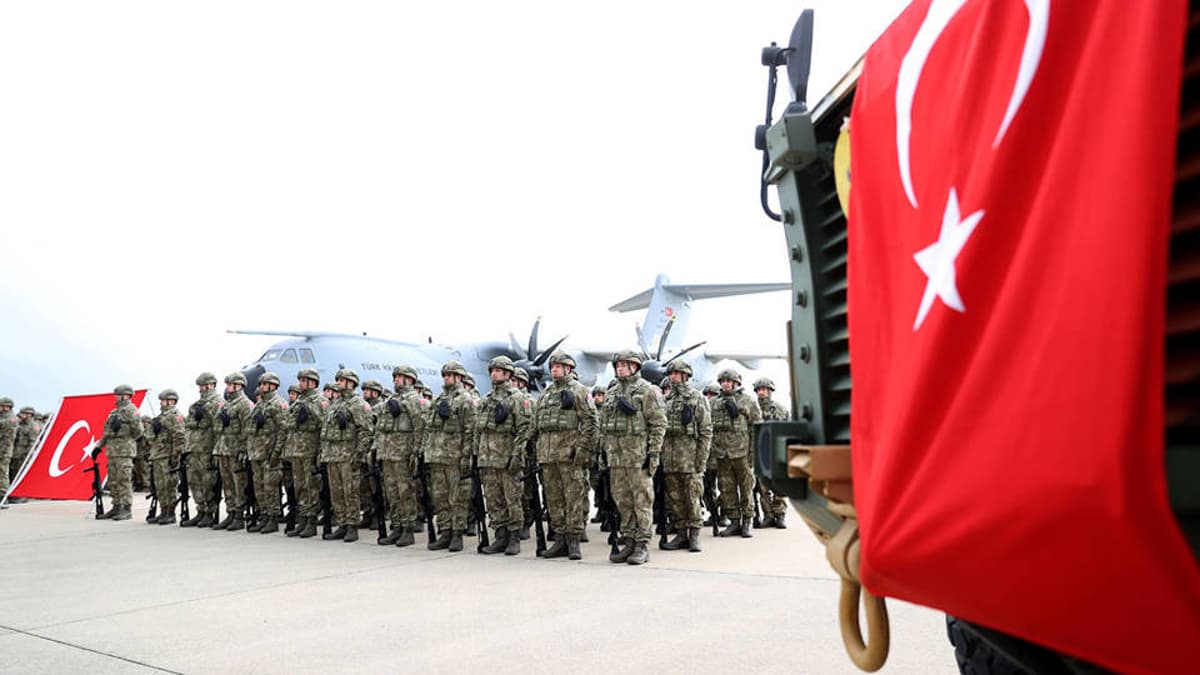
Turkey’s defense portfolio offers Europe capabilities that are difficult to replicate quickly. With the world’s second‑largest standing army, a robust air force, and a growing indigenous missile program, Ankara can project power across the Eastern Mediterranean, the Black Sea, and the Middle East. Its NATO membership provides interoperability frameworks already in place, while its geographic position grants rapid response options to crises on Europe’s southern flank. Leveraging these assets could reduce the EU’s dependence on costly procurement programs and fill critical gaps in air defense and rapid deployment.
Nevertheless, political friction between Brussels and Ankara complicates any swift partnership. Human rights concerns, divergent energy policies, and competing regional ambitions have strained relations for years. To move forward, European leaders must craft a pragmatic, issue‑focused agenda that separates security cooperation from broader political disputes. Structured joint exercises, intelligence sharing, and limited procurement deals could build trust, while a clear EU‑Turkey strategic roadmap would signal commitment to collective defense and reinforce NATO’s relevance in a multipolar world.
European Security Needs Turkey
0
Comments
Want to join the conversation?
Loading comments...