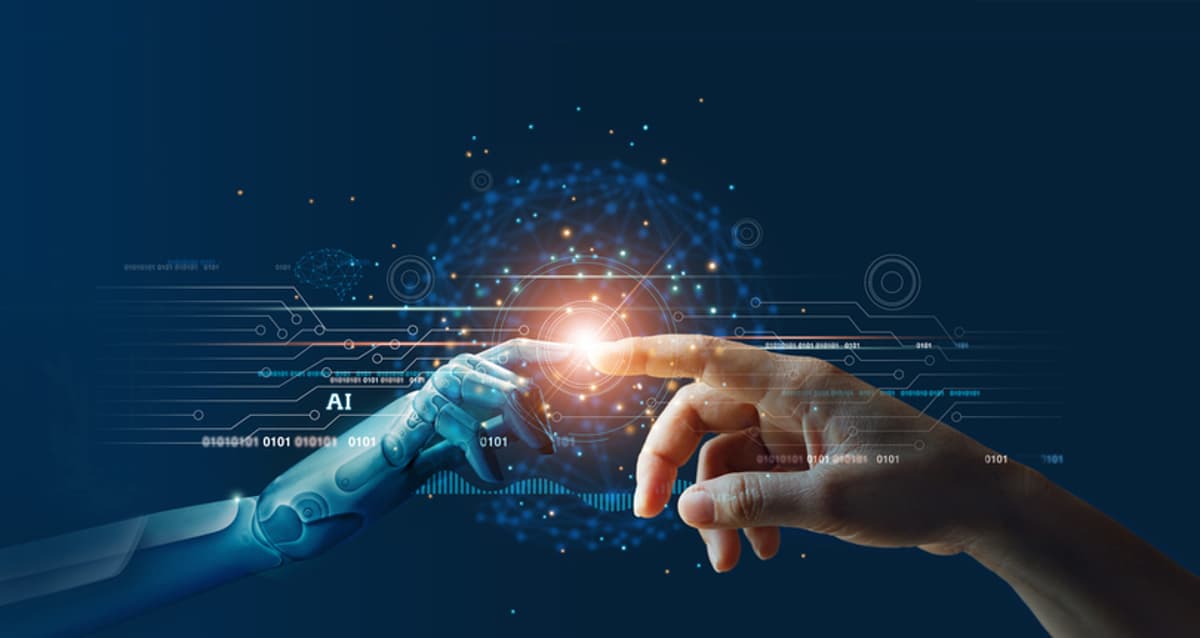
Even as AI Gets Better at Finding Digital Weak Spots, It Doesn’t Eliminate the Human Role in Cyber Conflict
Companies Mentioned

Why It Matters
AI‑driven vulnerability hunting reshapes the cyber threat landscape, forcing enterprises and governments to overhaul detection, patching, and incident‑response processes while investing in talent and policy frameworks.
Key Takeaways
- •AI speeds zero‑day discovery and weaponization
- •Human governance remains essential despite AI advances
- •Nation‑states use AI to lower attack barriers
- •Critical infrastructure faces heightened AI‑enabled risk
- •Real‑time, cross‑disciplinary training improves response speed
Pulse Analysis
The emergence of AI models like Anthropic’s Mythos marks a turning point in cyber‑risk management. By automating code analysis at scale, these systems can uncover previously unknown vulnerabilities in minutes—a task that once required weeks of manual effort. This capability acts as a double‑edged sword: defenders gain a powerful early‑warning tool, while adversaries can weaponize flaws faster than patch cycles allow. Consequently, organizations must integrate AI‑assisted scanning into their security operations centers, pairing it with continuous monitoring and rapid remediation pipelines to stay ahead of the threat curve.
Beyond the technology itself, the human element is the decisive factor in a landscape where machines can outpace human cognition. Miller emphasizes that effective cyber defense hinges on a triad of people, processes, and technology. Universities and corporate training programs are now embedding real‑time communication drills, where analysts must articulate findings while actively probing systems. This approach cultivates the situational awareness and rapid decision‑making needed when AI‑generated alerts flood security teams. Moreover, governance frameworks must evolve to address ethical considerations, ensuring AI tools are deployed responsibly and do not inadvertently expose sensitive data.
The strategic implications extend to national security and critical infrastructure. Nation‑state actors, already adept at influence operations, are accelerating their offensive playbooks with AI, targeting sectors like transportation, utilities, water, and telecom that form the backbone of the economy. The convergence of cyber and physical domains means that even non‑technical staff—janitors, night‑shift operators—become vital sensors in the defense ecosystem. For businesses, this translates into a mandate to broaden security awareness, embed cross‑functional teams, and invest in AI‑augmented defenses that complement, rather than replace, skilled human expertise.
Even as AI gets better at finding digital weak spots, it doesn’t eliminate the human role in cyber conflict
Comments
Want to join the conversation?
Loading comments...