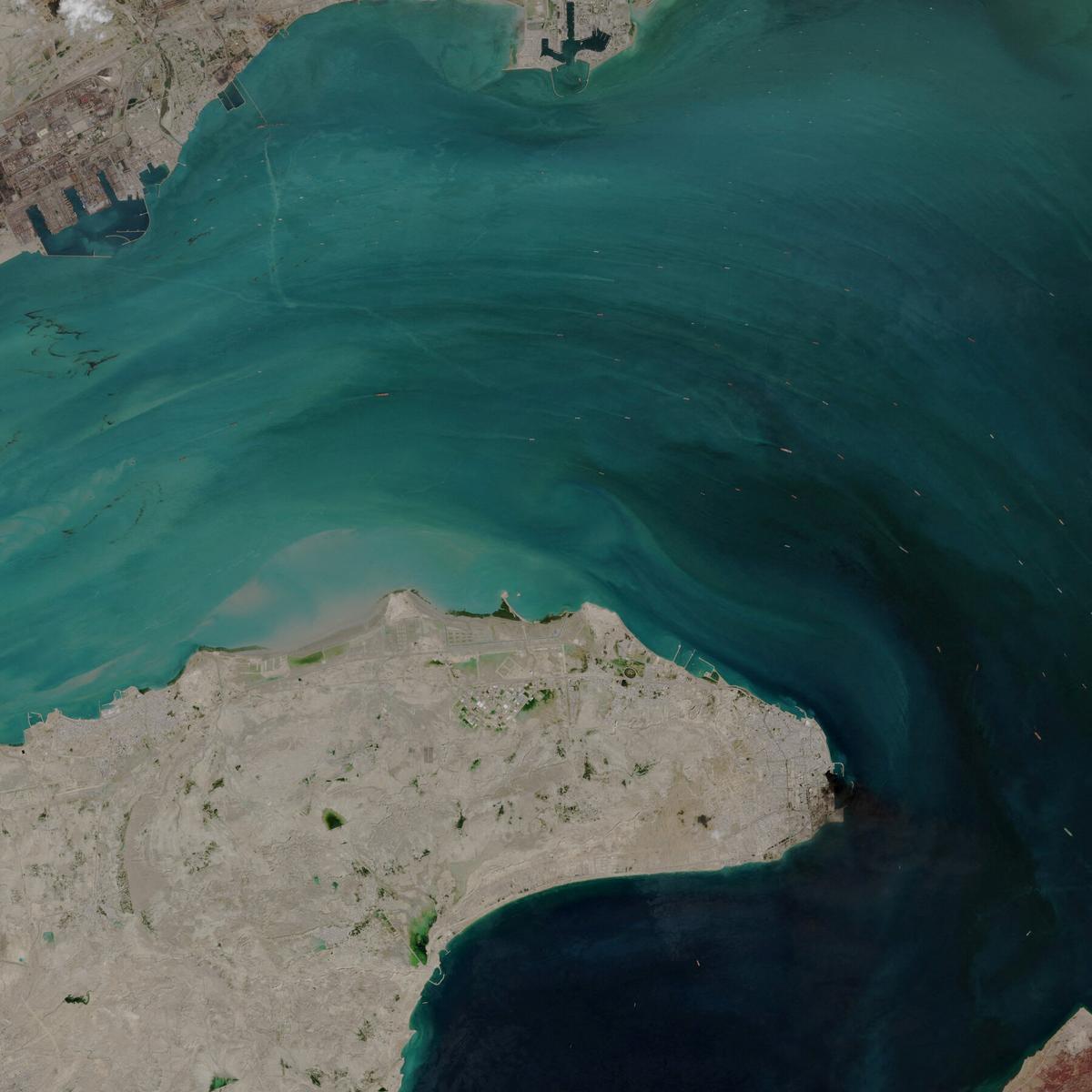
For Iran, Flexing Control Over Waterway Is New Deterrent
Why It Matters
A closure of the strait would instantly spike energy costs and strain global supply chains, raising the stakes for any future conflict involving Iran. It also proves Iran can wield strategic leverage without a nuclear weapon, reshaping regional security calculations.
Key Takeaways
- •Iran controls Strait of Hormuz, affecting 20% of world oil flow
- •Oil, gasoline, and fertilizer prices rose due to shipping disruptions
- •US and Israel must devise new military plans to secure the strait
- •Conflicting statements from Trump, Iran’s foreign minister, and IRGC show internal split
Pulse Analysis
The Strait of Hormuz has long been a chokepoint for energy markets, but Iran’s recent decision to flex its geographic advantage marks a shift from nuclear posturing to tangible control of trade routes. By threatening to restrict the flow of roughly 20 percent of the world’s oil, Tehran can impose immediate economic pain on consumers and governments alike, a tactic that requires far less technological sophistication than a nuclear deterrent. This strategy underscores how physical terrain can become a potent lever in modern geopolitical contests.
Global markets reacted swiftly as shipping delays translated into higher gasoline, diesel and fertilizer prices, feeding inflationary pressures already straining economies. Analysts note that even short‑term disruptions can reverberate through supply chains, prompting manufacturers to reassess inventory buffers and prompting investors to seek alternative energy exposures. The episode also highlights the vulnerability of oil‑dependent economies and the broader implications for energy security policy, prompting calls for diversified routes and increased strategic petroleum reserves.
For the United States and Israel, Iran’s maneuver forces a reassessment of military options ranging from naval escorts to potential kinetic actions aimed at reopening the waterway. Yet internal discord within Iran—evident in contradictory statements from President Trump, the foreign minister and the IRGC—suggests a lack of unified command, which could either be exploited or lead to unpredictable escalations. As diplomatic efforts to end the broader conflict continue, the strait’s status will remain a barometer for Tehran’s willingness to leverage geography as a core component of its deterrence doctrine.
For Iran, Flexing Control Over Waterway Is New Deterrent
Comments
Want to join the conversation?
Loading comments...