Germany Rearms – but Can It Lead? Europe’s Hesitant Superpower in Waiting
Why It Matters
Germany’s rearmament is critical for NATO’s collective defense, but strategic incoherence and political volatility could delay a reliable European power base.
Key Takeaways
- •€100 bn ($108 bn) fund allocated for Bundeswehr modernization.
- •Defense spending climbs above 2% of GDP, a historic shift.
- •No coherent doctrine yet; strategy still being drafted.
- •Equipment shortfalls persist despite funding, hindering rapid deployment.
- •Domestic political fragmentation threatens consistent defense policy.
Pulse Analysis
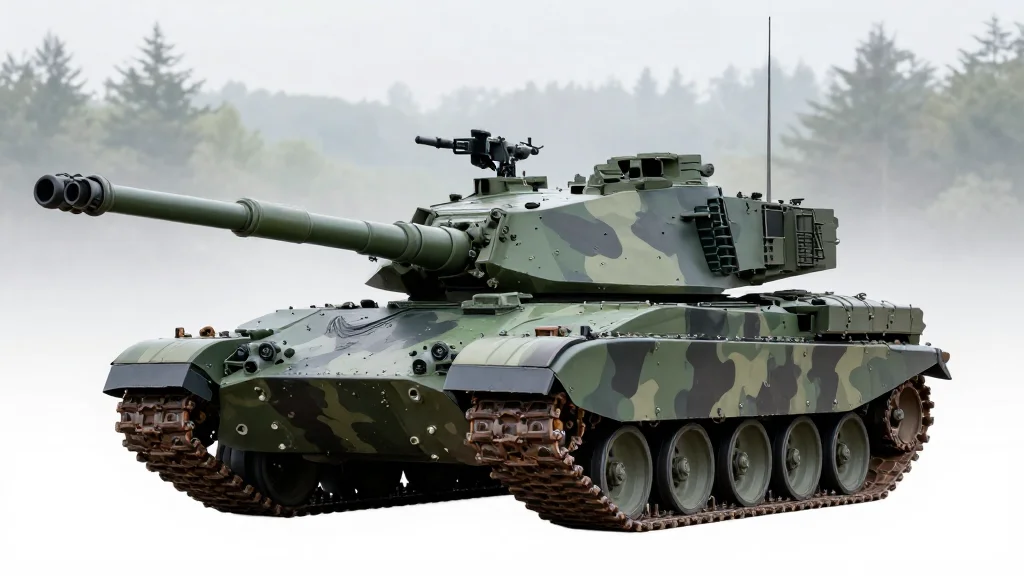
The "Zeitenwende" declared by former Chancellor Olaf Scholz has evolved from a rhetorical shift into a concrete financial commitment. By earmarking roughly $108 billion for the Bundeswehr, Germany aims to close the capability gap that has long constrained its role in NATO. The procurement of F‑35 aircraft and the deployment of Leopard 2 tanks to frontline posts such as Lithuania illustrate a decisive move away from post‑Cold War restraint toward a more assertive security posture, reshaping Europe’s strategic balance.
Despite the influx of capital, the Bundeswehr remains hamstrung by a lack of doctrinal clarity. Existing policy documents outline broad objectives but stop short of a detailed operational doctrine, leaving planners to reconcile territorial defense, expeditionary missions and industrial mobilization on an ad‑hoc basis. Equipment shortages, delayed deliveries of communications gear and armored vehicles, and reliance on U.S. logistical support expose a readiness gap that could undermine rapid response capabilities, especially as geopolitical tensions with Russia intensify.
Compounding these military challenges is Germany’s volatile domestic landscape. A fragmented coalition government, eroding support for Chancellor Friedrich Merz and a surging AfD threaten to politicize defense decisions, slowing consensus on long‑term strategy. Moreover, the country’s export‑driven economic model faces headwinds from energy price volatility and competition in the automotive sector, limiting fiscal flexibility. For Europe to benefit from a stronger German defense pillar, Berlin must align its industrial capacity, political will and strategic doctrine, turning financial muscle into a coherent, deployable force that can reliably anchor NATO’s eastern flank.
Germany rearms – but can it lead? Europe’s hesitant superpower in waiting
Comments
Want to join the conversation?
Loading comments...