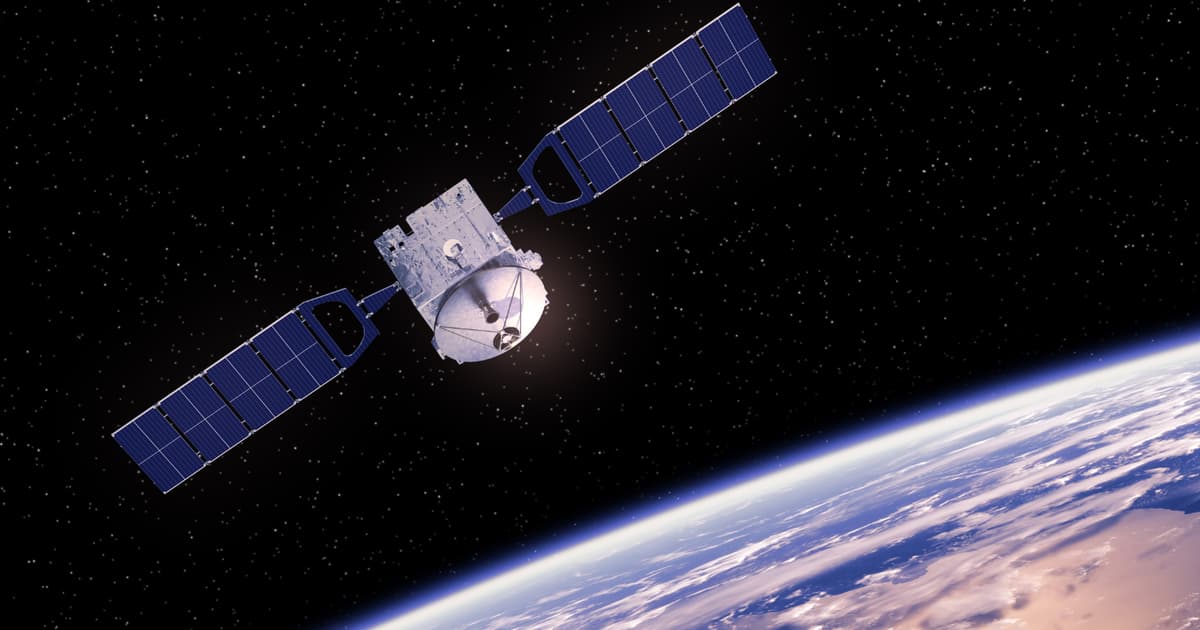
Iceye, a Finnish Company that Builds Radar Satellites that See Through Clouds and Darkness, Just Hit a 10-Billion-Euro Valuation — and the Buyers Weren’t Venture Funds Chasing the Next SpaceX, but European Governments Preparing for a World without American Satellite Intelligence
Companies Mentioned
Why It Matters
The capital infusion accelerates Europe’s sovereign intelligence capability, reducing reliance on U.S. satellite data and reshaping the defense‑space market.
Key Takeaways
- •Iceye's Series F raised €1 bn (~$1.08 bn) at €10 bn valuation
- •Production target doubles to 100 SAR satellites per year by 2028
- •German and Polish governments secured sovereign SAR contracts worth over $2 bn
- •Iceye posted 2025 revenue €250 m and EBITDA €100 m
- •European push for space autonomy reduces reliance on US intelligence
Pulse Analysis
Synthetic‑aperture‑radar satellites have become a strategic asset because they can image the Earth through clouds, smoke and darkness, delivering reliable intelligence regardless of weather or lighting. Iceye’s technology, proven in Ukraine’s battlefield monitoring, positions the firm at the forefront of this niche. The recent €1 billion financing round, led by General Atlantic and supported by sovereign investors such as Finland’s Solidium and Qatar’s Investment Authority, pushed the company’s valuation to roughly $10.8 billion—four times its level six months earlier—signaling strong confidence in the commercial viability of high‑cadence, low‑cost SAR constellations.
For European defense ministries, the deal marks a decisive step toward strategic autonomy. A €1.9 billion contract with Germany’s Rheinmetall and a rapid‑delivery Polish SAR constellation illustrate how national security customers are prioritizing home‑grown space assets over U.S. providers. Iceye’s plan to double annual satellite output to 100 units by 2028 would enable two‑year refresh cycles for national constellations, creating a scalable supply chain that can meet surge demand during crises while staying within EU export controls. This industrial capacity, coupled with a €1.5 billion backlog, gives Europe a credible alternative to American intelligence feeds.
Investors see Iceye as a category leader rather than a single‑product venture. The company posted 2025 revenue of about $270 million and EBITDA of $108 million—rare profitability in the satellite sector—while maintaining a pipeline of sovereign contracts that could sustain growth for decades. However, the model hinges on continued political will and defense budgets across Europe; any shift in government priorities could affect demand. Nonetheless, the valuation and funding round suggest the market believes Europe’s appetite for independent space‑based intelligence is a long‑term structural trend, reshaping the competitive landscape for both private NewSpace firms and traditional aerospace contractors.
Iceye, a Finnish company that builds radar satellites that see through clouds and darkness, just hit a 10-billion-euro valuation — and the buyers weren’t venture funds chasing the next SpaceX, but European governments preparing for a world without American satellite intelligence
Comments
Want to join the conversation?
Loading comments...