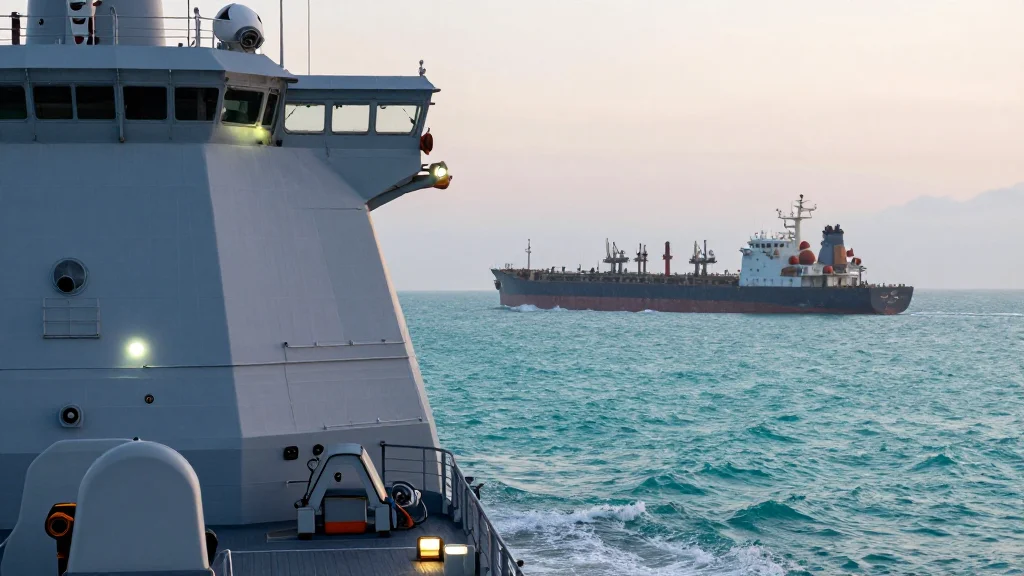
India Takes on the Shadow Fleet (Bonus Video)
Key Takeaways
- •India seized three shadow tankers in its EEZ
- •Shadow fleet moves 3‑4 million barrels daily
- •Russia relies on fleet for major oil revenue
- •Raids may prompt other nations to target fleet
- •Could reshape energy flows to China and India
Pulse Analysis
The shadow fleet operates as a covert maritime shuttle, using aging tankers flagged under false identities to transfer sanctioned crude from Russia, Iran and Venezuela to buyers in Asia. By swapping cargo at sea, the network evades traditional sanctions enforcement, moving an estimated 3‑4 million barrels per day. This hidden supply chain has become a lifeline for Russia’s war economy, while providing affordable oil to energy‑hungry markets like India and China.
India’s recent naval raids mark a decisive break from its long‑standing tacit support of the fleet. Seizing three vessels within its exclusive economic zone demonstrates a willingness to enforce maritime law and align more closely with U.S. pressure on sanctioned trade. The action sends a clear signal to other maritime powers that the shadow fleet is vulnerable, potentially prompting coordinated interdictions that could quickly erode the fleet’s operational viability.
If the shadow fleet collapses, Russia could lose a critical source of hard currency, tightening fiscal constraints on its military campaign in Ukraine. Simultaneously, China may face reduced access to discounted Russian crude, forcing it to seek alternative suppliers at higher costs. The ripple effects would reverberate through global oil markets, likely tightening supply and nudging prices upward. India’s pivot also hints at deeper strategic realignment with Washington, reshaping South Asian geopolitics and influencing future trade and security dynamics.
India Takes on the Shadow Fleet (Bonus Video)
Comments
Want to join the conversation?