India’s Nicobar Island Push Threatens China’s Malacca Lifeline
Why It Matters
The base could shift the strategic balance in the Indo‑Pacific by giving India leverage over China’s critical oil supply route, while also opening new commercial opportunities for Indian shipping and logistics. At the same time, the project raises geopolitical tension and domestic sustainability concerns that could affect regional stability.
Key Takeaways
- •$9 billion Great Nicobar project includes airport, radar, deep‑water port
- •Initial phase expected operational by 2028, full build‑out over 20 years
- •Location offers India surveillance of western Malacca Strait mouth
- •Project challenges China’s "String of Pearls" maritime network
- •Indigenous Shompen tribe faces displacement and environmental risks
Pulse Analysis
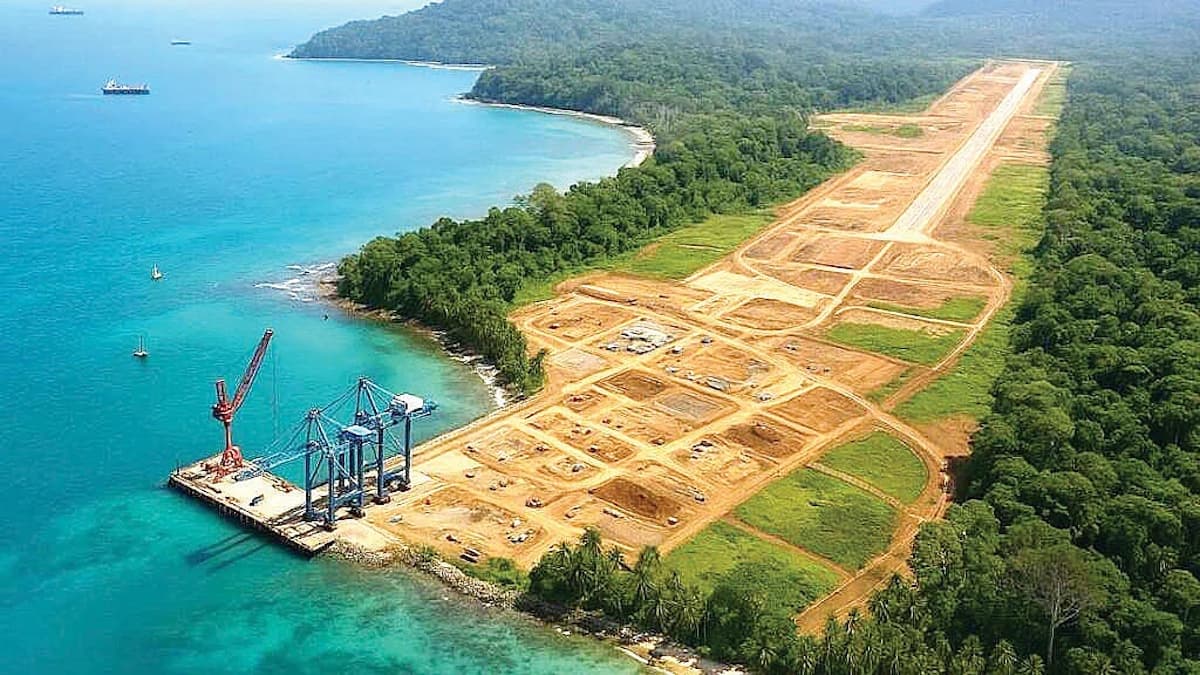
India’s Great Nicobar initiative marks the most ambitious maritime expansion in its history. The $9 billion venture will replace the modest Campbell Bay airstrip with a Greenfield International Airport capable of handling fighter jets and commercial flights, install advanced radar at Naval Air Station Baaz, and construct a deep‑water container terminal at Galathea Bay. By anchoring these assets on an island only 175 km from Sumatra, New Delhi positions itself to monitor traffic through the western entrance of the Strait of Malacca, a chokepoint that carries about 70% of China’s imported oil. The phased rollout, with an initial operational window by 2028, aligns with India’s "Act East" strategy, seeking to deepen ties with Southeast Asian economies while countering Beijing’s "String of Pearls" ports across the Indian Ocean.
Strategically, the base could alter the security calculus for both regional powers and external actors such as the United States, which already operates the Seventh Fleet in nearby waters. Enhanced surveillance capabilities give India the option to track, and potentially disrupt, Chinese supply lines during a crisis, providing a diplomatic lever in any future Indo‑Pacific confrontation. The commercial dimension is equally significant: the Galathea Bay terminal aims to become the Indo‑Pacific’s largest transshipment hub, reducing Indian reliance on foreign ports in Singapore, Malaysia and Sri Lanka and generating revenue from refueling, repairs, and warehousing services for passing vessels.
However, the project faces steep domestic hurdles. Environmental groups warn that large‑scale construction could damage fragile rainforests, coral reefs, and the habitat of endangered species, while the Shompen tribe—one of the world’s most isolated indigenous peoples—faces possible displacement and cultural loss. A petition signed by genocide scholars has labeled the plan a potential existential threat to the tribe. Balancing strategic ambition with ecological stewardship and human rights will be crucial for India to secure both international legitimacy and long‑term sustainability of the Nicobar outpost.
India’s Nicobar Island push threatens China’s Malacca lifeline
Comments
Want to join the conversation?
Loading comments...