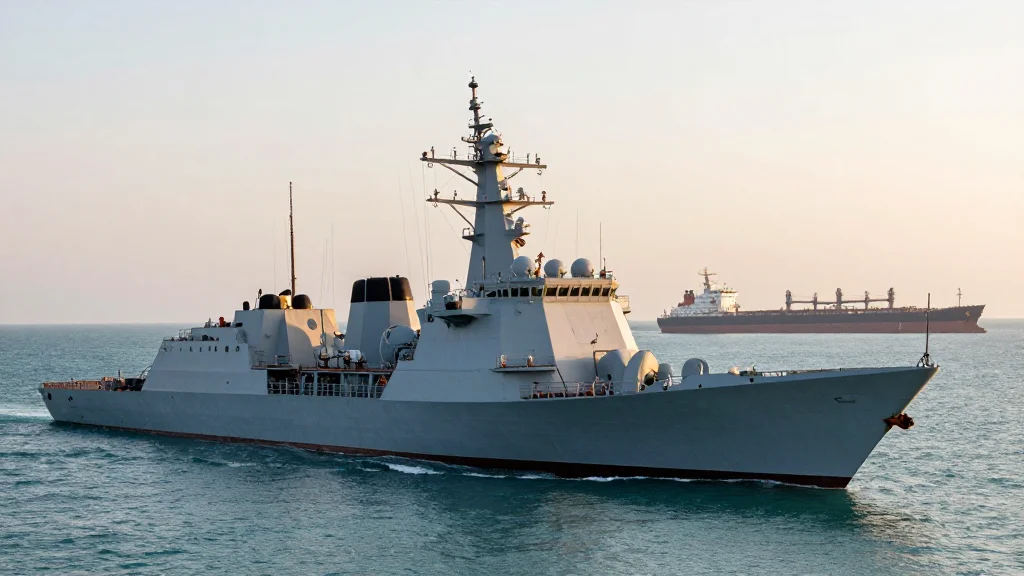
Iran Keeps Strait of Hormuz Shut, Blames U.S. Blockade Amid Rising Oil Prices

Why It Matters
The closure of the Strait of Hormuz threatens to tighten global oil supplies, potentially driving up energy costs for both consumers and defense budgets worldwide. A sustained blockade could force militaries to redeploy assets to protect alternative shipping lanes, stretching naval resources already stretched by operations in the Red Sea and the Indo‑Pacific. Beyond economics, the standoff raises the risk of a miscalculation at sea. Any attempt by the U.S. or its allies to force a reopening could trigger a naval engagement with Iranian forces, escalating a regional dispute into a broader confrontation that would draw in multiple NATO and Gulf Cooperation Council members.
Key Takeaways
- •Iran keeps the Strait of Hormuz closed, accusing the U.S. of a naval blockade.
- •Kenyan Treasury Cabinet Secretary John Mbadi cited fuel stock levels: 138,623 t of petrol (16 days), 207,841 t of diesel (19 days), 150,398 t of jet fuel (49 days).
- •Germany's DAX fell after Iran rejected a second round of peace talks, citing the ongoing blockade.
- •The strait carries roughly 20% of global petroleum trade, making its closure a major economic shock.
- •U.S. diplomatic delegation to Islamabad has not yet resolved the blockade dispute.
Pulse Analysis
The Hormuz impasse illustrates how geopolitical friction can quickly translate into market volatility and strategic recalibration. Historically, the strait has been a flashpoint; the 2019 U.S.‑Iran naval incidents showed how quickly a routine patrol can become a catalyst for broader escalation. This time, the closure is being leveraged by Tehran as a bargaining chip in negotiations over its nuclear program and regional influence, while Washington uses the narrative of a blockade to justify a continued naval presence.
From a defense budgeting perspective, the ripple effects are immediate. Nations that rely heavily on imported oil—particularly in Europe and Asia—may need to allocate additional funds for fuel hedging, increased maritime security patrols, and higher insurance premiums for vessels rerouted around Africa. Those costs will compete with other defense priorities, potentially delaying procurement programs or prompting a shift toward more fuel‑efficient platforms.
Looking ahead, the durability of the blockade will hinge on diplomatic breakthroughs. If the U.S. can secure a credible concession from Iran—perhaps linked to sanctions relief or a freeze on certain missile programs—the strait could reopen, stabilizing markets. Conversely, a protracted stalemate may force the international community to consider coordinated naval operations to ensure freedom of navigation, a step that would raise the stakes for all parties involved.
Iran Keeps Strait of Hormuz Shut, Blames U.S. Blockade Amid Rising Oil Prices
Comments
Want to join the conversation?
Loading comments...