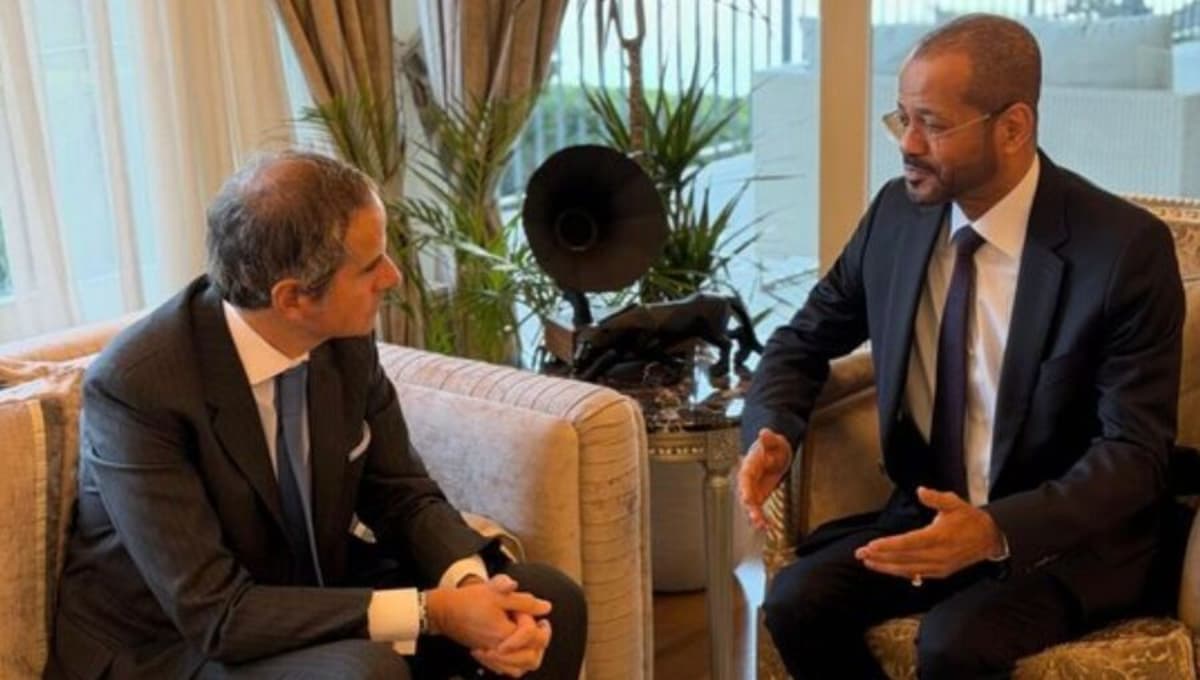
Iran-US Nuclear Talks in Geneva Pause for Break as IAEA Chief Joins Consultations
•February 26, 2026
0
Why It Matters
The pause and swift resumption signal continued momentum in a fragile diplomatic track, while IAEA involvement adds technical credibility that could shape any future agreement.
Key Takeaways
- •Third round of Iran‑US talks paused, resumed same day
- •Oman mediates, calls exchanges creative and positive
- •IAEA Director General Rafael Grossi joins technical consultations
- •Discussions focus on transparency and credibility of Iran’s nuclear file
- •Negotiations aim to revive diplomatic path to nuclear agreement
Pulse Analysis
The Geneva talks represent the latest chapter in a protracted series of diplomatic overtures aimed at resolving the Iran‑U.S. nuclear impasse. Oman’s role as mediator, embodied by Foreign Minister Badr Busaidi, underscores the kingdom’s strategic position as a trusted conduit between Tehran and Washington. By framing the dialogue as "creative and positive," Oman signals a willingness to explore unconventional solutions, a tone that may encourage both sides to move beyond entrenched positions.
The presence of IAEA Director General Rafael Grossi adds a critical layer of technical legitimacy to the negotiations. Grossi’s participation signals that the talks are not merely political but are anchored in the agency’s mandate to verify nuclear compliance and ensure transparency. His focus on "technical issues related to the Iranian nuclear file" suggests that any prospective deal will likely hinge on detailed verification mechanisms, a factor that could reassure skeptical stakeholders about the durability of any agreement.
For the broader regional and global security landscape, the Geneva session carries weight beyond the immediate parties. A credible, technically sound framework could ease European and Gulf concerns, potentially unlocking sanctions relief and fostering economic reintegration for Iran. Simultaneously, the United States may view progress as a diplomatic win that reduces reliance on coercive measures, while also setting a precedent for future non‑proliferation negotiations. The convergence of diplomatic flexibility, Omani mediation, and IAEA expertise thus shapes a nuanced pathway toward a sustainable resolution.
Iran-US nuclear talks in Geneva pause for break as IAEA chief joins consultations
0
Comments
Want to join the conversation?
Loading comments...