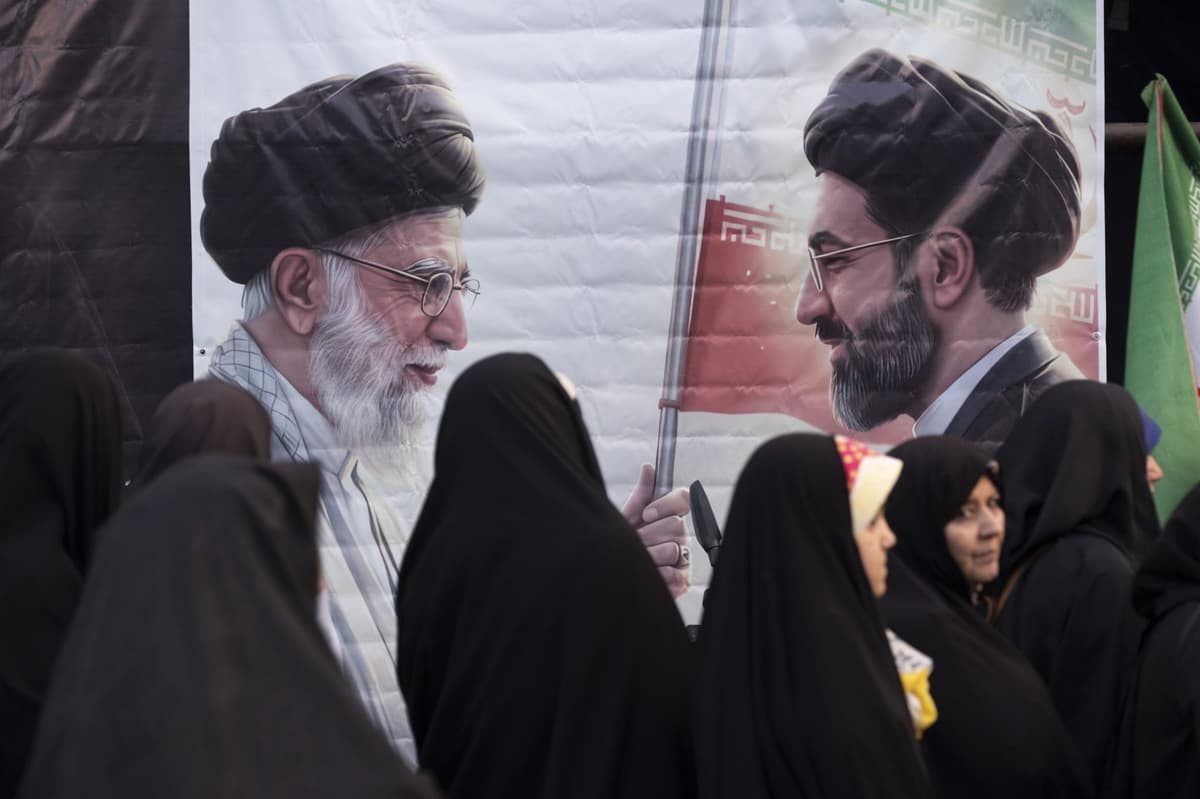
Iranian Supreme Leader Says the only Place Americans Belong in the Gulf Is ‘at the Bottom of Its Waters’
Why It Matters
The threat heightens geopolitical risk in a vital oil corridor, potentially destabilizing global energy prices and supply chains. It also tests the effectiveness of U.S. pressure tactics and diplomatic outreach in curbing Iran’s strategic leverage.
Key Takeaways
- •Khamenei threatens US presence, says Americans belong at Gulf's bottom
- •Iran maintains Strait of Hormuz blockade, charging $2 million per ship
- •Brent crude spikes to $126/barrel amid supply shock
- •Trump proposes diplomatic plan to reopen strait while keeping blockade
- •U.N. reports at least 21 executions since war began
Pulse Analysis
Iran’s fiery declaration by Supreme Leader Ayatollah Mojtaba Khamenei is more than rhetoric; it reinforces Tehran’s strategic narrative that its nuclear and ballistic‑missile capabilities are non‑negotiable assets. By invoking the historic "Great Satan" epithet and promising to defend Iran’s waters, Khamenei signals domestic resolve and attempts to rally nationalist sentiment amid a faltering economy and international isolation. The message also serves as a warning to regional rivals and to the United States, suggesting that any attempt to erode Iran’s deterrent will be met with uncompromising defiance.
The Strait of Hormuz, through which roughly 20% of global oil passes, has become a flashpoint as the U.S. Navy’s blockade restricts Iranian tankers and forces Tehran to levy $2 million tolls on passing vessels. The resulting supply squeeze pushed Brent crude to $126 a barrel, reviving concerns about energy security that have not been seen since the 2014 price surge. Market participants watch closely for any escalation that could further constrict flow, as even brief disruptions can trigger price volatility that ripples through the global economy, affecting everything from gasoline prices to manufacturing input costs.
In response, President Trump is exploring a diplomatic package that would coordinate with Gulf allies to reopen the passage while sustaining economic pressure on Tehran. The approach blends traditional sanctions with a call for multilateral enforcement, aiming to force Iran back to the negotiating table on its nuclear program without resorting to full‑scale conflict. Success hinges on regional cooperation, especially from nations like Saudi Arabia and the UAE, and on whether Tehran perceives the cost of maintaining the chokehold as outweighing its strategic gains. The outcome will shape not only Middle‑East stability but also the broader trajectory of global oil markets and U.S. foreign‑policy credibility.
Iranian supreme leader says the only place Americans belong in the Gulf is ‘at the bottom of its waters’
Comments
Want to join the conversation?
Loading comments...