Iran’s Hormuz Whiplash Highlights Divide Within Regime as U.S. Blockade Tightens. ‘The Fight Between Different Factions Has Started’
Why It Matters
The split between diplomatic and military factions threatens to destabilize a critical global shipping lane, raising oil price volatility and geopolitical risk. Prolonged U.S. blockade and Iranian retaliation could disrupt energy markets and amplify regional tensions.
Key Takeaways
- •IRGC re‑asserted control, contradicting foreign minister’s claim Hormuz open
- •Death of Supreme Leader Khamenei sparked factional infighting within Iran’s regime
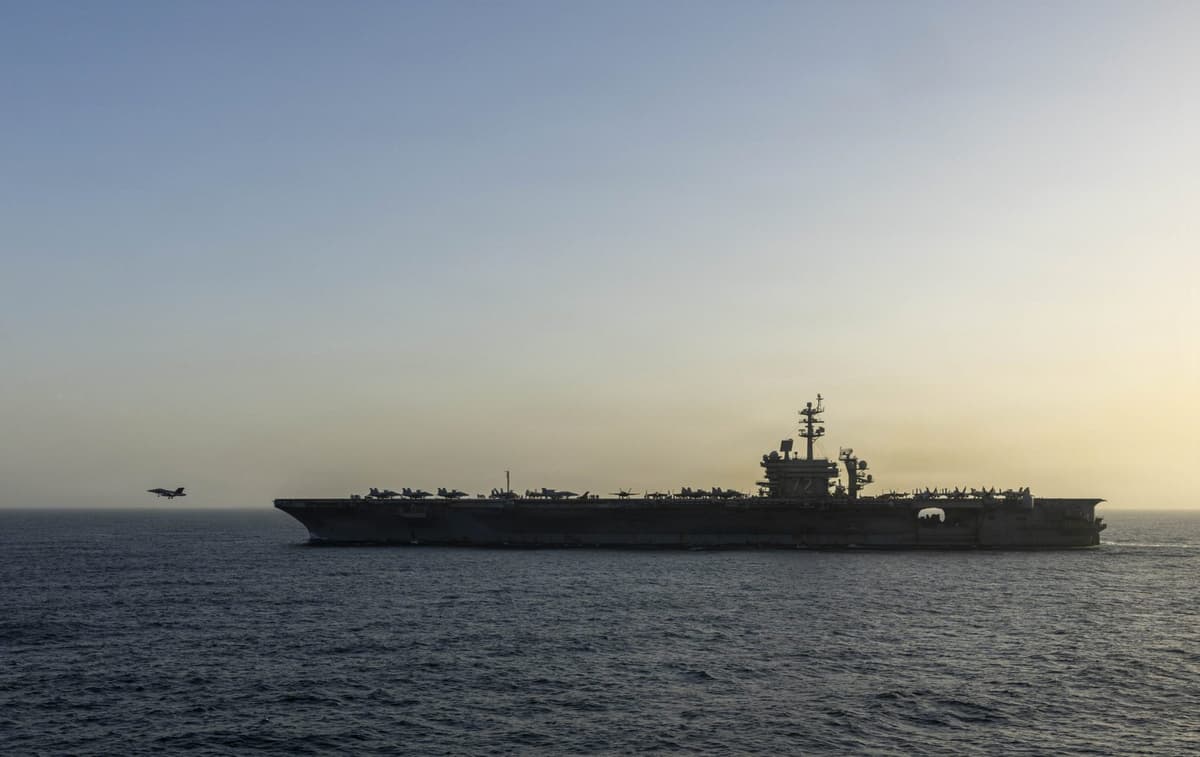
- •U.S. naval blockade remains, targeting Iranian oil tankers and mines
- •Disagreement hampers cease‑fire talks, raising risk of further maritime attacks
Pulse Analysis
The Strait of Hormuz remains one of the world’s most vital chokepoints, funneling roughly 20% of global oil trade. Recent mixed messages from Tehran expose a deepening rift between the diplomatic corps and the IRGC, a split that was accelerated by the death of Supreme Leader Ali Khamenei. This internal discord not only complicates Iran’s negotiating stance but also creates uncertainty for shipping companies that rely on predictable transit schedules.
For investors and market watchers, the U.S. naval blockade adds a tangible layer of risk. By interdicting tankers linked to Iranian oil and clearing mines, the U.S. is effectively throttling a key revenue stream for the IRGC, which funds much of its military expansion. The resulting supply‑side pressure can push Brent crude and WTI prices higher, especially if Iranian vessels are forced to reroute around the Arabian Sea, extending transit times and increasing freight costs.
Looking ahead, the trajectory of the Hormuz saga hinges on whether Iran’s hard‑line factions can dominate policy or if diplomatic channels regain coherence. A prolonged closure or escalation of kinetic attacks would likely trigger broader sanctions and could draw NATO navies into a more active patrol role. Conversely, a negotiated reopening, even under limited terms, would ease market jitters but may embolden Tehran’s regional ambitions. Stakeholders should monitor IRGC statements, U.S. naval movements, and any shifts in Islamabad‑mediated talks for early signals of the next phase.
Iran’s Hormuz whiplash highlights divide within regime as U.S. blockade tightens. ‘The fight between different factions has started’
Comments
Want to join the conversation?
Loading comments...