Iran’s New Ocean Imperium
Why It Matters
Understanding the true origins of maritime law reveals why today’s strategic waterways can be weaponized, directly affecting global trade, energy security, and the credibility of the rules‑based order.
Key Takeaways
- •Iran and U.S. blockades threaten Hormuz shipping lanes
- •Freedom of the seas originated to legitimize Dutch trade wars
- •Grotius' treatise served VOC's monopoly, not open navigation
- •Modern chokepoints echo 17th‑century imperial competition for spices
- •Legal debates will shape future maritime security and trade routes
Pulse Analysis
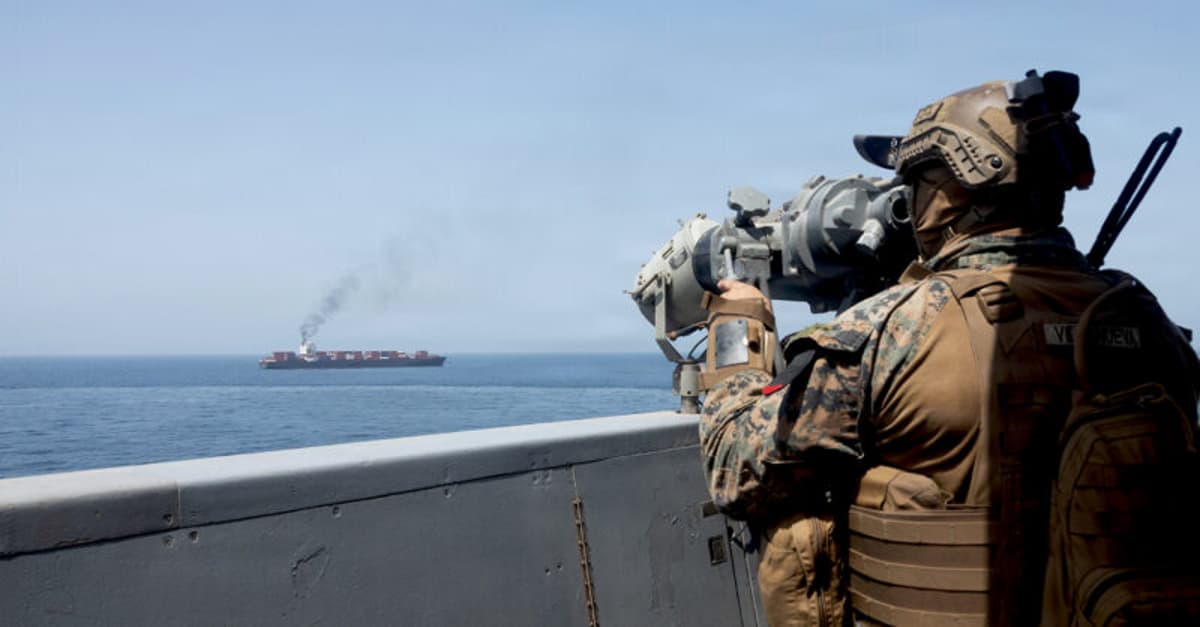
The Strait of Hormuz, through which roughly 20% of global oil passes, has become a flashpoint as Iran and the United States clash over navigation rights. Any disruption reverberates across commodity markets, inflates shipping costs, and forces multinational firms to reroute cargo through longer, riskier passages. Policymakers therefore watch the legal language of "freedom of the seas" not as an abstract principle but as a lever that can legitimize or condemn blockades, sanctions, and naval deployments in a region where energy flows underpin the world economy.
The doctrine of maritime liberty traces back to Hugo Grotius' 1609 *Mare Liberum*, commissioned by the Dutch East India Company to defend a raid on a Portuguese carrack. Far from a humanitarian ideal, the treatise rationalized the VOC's quest for a spice monopoly, embedding the notion that nations could wage war to keep trade routes open for profit. Subsequent powers—Portugal, England, and later colonial empires—mirrored this pattern, converting legal rhetoric into exclusive control of chokepoints such as the Strait of Malacca and the Bab el‑Mandeb. The historical irony is stark: a principle meant to prevent enclosure was used to justify enclosure.
Today, the legacy of those early imperial contests challenges the post‑World‑II rules‑based order. As emerging powers and regional actors contest U.S. naval dominance, the interpretation of "freedom of navigation" will shape future maritime governance. Scholars suggest a re‑imagined framework that blends historic hospitality traditions with modern security needs, ensuring that sea lanes serve commerce rather than become arenas for geopolitical brinkmanship. Nations that can reconcile legal precedent with contemporary strategic realities will help preserve open oceans while mitigating the risk of a new era of maritime conflict.
Iran’s new ocean imperium
Comments
Want to join the conversation?
Loading comments...