Iran’s Trade with Tajikistan Experiences Q1 Spike
Why It Matters
The trade upswing could provide Iran with critical supplies and technology for its war effort while exposing Tajikistan to sanctions risk, reshaping regional supply‑chain dynamics. Monitoring these flows is essential for policymakers assessing sanction evasion in Central Asia.
Key Takeaways
- •Q1 2026 Iran‑Tajik trade rose 50% YoY to $120 million.
- •Tajik exports to Iran just over $24 million in Q1 2026.
- •Analysts suspect dual‑use goods, possibly drone components, behind surge.
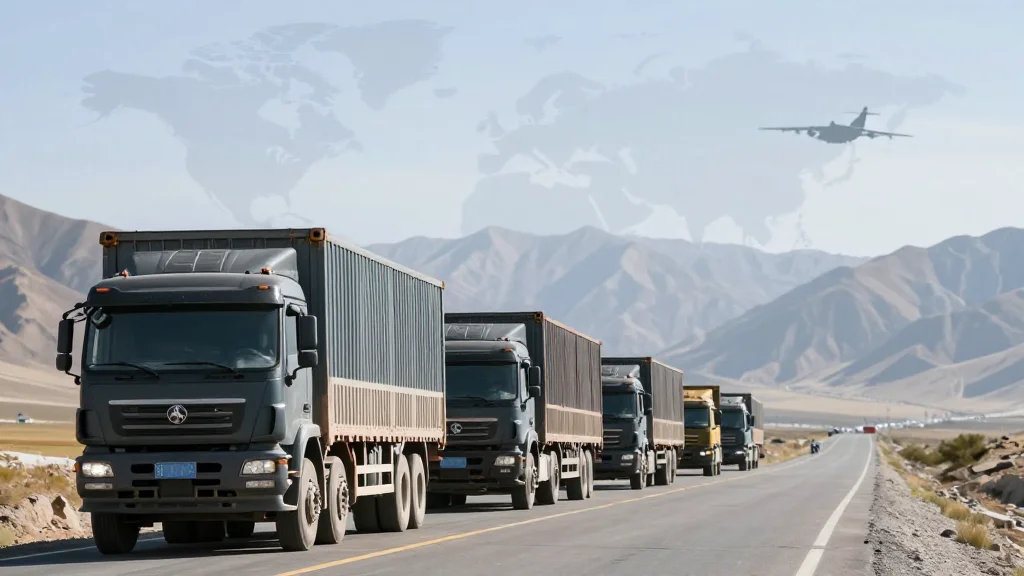
- •110‑truck convoy delivered 3,600 tons of aid from Tajikistan to Iran.
- •Iran opened a drone plant in Tajikistan in 2022, operational status unclear.
Pulse Analysis
The first quarter of 2026 saw Iran‑Tajik trade surge by half, lifting total turnover to roughly $120 million. This spike comes at a volatile moment, coinciding with the US‑Israeli‑Iran conflict that has strained traditional supply routes for Tehran. Tajikistan’s modest export contribution—just over $24 million—suggests the bulk of the increase stems from imports, likely driven by Iran’s urgent need for food, medicine, and possibly strategic inputs that are hard to source elsewhere due to sanctions.
Beyond the headline numbers, analysts are probing the nature of the goods crossing the border. A 2022‑established drone‑manufacturing facility in Tajikistan raises the prospect that dual‑use components—electronics, composite materials, or propulsion parts—are flowing under the guise of humanitarian aid. The recent dispatch of a 110‑truck convoy carrying more than 3,600 tons of assistance could serve both genuine relief and concealment purposes, echoing how Russia leveraged Central Asian corridors after its 2022 invasion of Ukraine to sidestep Western restrictions. Such patterns underscore the strategic value of land routes that bypass maritime monitoring.
For policymakers and compliance officers, the Iranian‑Tajik trade surge signals a potential new conduit for sanction evasion in Central Asia. If dual‑use items are indeed being transferred, both Tehran and Dushanbe could face heightened scrutiny from the U.S. Treasury and allied financial watchdogs. The episode also highlights the broader geopolitical ripple effect: smaller states with cultural ties to Iran may become inadvertent participants in a larger supply‑chain reshuffle, prompting a reassessment of regional risk frameworks and the need for more granular customs intelligence.
Iran’s trade with Tajikistan experiences Q1 spike
Comments
Want to join the conversation?
Loading comments...