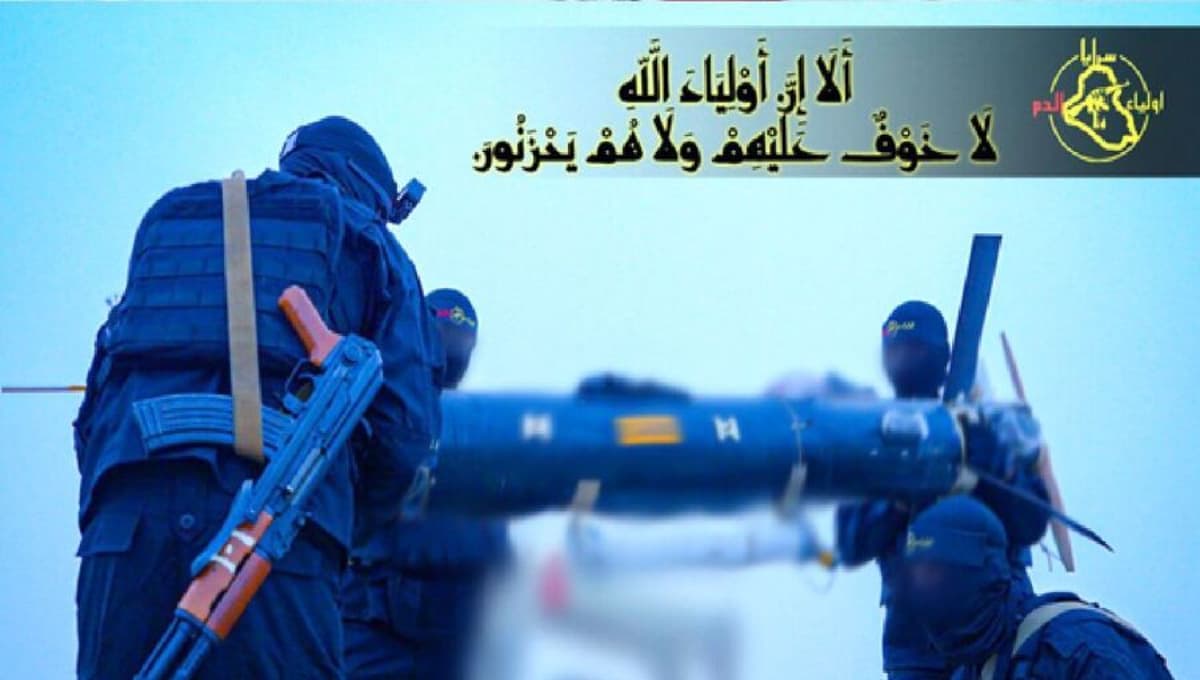
Iraqi Shi'ite Militia Group Declares All US Bases ‘Legitimate Targets’
•February 28, 2026
0
Why It Matters
The pledge signals a possible escalation of proxy warfare, threatening U.S. force protection and regional stability. It could force Washington to reassess its Middle East footprint and diplomatic strategies.
Key Takeaways
- •Militia vows attacks on all US bases
- •Alignment with Iran intensifies regional proxy war
- •US troop presence in Iraq exceeds several thousand
- •UN emergency session underscores global security concerns
- •Potential retaliation could disrupt Middle East energy flows
Pulse Analysis
The statement from Saraya Awliya al‑Dam marks the latest escalation in a pattern that has seen Iran‑aligned militias in Iraq increasingly act as extensions of Tehran’s strategic agenda. Since the 2003 invasion, these groups have oscillated between political participation and armed confrontation, but the current pledge to target any U.S. base pushes them into outright offensive territory. The timing coincides with a series of Iranian operations—closing the Strait of Hormuz, striking the Fifth Fleet headquarters in Bahrain, and launching missiles across the Gulf—demonstrating a coordinated campaign to pressure Western forces.
For Washington, the declaration forces a reassessment of force protection protocols and contingency planning across more than 2,000 American personnel stationed in Iraq. The U.S. military may need to increase base hardening, adjust rules of engagement, and consider pre‑emptive measures to deter attacks, all while balancing diplomatic outreach to the Iraqi government. Simultaneously, the broader coalition of NATO allies monitoring the situation must weigh the risk of spillover into neighboring countries, where American installations already face heightened alert levels. Additional intelligence sharing with regional partners could further mitigate the threat and preserve operational continuity.
The broader strategic fallout could reverberate through global energy markets, as any disruption to Gulf shipping lanes or heightened instability may tighten oil supplies and elevate prices. Moreover, the United Nations’ emergency session underscores the international community’s alarm, yet concrete collective action remains limited, leaving regional actors to navigate a volatile security environment largely on their own. In the medium term, policymakers in Washington and Tehran will likely calibrate their calculations, weighing the costs of direct confrontation against the perceived benefits of proxy leverage. Investors will watch the situation closely, as heightened risk premiums may affect emerging‑market equities.
Iraqi Shi'ite militia group declares all US bases ‘legitimate targets’
0
Comments
Want to join the conversation?
Loading comments...