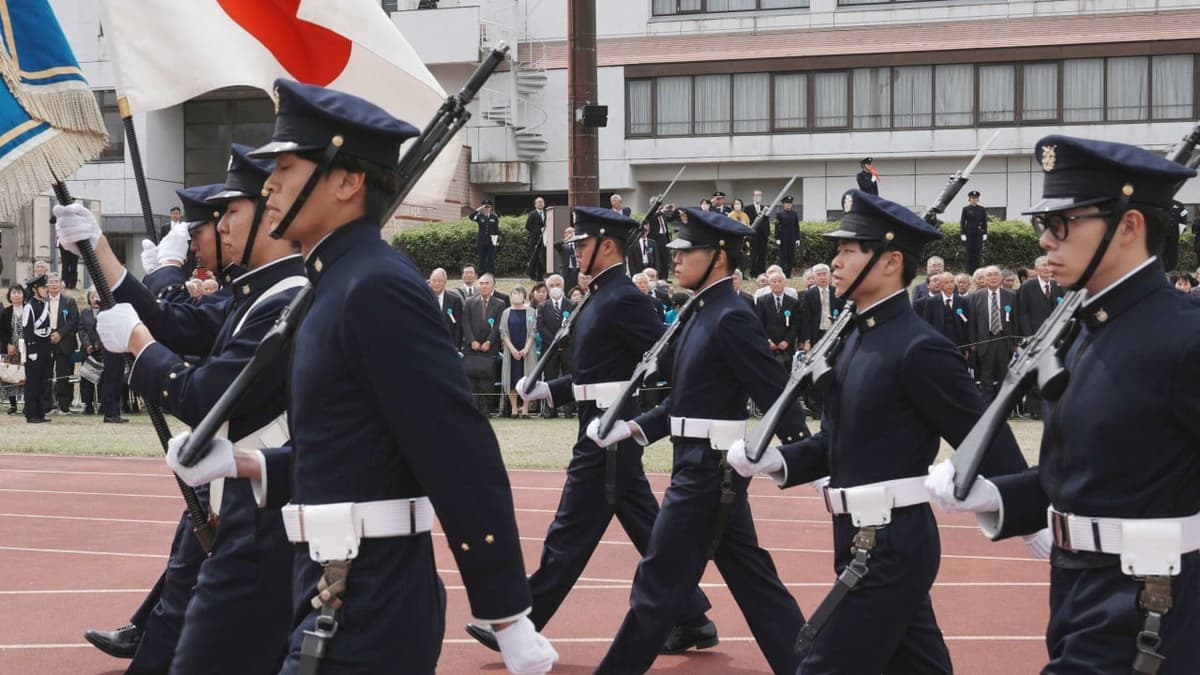
Japan Remains Most Trusted Power in Southeast Asia Despite Military Build-Up: Survey
Why It Matters
Japan’s growing military profile, coupled with high regional trust, positions it as a pivotal security partner and economic influencer in Southeast Asia, shaping investment and diplomatic calculations.
Key Takeaways
- •65.6% of ASEAN respondents trust Japan, highest in region
- •Japan aims to raise defense spending to 2% of GDP by 2027
- •Prime Minister Sanae Takaichi targets constitutional amendment within one year
- •Japan's aid totals US$128 billion, bolstering regional goodwill
- •Regional leaders see Japan as a counterweight to China’s influence
Pulse Analysis
The latest ISEAS‑Yusof Ishak Institute poll underscores Japan’s soft‑power advantage in Southeast Asia, where 65.6% of respondents expressed confidence in Tokyo’s role. Decades of development aid, disaster relief, and maritime cooperation have reshaped perceptions that once cast Japan as a post‑war pariah. This deep‑rooted goodwill provides a foundation for Japan to pursue a more assertive security posture without immediate backlash, a dynamic that policymakers and investors are watching closely.
Tokyo’s push to amend Article 9 and double defense spending to 2% of GDP by 2027 reflects a strategic response to the intensifying US‑China rivalry and instability in the South China Sea. By formalizing the Self‑Defence Forces and acquiring long‑range strike capabilities, Japan aims to become a credible counterweight to China’s growing influence. The move also aligns with the Liberal Democratic Party’s agenda following its landslide election victory, signaling a shift from pure economic diplomacy to a blended security‑economic approach.
For businesses, Japan’s dual trajectory of heightened security engagement and sustained economic outreach creates both opportunities and risks. Companies in defense, infrastructure, and technology can tap into new procurement channels, while firms reliant on stable supply chains must monitor how Japan’s expanded military role may affect regional geopolitics. Transparency about Japan’s security intentions will be crucial; ambiguous messaging could invite uncertainty, prompting regional actors to fill the narrative gap. Stakeholders should therefore track policy developments and diplomatic signals to gauge the long‑term impact on market stability and investment climate.
Japan remains most trusted power in Southeast Asia despite military build-up: survey
Comments
Want to join the conversation?
Loading comments...