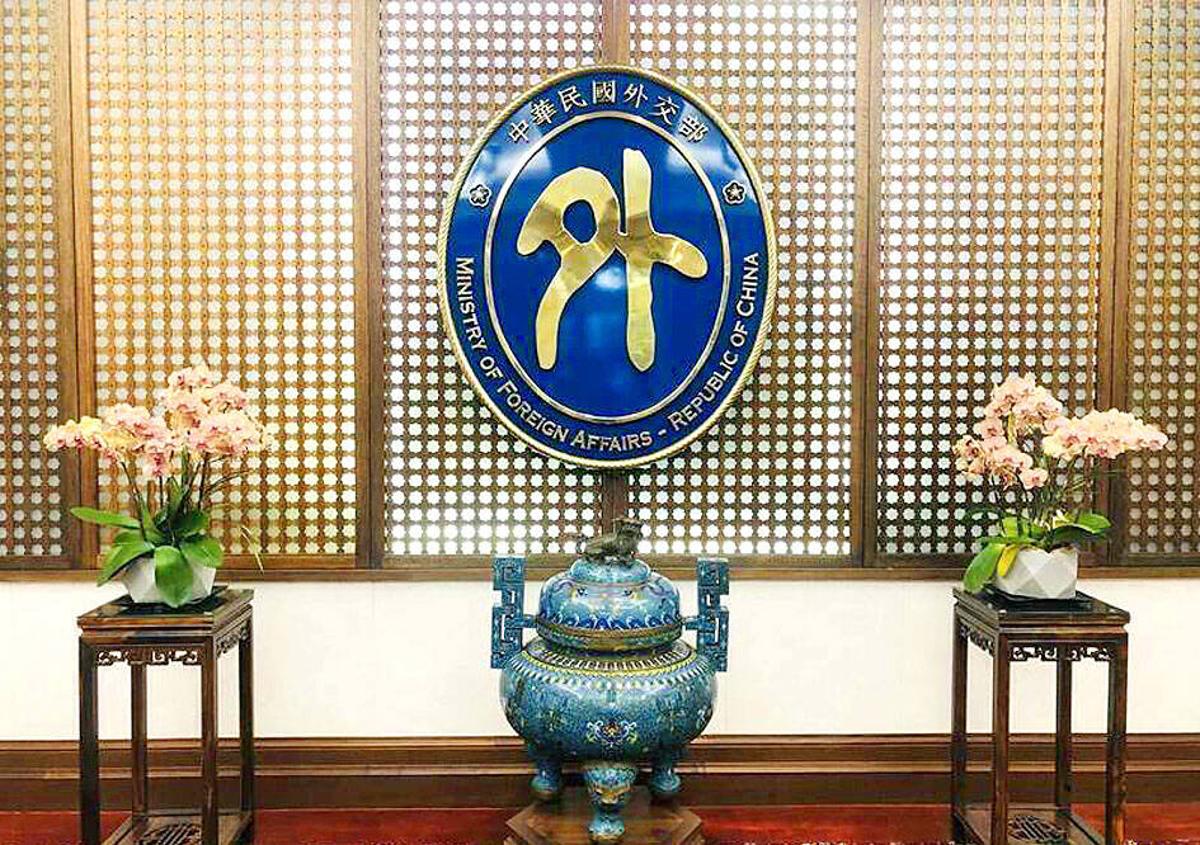
MOFA Speaks Out About Threats in China-US Call
Why It Matters
The episode signals heightened China‑Taiwan tensions that could disrupt regional stability and affect U.S. strategic calculations, impacting investors and businesses operating in East Asia.
Key Takeaways
- •Taiwan's MOFA condemns Chinese threats after US‑China diplomatic call
- •US‑China summit likely to focus on Taiwan, arms sales
- •China pressured African nations, forcing Taiwan president's Eswatini visit postponement
- •Wang Yi urged US to choose wisely on Taiwan stability
- •Taiwan warns escalation could destabilize regional security
Pulse Analysis
The latest diplomatic exchange between China’s foreign minister Wang Yi and U.S. Secretary of State Marco Rubio has drawn sharp rebuke from Taiwan’s Ministry of Foreign Affairs. MOFA’s statement frames Beijing’s remarks as unilateral threats that undermine the delicate status‑quo across the Taiwan Strait. By issuing a public warning just days before the Trump‑Xi summit, China appears to be testing the limits of U.S. commitment to Taiwan while signaling to allies that any deviation from the "one‑China" line will meet coordinated pushback.
Taiwan’s concerns extend beyond rhetoric to concrete actions that have already disrupted its diplomatic outreach. The forced postponement of President William Lai’s planned trip to Eswatini—Taiwan’s sole African ally—illustrates Beijing’s capacity to leverage influence over third‑party nations, compelling them to deny overflight rights. This tactic not only isolates Taiwan internationally but also raises the stakes for any U.S. arms‑sale discussions that could further provoke Beijing. Analysts warn that such pressure could destabilize regional security, prompting neighboring economies to reassess supply‑chain dependencies and risk exposure.
For businesses and investors, the unfolding scenario adds a layer of geopolitical risk to market calculations. The upcoming summit could either de‑escalate tensions through diplomatic concessions or entrench hardline positions, influencing everything from semiconductor supply chains to defense contracts. Companies with exposure to East Asian markets should monitor the summit’s outcomes closely, as any shift in U.S. policy toward Taiwan or heightened Chinese assertiveness could reshape trade flows, regulatory environments, and investment sentiment across the broader Indo‑Pacific region.
MOFA speaks out about threats in China-US call
Comments
Want to join the conversation?
Loading comments...