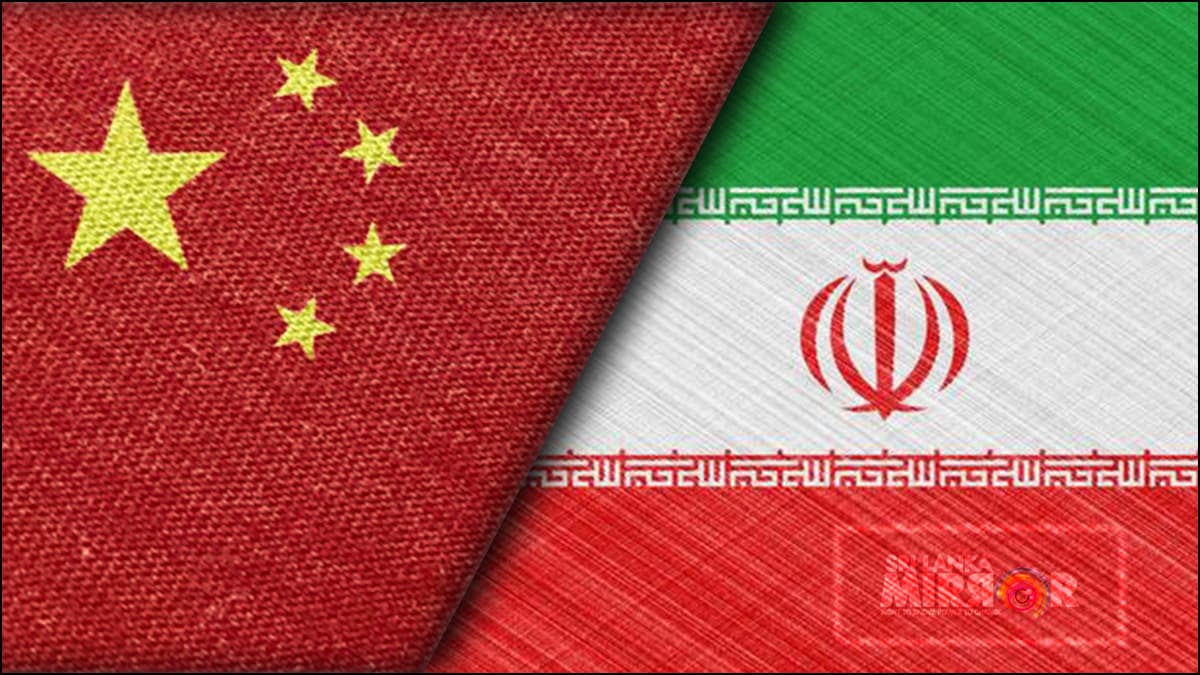
Muted Iran War Stance Fits Concerned Onlooker China’s Priorities
•March 6, 2026
0
Why It Matters
The muted reaction reveals Beijing’s limits in influencing Middle‑East security and its priority to safeguard energy routes and trade without committing to costly military involvement. This calculus will shape China’s diplomatic posture in upcoming US‑China negotiations and its broader regional strategy.
Key Takeaways
- •China opposes regime‑change interventions, limiting its response
- •Beijing offers limited, transactional support to Iran, avoiding security guarantees
- •US‑Israeli strikes threaten China’s energy routes and Gulf trade
- •China focuses on intelligence gathering, not battlefield involvement
- •Regional instability tests China’s ‘concerned onlooker’ diplomatic stance
Pulse Analysis
China’s muted reaction to the US‑Israeli strike on Iran reflects a long‑standing doctrinal aversion to external regime‑change operations. By joining Moscow in calling for a UN Security Council session and labeling the attacks “unacceptable,” Beijing signaled political disapproval while simultaneously urging its citizens to evacuate. The emphasis on emergency preparedness and diplomatic protest, rather than concrete mediation, underscores a priority on safeguarding Chinese nationals and preventing escalation that could spill over into its own strategic interests. Such a calibrated posture also signals to Washington that Beijing will not be drawn into a proxy war.
Beyond rhetoric, the China‑Iran partnership remains largely transactional. Beijing supplies selective dual‑use technology—air‑defence kits, drones and surveillance assets—but stops short of formal security guarantees. Iranian oil is a convenient, yet replaceable, component of China’s energy mix, while Belt and Road investments flow preferentially to Gulf monarchies such as Saudi Arabia and the UAE. This asymmetry means Beijing can tolerate Iranian instability without jeopardising core economic objectives, opting instead for intelligence collection via satellites and regional monitoring rather than direct military involvement. The intelligence gathered supports Beijing’s long‑term Indo‑Pacific strategy, informing naval deployments and maritime security planning.
The broader strategic environment amplifies Beijing’s caution. US operations—from the strike on Iran to raids in Venezuela—stretch American power across multiple theatres, pressuring China’s allies in Pakistan, Afghanistan and the Gulf. As the US‑China summit approaches, Beijing will likely frame its stance as a call for restraint, leveraging the conflict to highlight the risks of unilateral intervention while protecting its trade routes through the Strait of Hormuz. In this calculus, limited, deniable support for Tehran preserves flexibility, ensuring China remains a “concerned onlooker” rather than a combatant. If Tehran’s regime collapses, Beijing is prepared to engage pragmatically with any successor to safeguard its commercial corridors.
Muted Iran war stance fits concerned onlooker China’s priorities
0
Comments
Want to join the conversation?
Loading comments...