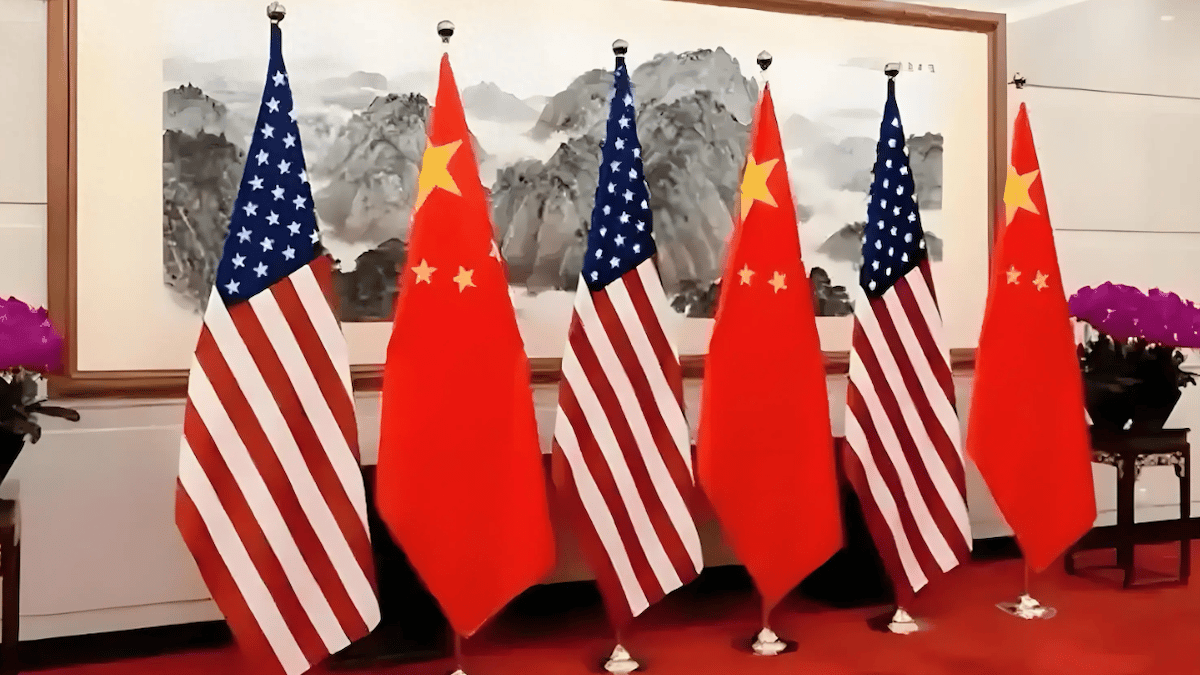
New Trump Sanctions on Chinese Firms: Leverage on Xi or Overkill?
Companies Mentioned
Why It Matters
The sanctions demonstrate Washington’s strategy of leveraging economic pressure on Beijing ahead of high‑level talks, while risking further erosion of U.S.–China trust and influencing trade negotiations and domestic political calculations.
Key Takeaways
- •OFAC sanctioned 10 Chinese/Hong Kong firms for Iran weapons support.
- •Targets include carbon‑fiber suppliers, procurement agents, financiers, and satellite‑imagery firms.
- •Sanctions broaden US pressure from Iranian oil to missile‑related supply chains.
- •Timing coincides with Trump’s first presidential visit to China in nine years.
- •Potential impact on upcoming US‑China trade package and midterm election dynamics.
Pulse Analysis
The latest round of sanctions marks a notable escalation in Washington’s campaign against Iran’s military procurement network. By naming Chinese‑linked firms that provided aerospace‑grade carbon fiber, honeycomb fabric, and satellite imagery, the Treasury signals that the U.S. will target not only the financial lifelines of Tehran’s oil exports but also the technical supply chain that fuels its unmanned aerial vehicles and ballistic missiles. This broader scope reflects an effort to choke off critical components before they reach Iranian factories, a tactic that could force Tehran to seek alternative sources or slow its weapons development.
The timing of the sanctions is equally strategic, arriving just before President Trump’s historic visit to Beijing. By imposing punitive measures on Chinese entities, the administration hopes to extract concessions from President Xi on a range of contentious issues, from trade imbalances to security concerns in the Indo‑Pacific. However, analysts warn that such brinkmanship may backfire, prompting Beijing to double down on legal counter‑measures and further entrench its stance on Iran. The diplomatic fallout could spill over into the proposed Board of Trade mechanism, jeopardizing negotiations on U.S. agricultural imports, Boeing aircraft sales, and energy deals that are crucial for both economies and for Republican electoral calculations.
Beyond the bilateral fray, the sanctions intersect with a shifting Middle‑East security architecture in which China positions itself as a neutral broker. Recent high‑level meetings between Chinese and Iranian officials underscore Beijing’s willingness to facilitate logistics, such as rail shipments that bypass U.S. naval blockades. As Washington tightens its economic leash on Iran’s weapons network, it must also contend with China’s growing diplomatic clout and its own ambitions to reshape regional security. The outcome of Trump’s summit will likely set the tone for how effectively the U.S. can balance punitive actions with the need for cooperative engagement in a complex geopolitical landscape.
New Trump sanctions on Chinese firms: leverage on Xi or overkill?
Comments
Want to join the conversation?
Loading comments...