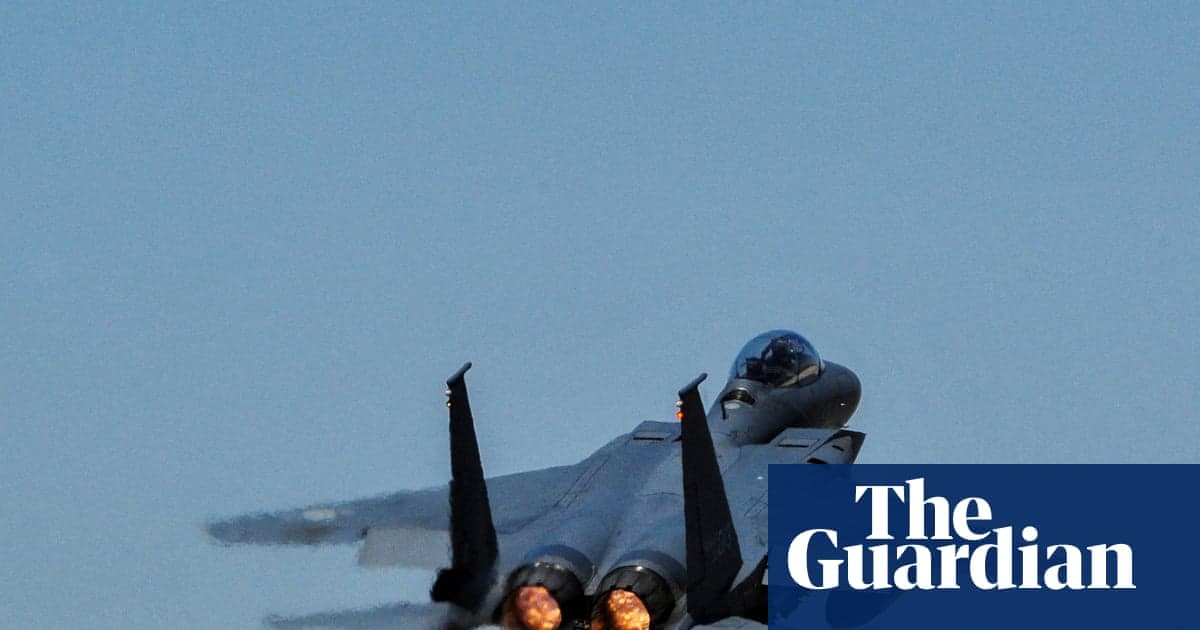
Pilot’s Selfie Led to Mid-Air Collision in F-15K Fighter Jet, Says South Korea’s Air Force
Companies Mentioned
Why It Matters
The incident exposes how personal media activities can jeopardize operational safety, prompting tighter regulations that affect all military aviation units worldwide.
Key Takeaways
- •Wingman’s selfie maneuver caused F-15K collision near Daegu
- •Collision damage estimated at 880 million won (~$600k)
- •Pilot ordered to repay roughly $60,000, a tenth of costs
- •Air force will tighten in‑flight filming regulations
- •Incident highlights risks of non‑mission video recording in military ops
Pulse Analysis
The 2021 F‑15K collision off Daegu underscores a growing tension between modern pilots’ desire to capture personal content and the uncompromising safety standards of military aviation. While the wingman’s intent was to document his final sortie, the unsanctioned climb and banking maneuver disrupted formation integrity, leading to a tail‑strike that cost the air force roughly $600,000 in repairs. The subsequent audit by South Korea’s Board of Audit and Inspection not only assigned primary blame to the pilot but also revealed systemic laxity in monitoring in‑flight recording practices, prompting a public apology and a repayment order of about $60,000.
Globally, armed forces are grappling with the proliferation of lightweight cameras and smartphones that make covert recording technically trivial. The South Korean case serves as a cautionary tale, illustrating how even a single unauthorized maneuver can cascade into costly equipment damage and jeopardize mission readiness. In response, the Republic of Korea Air Force announced a comprehensive review of its flight‑operation protocols, including mandatory clearance for any in‑air filming, stricter disciplinary measures, and enhanced training on formation discipline. These steps mirror similar policy shifts in the U.S. Air Force and NATO allies, where recent directives have tightened restrictions on personal media use during operational flights.
Beyond immediate safety concerns, the incident has broader implications for defense budgeting and public trust. Repair costs, while modest relative to a fighter jet’s lifecycle expense, highlight how preventable mishaps can erode fiscal efficiency and strain procurement plans. Moreover, the public apology reflects heightened sensitivity to civilian perceptions of military professionalism. As air forces worldwide integrate more sophisticated sensor suites and autonomous systems, the balance between transparency, morale‑boosting content, and uncompromised safety will remain a pivotal challenge for defense leadership.
Pilot’s selfie led to mid-air collision in F-15K fighter jet, says South Korea’s air force
Comments
Want to join the conversation?
Loading comments...