Taiwan’s KMT Offers US an Off-Ramp From War with China
Why It Matters
If the KMT’s outreach gains traction, it could lower the risk of a Taiwan‑China war and reduce the need for direct U.S. military involvement, reshaping regional security calculations.
Key Takeaways
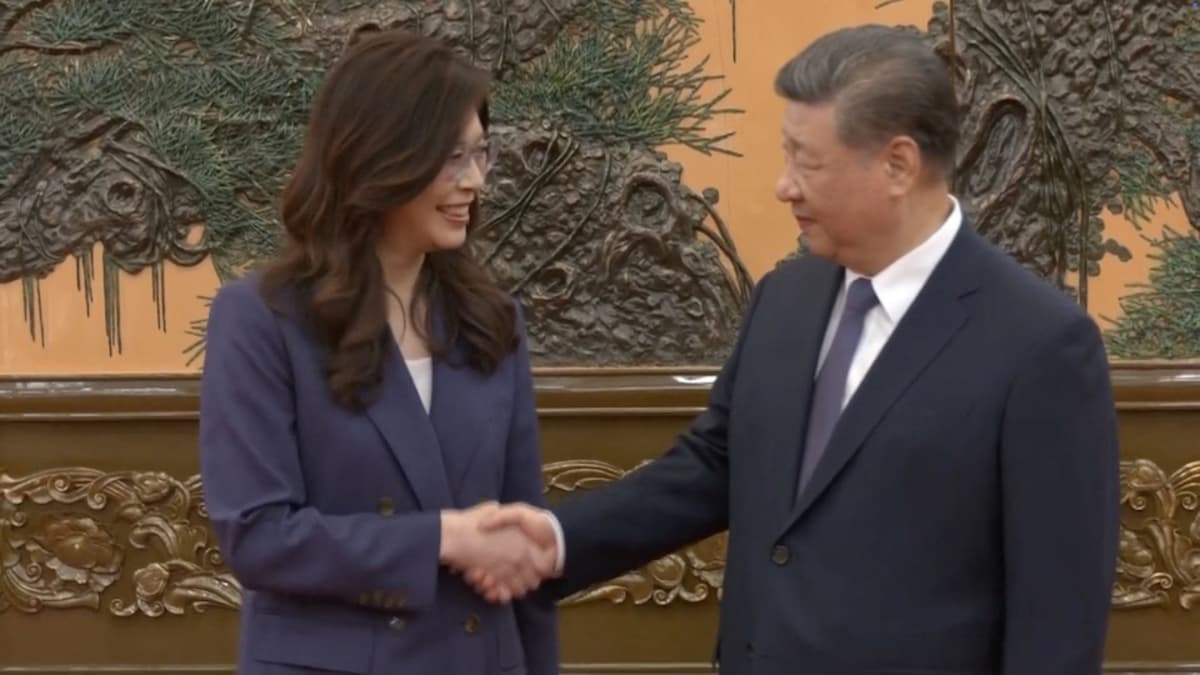
- •KMT leader Cheng Li-wun spent a week in Beijing, met Xi Jinping.
- •Cheng emphasized shared Chinese cultural roots and proposed limited cross‑strait cooperation.
- •U.S. intelligence revised 2027 war timeline after Cheng's diplomatic outreach.
- •Visit challenges U.S. reliance on military deterrence for Taiwan security.
- •Analysts see the trip as an off‑ramp for American involvement.
Pulse Analysis
The Taiwan Strait has long been labeled the world’s most volatile flashpoint, with U.S. analysts once warning of a possible invasion as early as 2027. Since 2005, the Kuomintang (KMT) has maintained a low‑key party‑to‑party dialogue with Beijing, but Cheng Li‑wun’s recent week‑long visit marks the most high‑profile engagement to date. By invoking shared cultural heritage and suggesting pragmatic cooperation, Cheng reframed the narrative from ideological rivalry to mutual interest, a shift that resonates with Washington’s growing fatigue over endless deterrence posturing.
For U.S. policymakers, the visit offers a diplomatic lever that could complement, rather than replace, existing security guarantees. A successful KMT‑China dialogue could lower the probability of miscalculation, allowing the United States to reallocate resources from a costly Taiwan contingency to other strategic priorities in the Indo‑Pacific. However, the approach also carries risks: it may embolden Beijing to press for concessions, and it could alienate Taiwan’s ruling Democratic Progressive Party, potentially destabilizing internal politics. The key will be balancing diplomatic engagement with credible deterrence to ensure any peace overtures are not exploited.
Looking ahead, the KMT’s initiative is still in its infancy, and its impact will hinge on how both Beijing and Taipei respond. If Cheng’s proposals translate into concrete confidence‑building measures—such as joint disaster‑relief drills or trade facilitation—they could pave the way for a broader de‑escalation framework. U.S. officials are likely to monitor the talks closely, weighing the benefits of a reduced conflict risk against the imperative to uphold Taiwan’s democratic autonomy. In the long run, a diplomatic off‑ramp could reshape the strategic calculus of the entire Asia‑Pacific region, offering a template for conflict mitigation beyond Taiwan.
Taiwan’s KMT offers US an off-ramp from war with China
Comments
Want to join the conversation?
Loading comments...