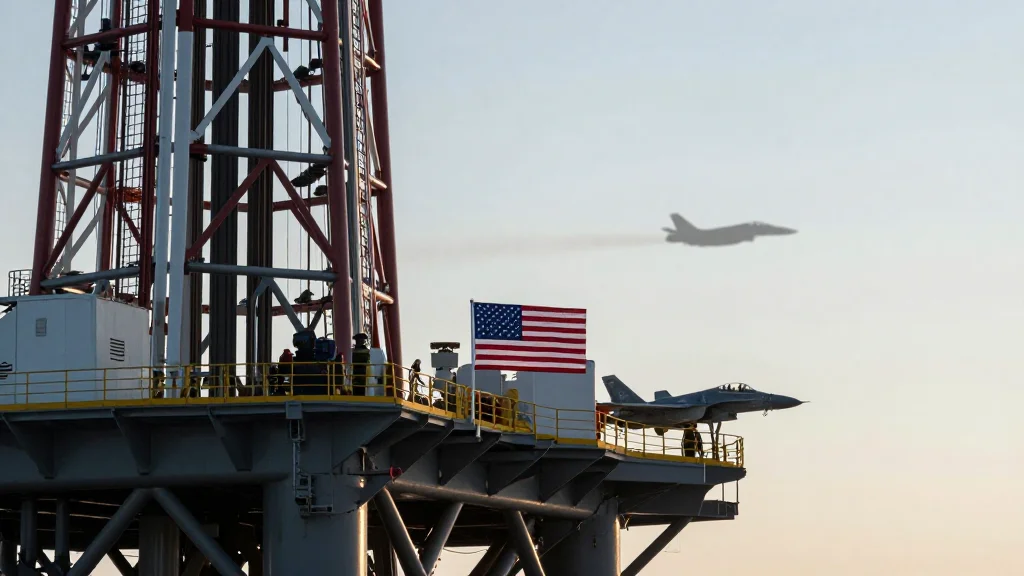
The Real Outcome of the Iran War: America Is Now the World’s Most Secure ...
Companies Mentioned
Why It Matters
Rerouting energy flows and capital to the United States strengthens its geopolitical leverage and reshapes global commodity markets, directly affecting investors and allied economies.
Key Takeaways
- •Trump frames US as safe, domestic fuel source amid Hormuz tensions
- •Oil futures dip to low $70s-$80s as peace prospects improve
- •Nasdaq outperforms gold, signaling markets moving past Iran conflict
- •US pushes higher defense spending to cement Cold War 2.0 posture
- •Investors target US shale and Permian finds as growth bets
Pulse Analysis
The latest flare‑up in the Strait of Hormuz is being framed by the Trump administration as more than a regional skirmish; it is a strategic lever in a broader Cold War 2.0 narrative. By keeping the waterway contested, Washington can portray the United States as the only reliable, domestically sourced energy hub, encouraging investors to shift capital from volatile foreign markets into U.S. equities and dollar‑denominated assets. This geopolitical positioning dovetails with a push for increased defense spending, reinforcing America’s role as a global security guarantor while simultaneously bolstering its domestic energy sector.
Market reaction has been swift. Oil futures have retreated to the low $70s‑$80s range, reflecting optimism that the strait will remain open and supply disruptions will be limited. The Nasdaq’s recent surge past gold underscores a broader investor confidence that the conflict’s worst‑case scenarios are receding. Meanwhile, analysts highlight the Permian Basin’s newly reported 28.3 trillion cubic feet of recoverable gas and 1.6 billion barrels of oil as a catalyst for growth‑oriented portfolios, positioning U.S. shale producers as attractive entry points in a market seeking stable, domestic energy exposure.
Nevertheless, the strategy carries risks. European, Japanese, and South Korean consumers could pivot to Russian or Chinese energy sources if U.S. policies appear overly coercive, potentially eroding the intended market share. Moreover, any renewed closure of the Hormuz corridor would spike oil prices, strain allied economies, and test the resilience of the U.S. narrative. Investors should monitor diplomatic signals, especially any China‑mediated negotiations, and weigh the durability of the current low‑oil‑price environment against the possibility of renewed geopolitical friction.
The real outcome of the Iran war: America is now the world’s most secure ...
Comments
Want to join the conversation?
Loading comments...