The Rise of the “Central” Bloc? How Türkiye and Saudi Arabia May Build a New Third Channel for Global Defence Buyers
•February 17, 2026
0
Why It Matters
The partnership diversifies the global arms market, giving buyers a competitive middle‑ground and reshaping procurement dynamics across regions.
Key Takeaways
- •Turkey and Saudi sign five‑gen fighter agreement
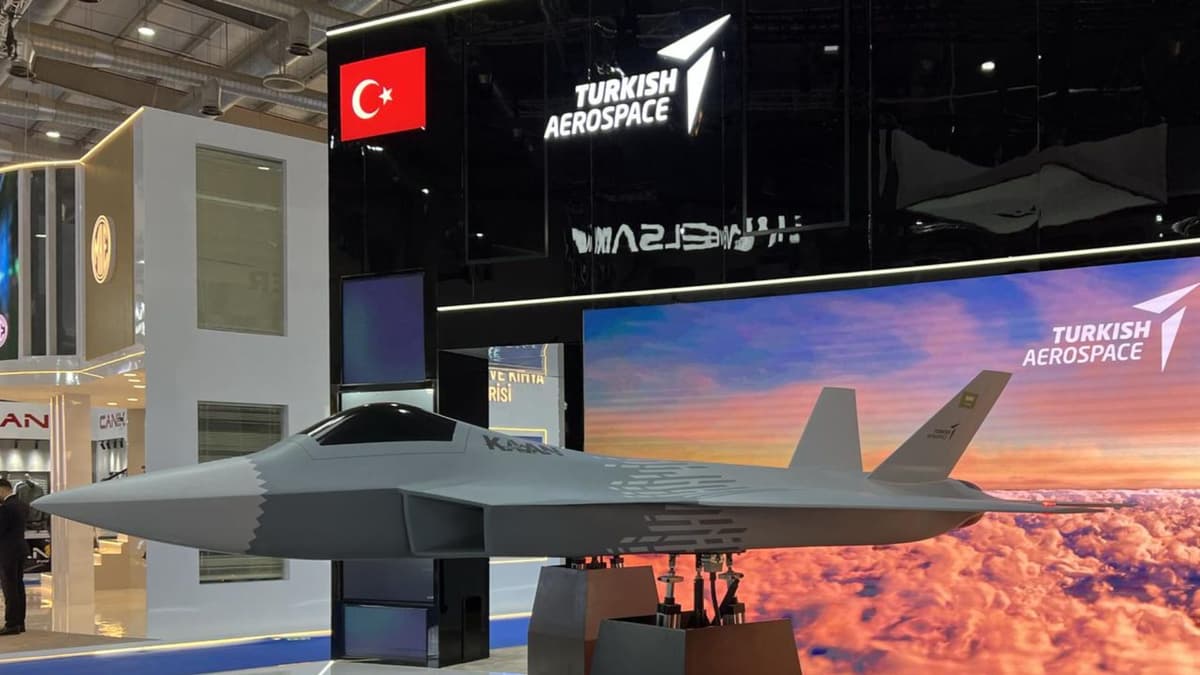
- •Joint KAAN program aims rapid production scaling
- •Utility helicopter deal expands regional maintenance capabilities
- •Unmanned naval platforms target export markets beyond West
- •Creates third defence bloc between West and East
Pulse Analysis
The Turkey‑Saudi defence pact signals a strategic shift in the global arms landscape. By pooling Turkey’s advanced aerospace capabilities with Saudi Arabia’s deep financial resources, the two nations can accelerate development of high‑tech platforms such as the KAAN fifth‑generation fighter. This collaboration reduces reliance on traditional Western exporters, offering a cost‑effective, politically neutral alternative for countries wary of export restrictions or geopolitical pressure.
Beyond the headline fighter program, the agreements encompass a utility helicopter and unmanned naval systems, creating a broader product portfolio. These platforms are designed for export to emerging markets in Africa, Southeast Asia, and Latin America, where buyers often balance performance needs with budget constraints. The joint venture also promises shared R&D, joint production lines, and regional maintenance hubs, which can lower lifecycle costs and improve after‑sales support—key differentiators in a competitive procurement environment.
For the defence industry, the emergence of a “Central” bloc challenges the long‑standing duopoly of Western and Eastern suppliers. It introduces a new competitive axis that could drive price moderation, spur innovation, and diversify supply chains. However, the bloc must navigate technology transfer restrictions, export‑control regimes, and potential pushback from established powers. If managed effectively, Turkey and Saudi Arabia could reshape defence procurement patterns, offering a viable third channel for nations seeking balanced, reliable, and politically flexible armaments solutions.
The Rise of the “Central” Bloc? How Türkiye and Saudi Arabia May Build a New Third Channel for Global Defence Buyers
0
Comments
Want to join the conversation?
Loading comments...