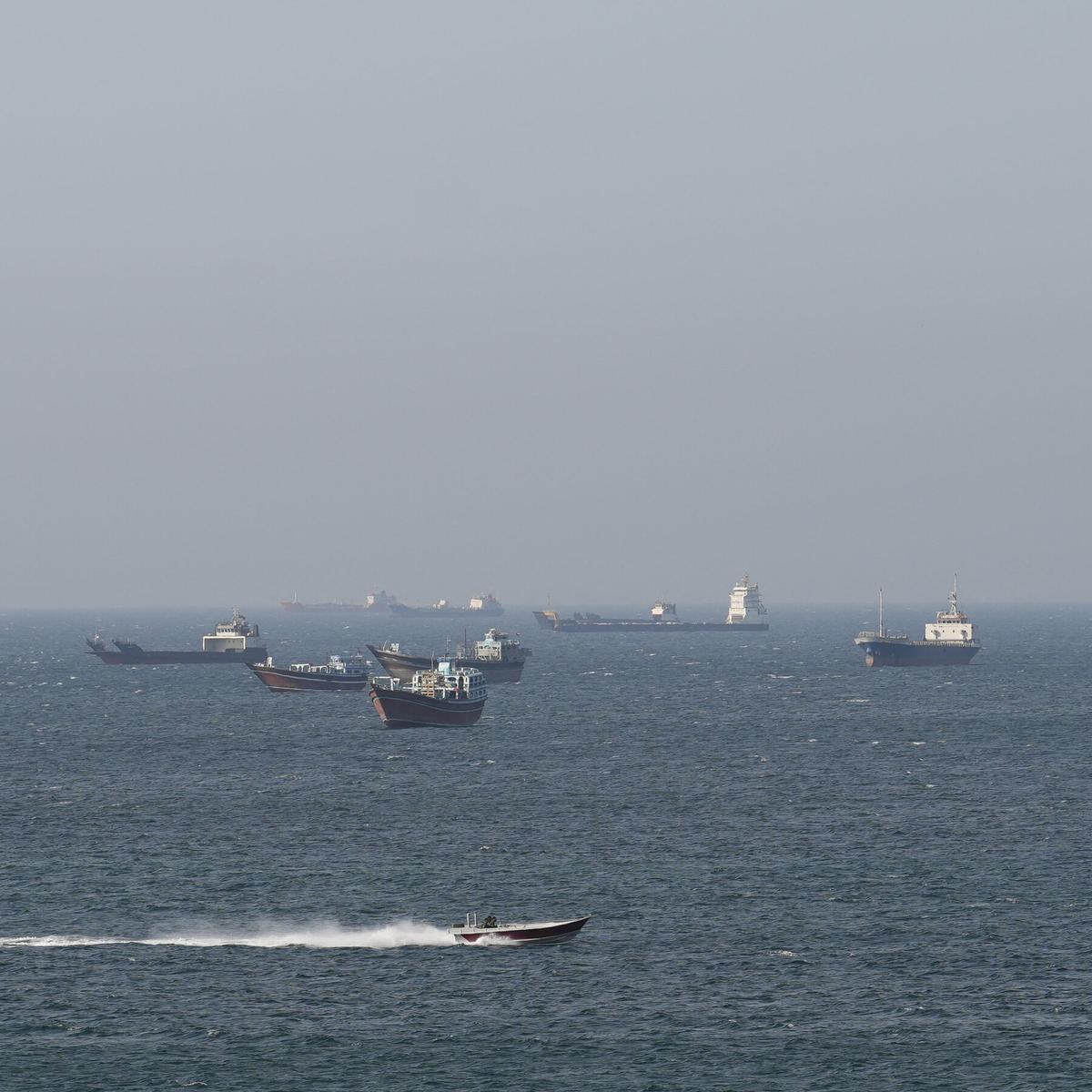
The Touska, the Iranian-Flagged Ship Seized by U.S. Forces, Was Under Sanctions
Why It Matters
The seizure underscores the United States’ willingness to enforce sanctions through direct naval action, raising the stakes for commercial shipping that traverses the volatile Gulf region. It also signals to Iran and its trade partners that evasion attempts will meet decisive force, potentially reshaping maritime logistics and risk assessments.
Key Takeaways
- •U.S. Navy has repelled 27 ships since Hormuz blockade began
- •Iranian cargo vessel Touska seized after evading warnings and firing on propulsion
- •Marines are scanning Touska’s containers for contraband and sanction violations
- •Options include towing to Oman or allowing passage to Iranian port
- •Blockade signals heightened risk for commercial shipping in Gulf region
Pulse Analysis
The United States’ rapid deployment of a naval blockade around the Strait of Hormuz marks a rare escalation in a waterway that handles roughly 20% of global oil shipments. By physically interdicting vessels, Washington moves beyond diplomatic pressure, aiming to curtail Iran’s ability to fund regional proxies and to enforce UN‑mandated sanctions. The operation, led by the guided‑missile destroyer Spruance, demonstrates a blend of kinetic force and signaling, reminding commercial operators that compliance with U.S. directives is now a prerequisite for safe passage.
The Touska incident illustrates how the blockade translates into on‑the‑ground enforcement. After the ship ignored repeated radio warnings, the Spruance disabled its engine room and fired on its propulsion, a measured use of force intended to avoid loss of life while ensuring the vessel could not flee. Marine teams are now conducting a thorough container inspection, searching for prohibited goods, dual‑use technology, or financial sanctions violations. The legal justification rests on the vessel’s Iranian flag and its alleged involvement in sanction‑evasive trade, giving the U.S. a solid footing under existing secondary sanctions regimes.
For the broader shipping industry, the blockade introduces a new layer of operational risk. Companies must now factor potential detentions, rerouting costs, and insurance premium spikes into their logistics models. Regional ports such as Oman may see increased traffic if the U.S. opts to tow seized ships, while Iranian ports could experience reduced throughput as carriers seek alternative routes. The episode also serves as a bellwether for future U.S. maritime policy, suggesting that similar enforcement actions could become a regular tool in geopolitical disputes, compelling traders to reassess risk management strategies across the Middle East.
The Touska, the Iranian-Flagged Ship Seized by U.S. Forces, Was Under Sanctions
Comments
Want to join the conversation?
Loading comments...