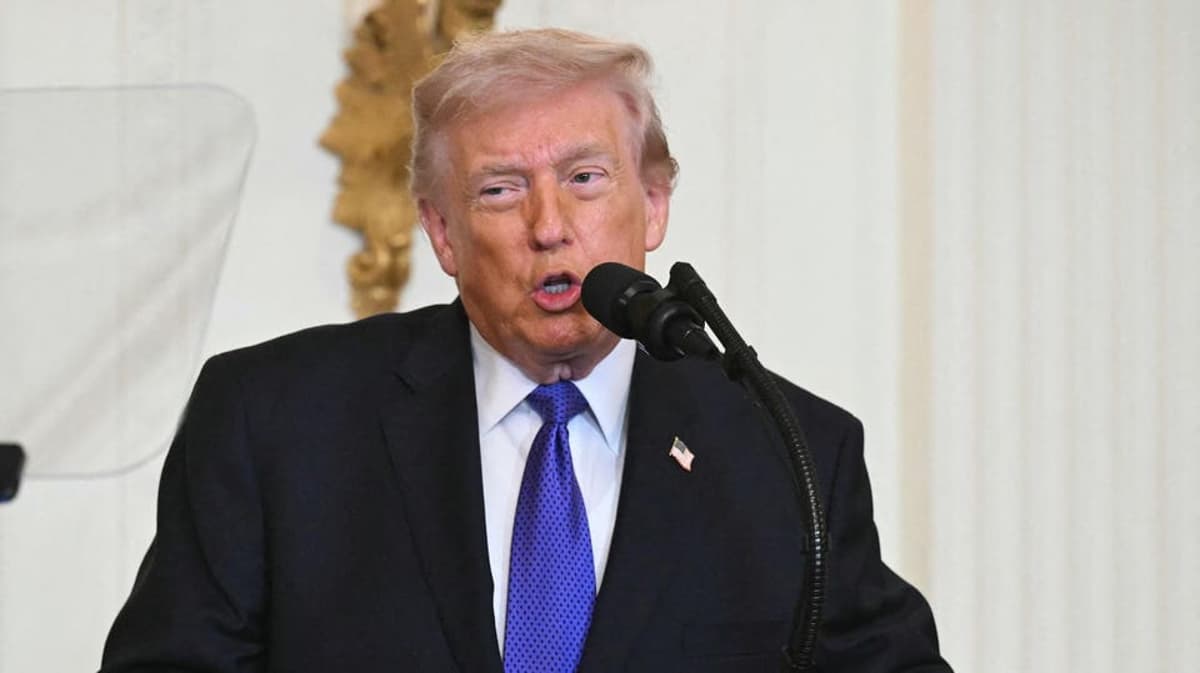
Trump Says Wars Can Be Fought ‘Forever’ With The U.S.’s ‘Virtually Unlimited’ Weapons Stockpiles
•March 3, 2026
0
Why It Matters
The statement tests the credibility of U.S. defense readiness and influences strategic calculations of allies and adversaries, while shaping budgetary priorities for munitions replenishment. It also underscores political friction over defense spending and foreign aid allocations.
Key Takeaways
- •Trump claims U.S. munitions are “virtually unlimited.”
- •Analysts warn interceptor stocks, like THAAD, are depleting.
- •Biden criticized for allegedly diverting resources to Ukraine.
- •Conflict timeline projected at four to five weeks.
- •Stockpile gaps could affect regional missile defense readiness.
Pulse Analysis
Trump’s boast of an endless weapons cache taps into a long‑standing narrative of American military supremacy, but it also serves a political purpose. By positioning the Biden administration as wasteful, he seeks to rally his base around a promise of relentless firepower. The claim arrives at a moment when the Pentagon’s own assessments reveal strain in critical interceptor inventories, a reality that could undermine the very confidence his rhetoric aims to project. Understanding this juxtaposition helps investors and policymakers gauge the true state of U.S. defense capabilities.
Behind the headlines, the Pentagon’s supply chain faces tangible challenges. Reports highlight shortages in THAAD, Patriot, and Standard Missile interceptors—systems essential for countering Iran’s ballistic‑missile and drone threats across the Middle East. These gaps stem from years of production cuts, budget constraints, and the rapid pace of modern warfare technology. As the United States contemplates a potential four‑to‑five‑week operation against Iran, the ability to sustain long‑term missile defense becomes a decisive factor for both operational success and regional stability.
The broader implications extend beyond the immediate conflict. Allies in Europe and the Indo‑Pacific watch U.S. stockpile signals to calibrate their own defense postures, while adversaries may reinterpret the rhetoric as either a deterrent or a bluff. Congressional oversight committees are likely to scrutinize defense appropriations, balancing calls for increased munitions funding against fiscal pressures. Ultimately, the tension between political messaging and logistical reality will shape future procurement strategies, alliance confidence, and the United States’ capacity to project power over extended periods.
Trump Says Wars Can Be Fought ‘Forever’ With The U.S.’s ‘Virtually Unlimited’ Weapons Stockpiles
0
Comments
Want to join the conversation?
Loading comments...