Why It Matters
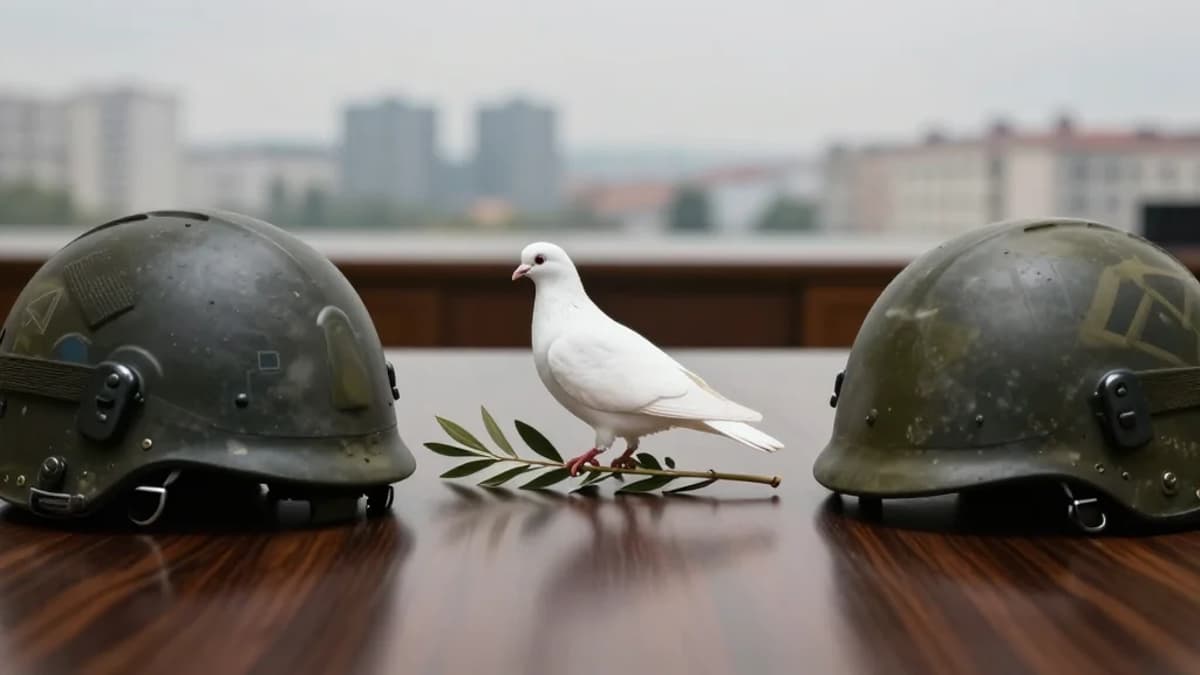
Accepting territorial concessions would alter Ukraine’s sovereignty and set a precedent for future aggression, while rejection prolongs a costly conflict with broader geopolitical stakes.
Key Takeaways
- •US draft peace plan cedes Crimea, Donetsk, Luhansk.
- •Zelensky rejects any loss of Ukrainian territory.
- •Russian forces hold significant ground in south and east.
- •War fatigue drives calls for negotiated settlement.
- •Concessions could reshape European security architecture.
Pulse Analysis
The United States’ latest peace overture signals a shift from unconditional support to a pragmatic, albeit controversial, approach to ending the Russia‑Ukraine war. By proposing de‑facto recognition of Russian control over Crimea, Donetsk, Luhansk and parts of Kherson and Zaporizhzhia, Washington aims to freeze the frontlines and prevent further escalation. This strategy reflects domestic pressure to curb defense spending and a desire to stabilize a region already strained by sanctions, energy disruptions, and refugee flows. Yet the plan challenges the principle of territorial integrity that underpins the post‑Cold War order, raising questions about the credibility of NATO’s security guarantees.
For Kyiv, the proposal presents a stark dilemma. President Zelensky’s refusal to concede any land is rooted in both national identity and the strategic calculus that yielding territory could embolden Moscow to pursue further expansion. Concessions would also complicate Ukraine’s reconstruction efforts, as reclaimed areas are essential for agricultural output and industrial capacity. Moreover, a negotiated settlement that legitimizes Russian annexations could weaken Ukraine’s bargaining power in future diplomatic engagements and undermine the morale of its armed forces, which have relied on the promise of eventual victory.
European allies are watching closely, aware that any settlement will reverberate across the continent’s security architecture. A peace deal that accepts Russian gains may prompt NATO members to reassess forward‑deployed forces and defense postures, potentially leading to a recalibration of collective defense commitments. Conversely, a stalemate that forces Ukraine to fight on could deepen economic strain and prolong humanitarian crises. As policymakers weigh the costs of war against the risks of conceding ground, the outcome will shape not only the future of Ukraine but also the broader balance of power in Europe.
Ukraine Is Losing the War
0
Comments
Want to join the conversation?
Loading comments...