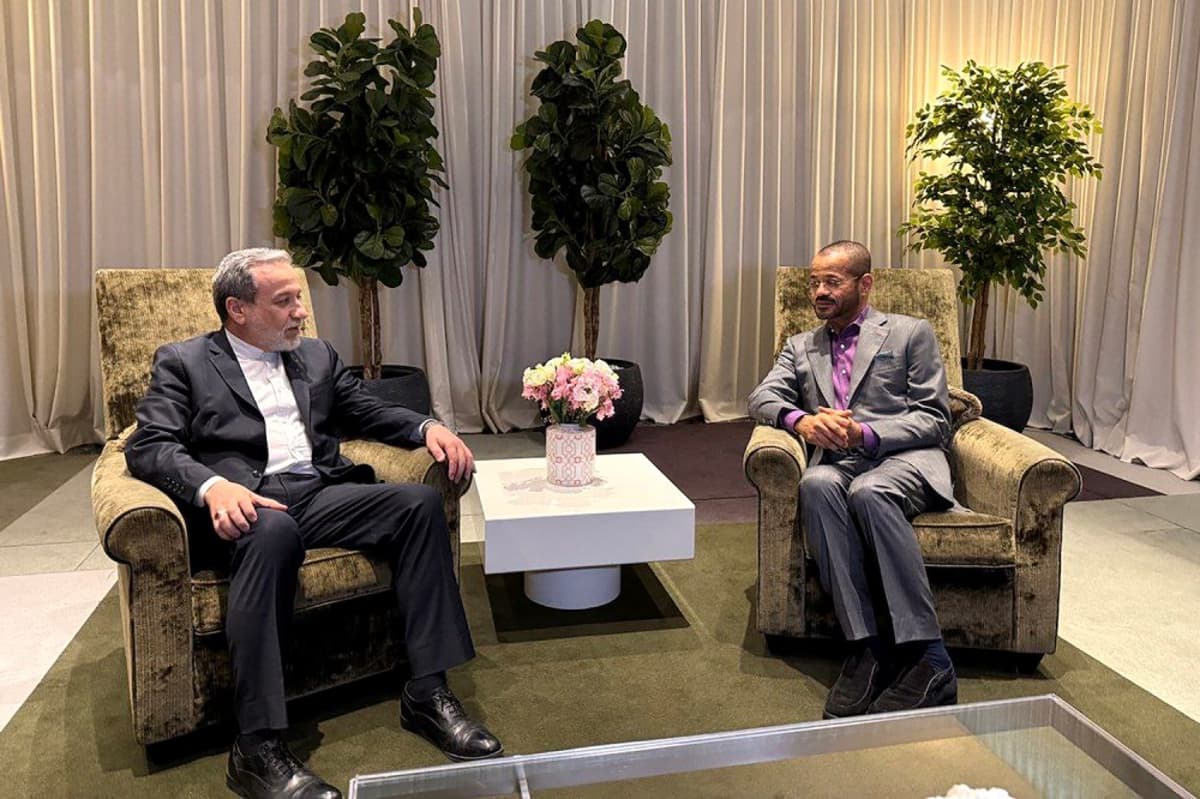
U.S., Iran Make ‘Significant Progress’ in Nuclear Talks, Mediator Says
•February 26, 2026
0
Why It Matters
The talks could reshape regional security by curbing Iran's nuclear ambitions and influencing global non‑proliferation norms, while U.S. military posturing adds pressure and risk.
Key Takeaways
- •Third Geneva round yields “significant progress,” mediator says
- •Iran proposes 3‑5 year enrichment suspension, limited 1.5% research level
- •US adds carriers, jets, while imposing fresh oil sanctions
- •Separate nuclear and missile talks remain deadlocked, hindering full agreement
- •Technical talks slated for Vienna, could shape future regional security
Pulse Analysis
The latest Geneva session marks a tentative turning point in the protracted U.S.-Iran nuclear dialogue. By separating the nuclear component from broader missile and regional activities, Tehran aims to create a narrower, more palatable framework that could unlock sanctions relief. This approach mirrors the 2015 JCPOA structure, where incremental steps built trust, but the current geopolitical climate adds complexity, as Washington balances diplomatic overtures with an unprecedented military buildup in the Persian Gulf.
Analysts warn that the success of the upcoming technical talks in Vienna will hinge on concrete verification mechanisms and a clear timeline for enrichment suspension. Iran’s proposal to maintain a low‑enrichment level for medical purposes, coupled with phased dilution of highly enriched uranium, could satisfy International Atomic Energy Agency requirements while preserving a strategic foothold. However, the United States’ insistence on addressing ballistic missile capabilities—an issue Tehran refuses to discuss—remains a critical stumbling block that could derail a comprehensive agreement.
Beyond the immediate bilateral stakes, the negotiations carry broader implications for global non‑proliferation regimes and energy markets. A credible deal would likely ease sanctions, potentially reopening Iranian oil exports and stabilizing regional oil prices. Conversely, a breakdown could trigger further militarization, heightening the risk of miscalculation and disrupting supply chains. Stakeholders—from multinational corporations to policy makers—must monitor how diplomatic nuance and strategic pressure converge in shaping the next phase of Middle East security.
U.S., Iran Make ‘Significant Progress’ in Nuclear Talks, Mediator Says
0
Comments
Want to join the conversation?
Loading comments...