U.S. Military Buildup Casts Shadow Over Iran Talks
•February 26, 2026
0
Why It Matters
The juxtaposition of intensified diplomatic efforts and a massive U.S. force posture raises the risk of miscalculation, potentially destabilizing the Middle East and undermining non‑proliferation goals.
Key Takeaways
- •Third Geneva round shows diplomatic momentum
- •US deploys two carriers, 50+ jets to Middle East
- •Trump threatens strikes if Iran refuses deal
- •Iran demands sanctions lift, separates nuclear issues
- •Technical talks slated for Vienna next week
Pulse Analysis
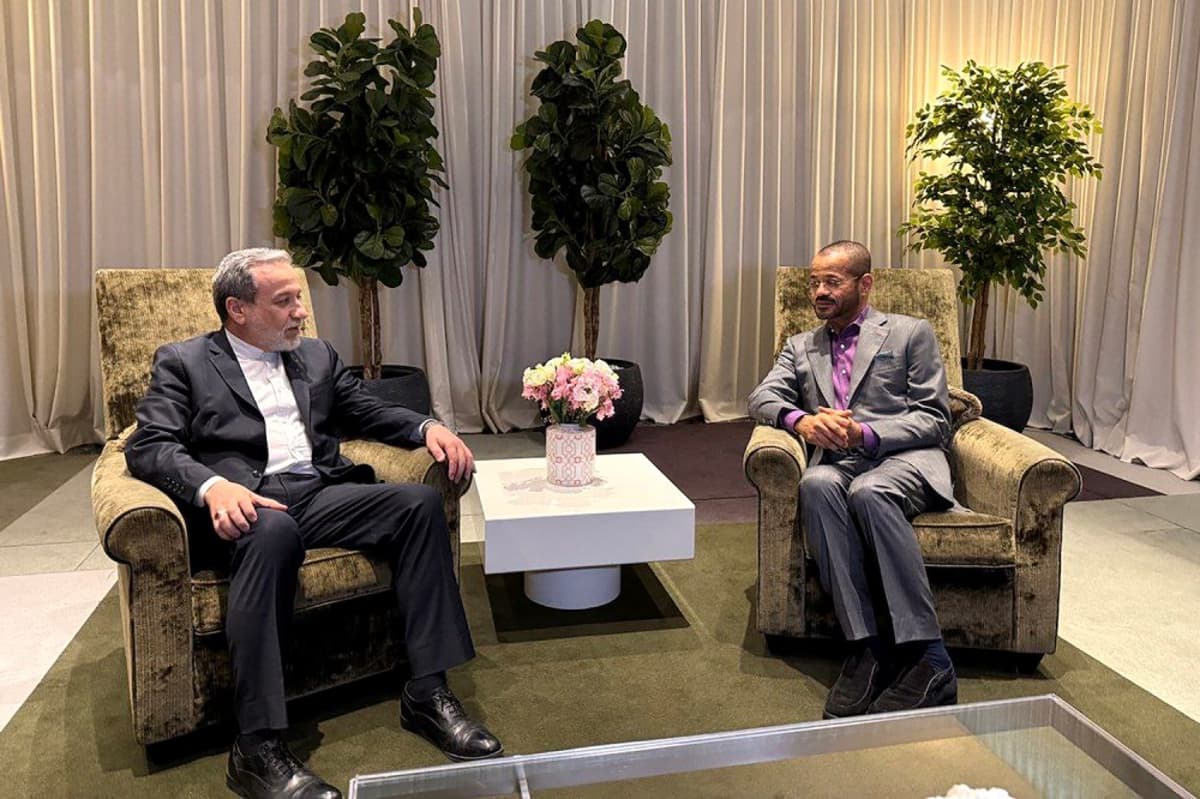
The latest Geneva session marks a rare moment of optimism in the stalled U.S.-Iran nuclear dialogue. Mediated by Oman’s foreign minister, the indirect talks have moved beyond rhetoric, producing a framework that could separate nuclear from non‑nuclear concerns. Technical experts are set to convene in Vienna, where detailed verification mechanisms and enrichment limits will be hashed out, offering a potential pathway to a broader agreement that also addresses Iran’s missile program and regional proxy funding.
Parallel to these diplomatic overtures, Washington has embarked on an unprecedented military surge in the region. Two aircraft carriers, a fleet of fighter jets, and a network of aerial refueling assets underscore a strategic signal: the United States is prepared to back its diplomatic demands with force if necessary. President Trump’s public warnings amplify this posture, suggesting limited strikes or a sustained campaign aimed at curbing Iran’s nuclear and missile capabilities. The buildup not only raises the stakes for Tehran but also complicates the calculus for regional allies wary of escalation.
The convergence of high‑stakes negotiations and a formidable U.S. presence creates a volatile environment where missteps could trigger conflict. Iran’s insistence on sanction relief and a clear division between nuclear and non‑nuclear issues reflects its broader security concerns, while the U.S. seeks to leverage its military advantage to extract concessions. Analysts caution that any premature strike could ignite retaliation, jeopardizing oil markets and regional stability. A carefully calibrated diplomatic outcome, supported by credible deterrence, remains the most viable route to prevent a broader confrontation and preserve the non‑proliferation regime.
U.S. Military Buildup Casts Shadow Over Iran Talks
0
Comments
Want to join the conversation?
Loading comments...