US Missile Deliveries to Philippines Are Pointless and Escalatory
•February 27, 2026
0
Why It Matters
U.S. missile placements heighten U.S.–China friction while offering limited strategic benefit to Manila, potentially destabilizing Southeast Asian security dynamics.
Key Takeaways
- •US to deploy advanced missiles in northern Philippines.
- •China protests US missile deployments, sees them as containment.
- •Philippines' defense budget under 1% GDP limits missile utility.
- •Manila balances US security ties with economic relations to China.
- •Deployments risk escalation, potentially entangling US in regional conflict.
Pulse Analysis
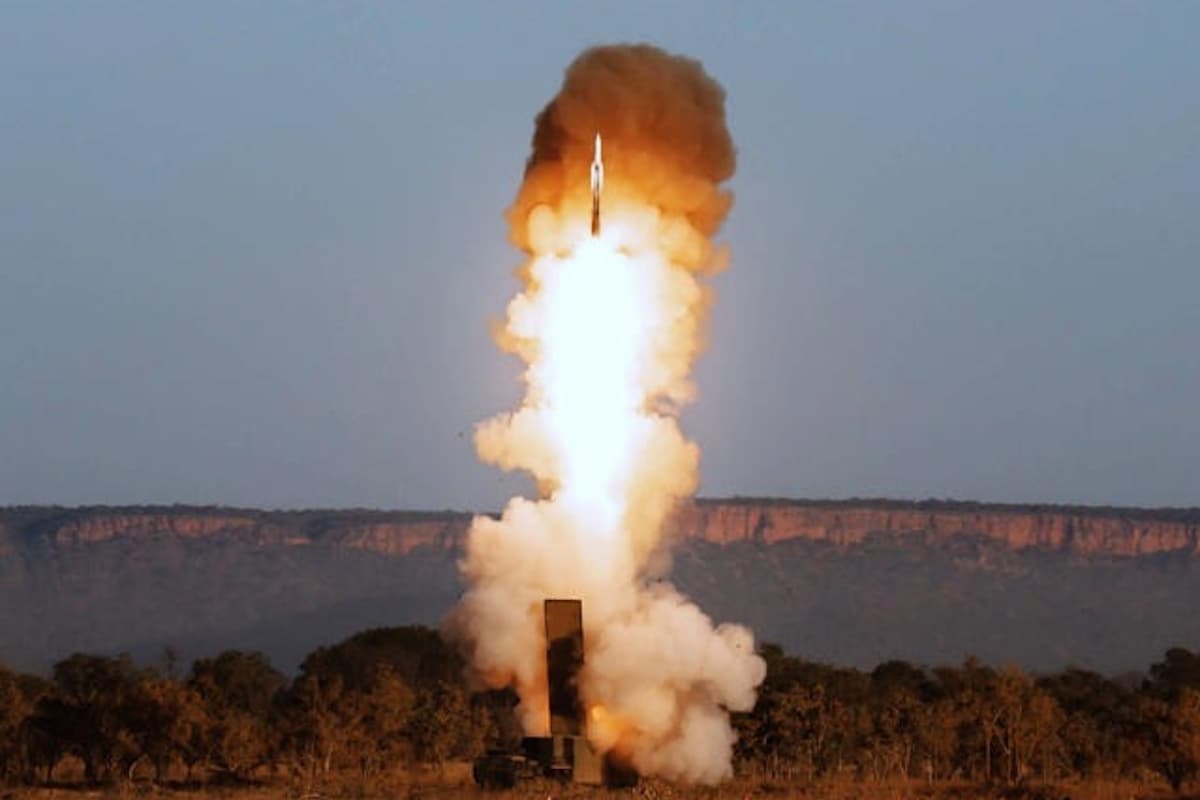
The United States announced plans to station additional advanced, land‑based missiles in the northern Philippines, a move framed as a deterrent against Beijing’s growing naval presence near Taiwan and the South China Sea. By placing mobile systems that are harder to track than ships or aircraft, Washington hopes to complicate any Chinese offensive and reinforce the First Island Chain that has long bounded Chinese power projection. The deployment also signals a continuation of the post‑INF buildup in Asia, underscoring Washington’s commitment to Manila under the 1951 Mutual Defense Treaty.
Critics argue the missiles add little practical value for Manila, whose defense budget remains just above 1 % of GDP and whose armed forces lack the logistics to sustain sophisticated weaponry. President Ferdinand Marcos Jr continues to prioritize economic ties with China, limiting Manila’s willingness to host overtly offensive U.S. assets. Regional partners in ASEAN view the escalation as destabilizing, fearing that heightened U.S.–China friction could spill over into trade disruptions and diplomatic rifts. The deployment therefore risks entangling the United States in a conflict that the Philippines may be reluctant to support.
Strategically, the United States could achieve similar deterrence by enhancing joint patrols, intelligence sharing, and maritime domain awareness rather than stationing more missiles on foreign soil. Such measures would respect the Philippines’ hedging strategy while preserving freedom of navigation in a sea that carries a quarter of global trade. A calibrated approach that balances credible defense commitments with diplomatic engagement may reduce escalation risk and keep ASEAN’s central role in shaping a stable Indo‑Pacific order.
US missile deliveries to Philippines are pointless and escalatory
0
Comments
Want to join the conversation?
Loading comments...