US Naval Blockade of Iran Sparks Global Trade Shock
Why It Matters
The blockade creates a structural shock to global supply chains, inflating energy costs and tightening credit conditions for firms worldwide.
Key Takeaways
- •US blockade halts all commercial shipping to/from Iran
- •Oil prices rise above $100 per barrel
- •Shipping rates Middle East‑Asia hit six‑year high
- •War‑risk insurance premiums up over 50%
- •IMF cuts UK 2024 growth forecast to 0.8%
Pulse Analysis
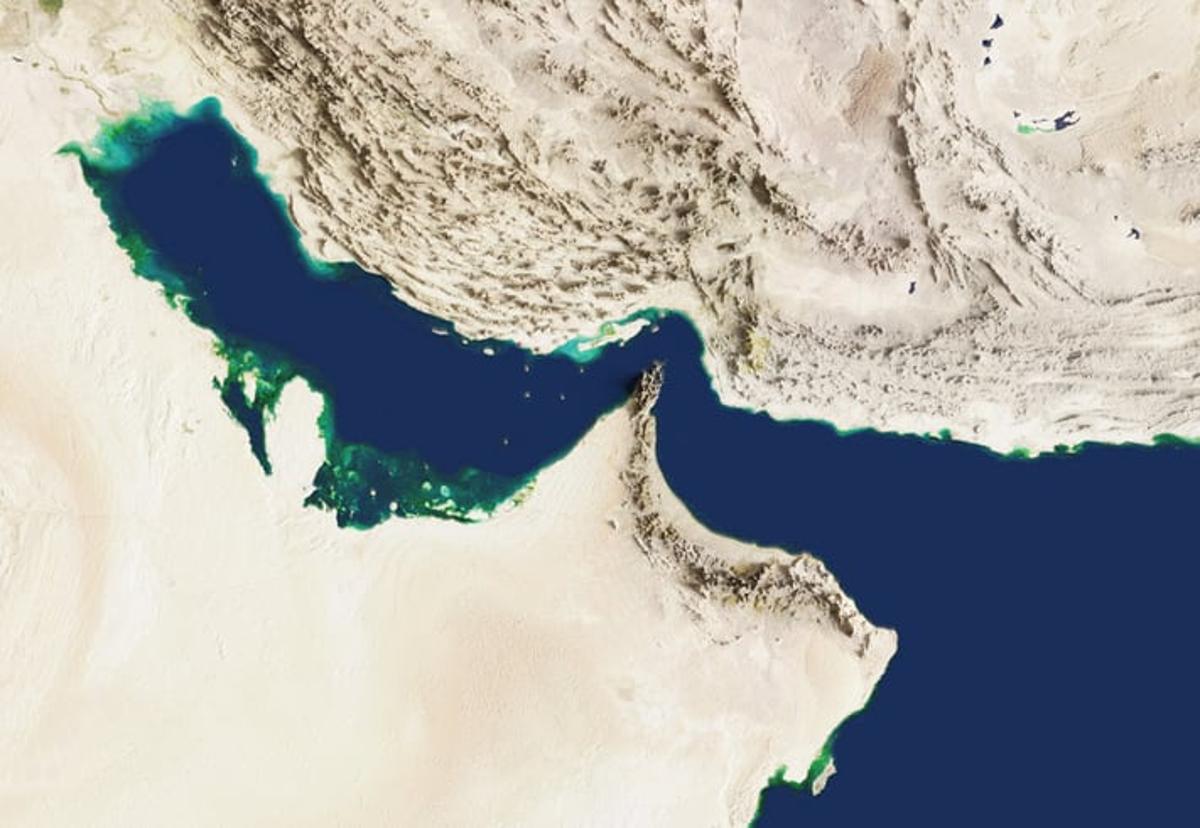
The United States’ decision to enforce a naval blockade around Iran marks a rare escalation in a region already fraught with tension. By sealing off all commercial vessels, Washington is not only targeting Iran’s export revenues but also reshaping the flow of goods through the Strait of Hormuz, a chokepoint that handles roughly a fifth of global oil shipments. This aggressive posture follows a dead‑end peace summit in Pakistan and signals to allies and adversaries alike that economic coercion will be met with reciprocal maritime restrictions, raising the stakes for any nation dependent on Middle Eastern trade routes.
Energy markets have reacted instantly. Crude prices have breached the $100‑per‑barrel threshold, while the closure of the Strait has squeezed LNG cargoes, driving the United Kingdom’s already low gas inventories toward critical levels. Analysts note that Britain’s expanding renewable portfolio cannot fully offset the intermittent nature of wind and solar, leaving the power grid vulnerable to spikes in gas and electricity costs. The combination of higher oil prices, constrained LNG supply, and volatile renewables is expected to keep energy price risk elevated well beyond the current summer season.
The ripple effects extend far beyond fuel. Shipping lanes from the Middle East to Asia are now commanding six‑year‑high freight rates, and war‑risk insurance premiums have surged more than 50%, inflating input costs for manufacturers and logistics providers. The International Monetary Fund’s downgrade of UK growth to 0.8%—the deepest cut among the G7—reflects how these trade disruptions feed into broader macro‑economic instability. Lenders face a new baseline of uncertainty, prompting a shift toward dynamic risk models as firms scramble to hedge against prolonged price volatility and supply‑chain shocks.
US naval blockade of Iran sparks global trade shock
Comments
Want to join the conversation?
Loading comments...