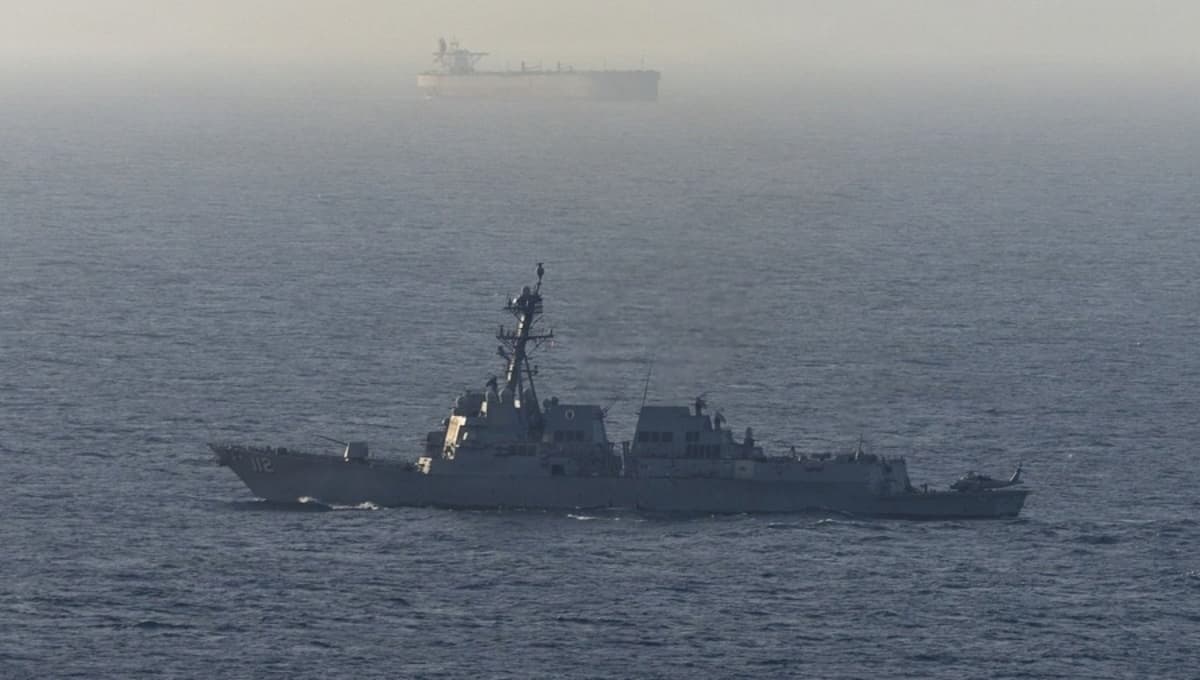
US Rejects Media Reports Claiming that Hormuz Blockade Was Breached
Why It Matters
The denial underscores the ongoing strategic contest over a chokepoint that moves $20 billion daily oil flows, while Iran’s tolls could reshape revenue streams and pressure global oil prices.
Key Takeaways
- •CENTCOM denied that 34 Iranian-linked tankers breached the blockade
- •Only 31 vessels were ordered to turn back, none entered Iranian ports
- •Iran charges $2 million per tanker and $1 per barrel for passage
- •Trump extended the blockade beyond the two‑week ceasefire deadline
- •US Navy destroyer escorted the tanker Dorena after a blockade attempt
Pulse Analysis
The Strait of Hormuz remains one of the world’s most critical maritime chokepoints, funneling an estimated 20 billion barrels of oil each month. In April 2026, U.S. Central Command publicly rejected a series of European media reports that suggested Iranian‑linked tankers had slipped through the American‑imposed blockade. CENTCOM’s statements emphasized that the blockade remains fully enforced, with no ship permitted to transit Iranian ports and only 31 vessels instructed to reverse course. This clarification highlights the U.S. commitment to maintaining pressure on Tehran’s oil export capabilities.
Despite the denial, Tehran has begun monetizing the strait by imposing a $2 million fee per tanker and a $1 per barrel toll, a move announced by a senior parliamentary official. The revenue, now sitting in Iran’s central bank, signals a strategic shift from pure military resistance to economic leverage. For global oil markets, these fees could translate into higher transport costs, potentially nudging spot prices upward, especially if the blockade persists and alternative routes remain limited. Investors are watching closely for any ripple effects on energy benchmarks.
The political backdrop adds further complexity: President Donald Trump extended the blockade beyond the original two‑week cease‑fire deadline, tying its duration to the emergence of a unified Iranian leadership willing to negotiate. This extension reinforces the United States’ willingness to use naval power as a bargaining chip, while also raising questions about the long‑term legality and sustainability of such blockades under international law. Shipping companies may need to reassess route planning and insurance premiums, and policymakers will likely weigh the economic costs against the strategic gains of containing Iran’s oil flow.
US rejects media reports claiming that Hormuz blockade was breached
Comments
Want to join the conversation?
Loading comments...