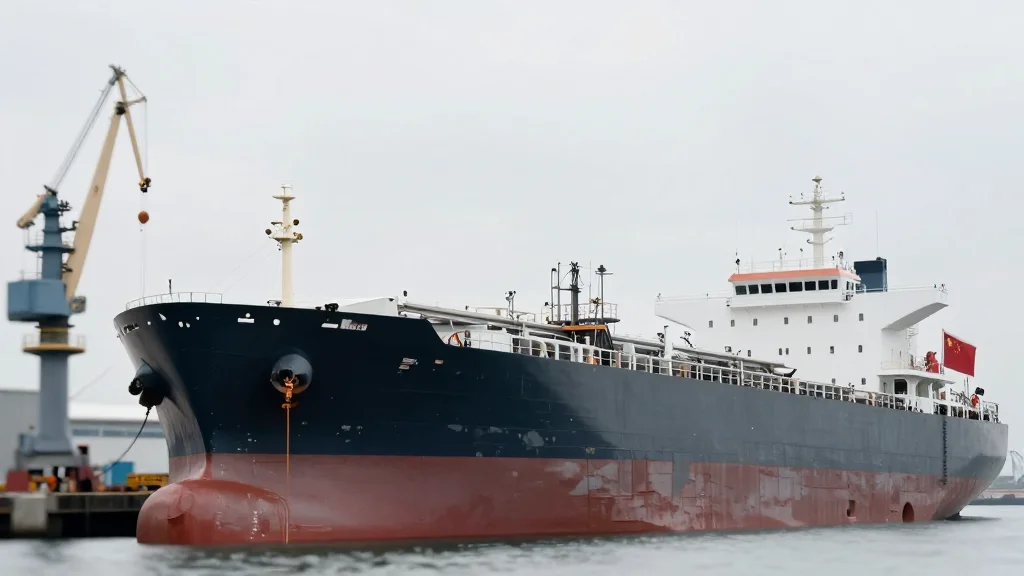
U.S. Sanctions China‑Based Oil Terminal and Ship Managers Over $10 Billion Iranian Oil Scheme

Why It Matters
The sanctions strike at the financial lifeline that fuels Iran’s defense and proxy activities, aiming to reduce the flow of funds that sustain missile development and regional destabilization. By targeting the logistics chain rather than just the end‑buyer, Washington seeks to create a deterrent effect for other intermediaries that might consider facilitating prohibited oil sales. If successful, the pressure could force Iran to curtail its oil export volumes or accept lower‑price sales, shrinking the budget available for weapons procurement. Conversely, the move may push Iran to deepen ties with non‑Western financial networks, complicating future enforcement and potentially prompting a shift toward illicit financing methods that are harder to track.
Key Takeaways
- •U.S. sanctions a China‑based terminal operator and two ship‑management firms for moving tens of millions of barrels of Iranian crude.
- •The network is accused of funneling over $10 billion in illicit oil revenue to Iran.
- •Sanctions constitute the 12th round since the Feb. 4, 2025 National Security Presidential Memorandum‑2.
- •Designations freeze U.S. assets and bar U.S. persons from transacting with listed entities.
- •Violations could trigger civil penalties up to $1 million and criminal fines up to $5 million per breach.
Pulse Analysis
Washington’s latest sanctions illustrate a shift from broad, symbolic measures to precision targeting of the oil‑logistics ecosystem that underpins Iran’s defense budget. By focusing on a terminal operator and ship managers, the United States is attempting to disrupt the supply chain at a point where financial transactions are most visible, thereby increasing the risk of detection and enforcement. This approach mirrors tactics used against North Korean oil networks, where maritime interdiction proved effective in curbing revenue streams.
Historically, Iran has weathered sanctions by leveraging a web of front companies and shifting cargoes through opaque jurisdictions. The current designations aim to close a known loophole, but the resilience of Iran’s illicit trade network suggests that the impact may be incremental rather than transformative. The real test will be the willingness of allied nations, especially those with significant maritime interests, to enforce the designations and share intelligence. A coordinated multinational response could amplify the pressure, forcing Iran to either accept reduced oil revenues or risk further isolation.
Looking ahead, the sanctions could set a precedent for future actions against other non‑state actors that facilitate prohibited trade. If the Treasury can demonstrate measurable reductions in Iran’s oil income, it may justify expanding the Economic Fury policy to include cyber‑enabled financial tracking and more aggressive asset seizures. For defense planners, the key takeaway is that financial tools are increasingly intertwined with kinetic capabilities, and disrupting funding channels can be as decisive as battlefield victories.
U.S. Sanctions China‑Based Oil Terminal and Ship Managers Over $10 Billion Iranian Oil Scheme
Comments
Want to join the conversation?
Loading comments...