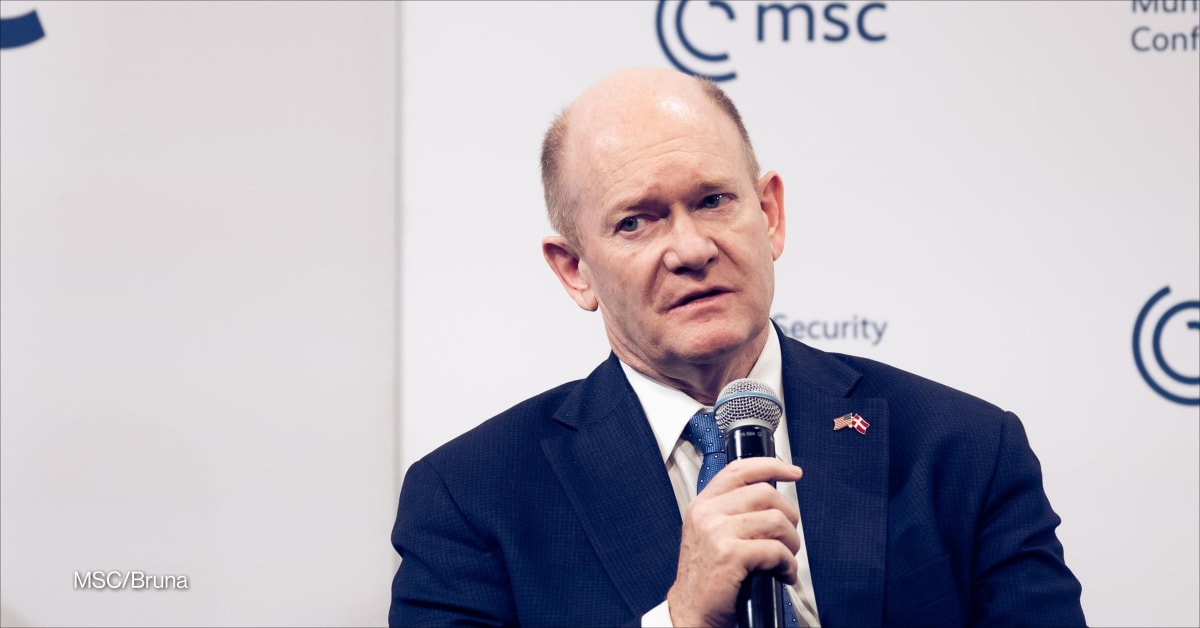
US Senator: ‘Much More Money than You Would Think’ in US Development
•February 20, 2026
0
Why It Matters
The balance between defense outlays and development aid will shape U.S. geopolitical influence and global stability. Ensuring adequate development funding protects long‑term security interests and mitigates conflict drivers.
Key Takeaways
- •US development aid exceeds public perception.
- •Defense spending rise pressures aid budgets.
- •Bipartisan consensus still backs foreign assistance.
- •Coons urges integrating development with security strategy.
- •Munich conference highlights aid-defense nexus.
Pulse Analysis
The dialogue between Senator Chris Coons and Devex reflects a growing awareness that development financing is a strategic asset, not a discretionary expense. While the United States and NATO allies are boosting defense budgets to address immediate threats, policymakers recognize that sustainable peace hinges on addressing root causes such as poverty, governance deficits, and climate vulnerability. By quantifying the true scale of U.S. development outlays, Coons challenges the narrative that aid is a budgetary afterthought and positions it as a core component of national security.
In the broader policy arena, bipartisan support for foreign assistance remains a rare point of consensus in a polarized Congress. Coons highlighted recent legislative efforts that tie development objectives to security outcomes, such as the Global Development and Security Act, which seeks to align aid with defense planning. This integration aims to prevent the classic "budget tug‑of‑war" where increased military spending automatically squeezes aid programs. By embedding development goals within defense strategies, the U.S. can leverage its fiscal resources more efficiently, ensuring that aid projects complement, rather than compete with, security initiatives.
The Munich Security Conference serves as a microcosm of the shifting geopolitical calculus, where traditional defense dialogues now routinely incorporate development considerations. Experts predict that future security frameworks will increasingly adopt a "whole‑of‑government" approach, blending diplomatic, economic, and military tools. For businesses and NGOs operating in fragile environments, this signals a more predictable funding landscape and opportunities for public‑private partnerships. Ultimately, the ability to sustain robust development budgets alongside heightened defense spending will determine the United States' capacity to foster stability and counter emerging threats worldwide.
US senator: ‘Much more money than you would think’ in US development
0
Comments
Want to join the conversation?
Loading comments...