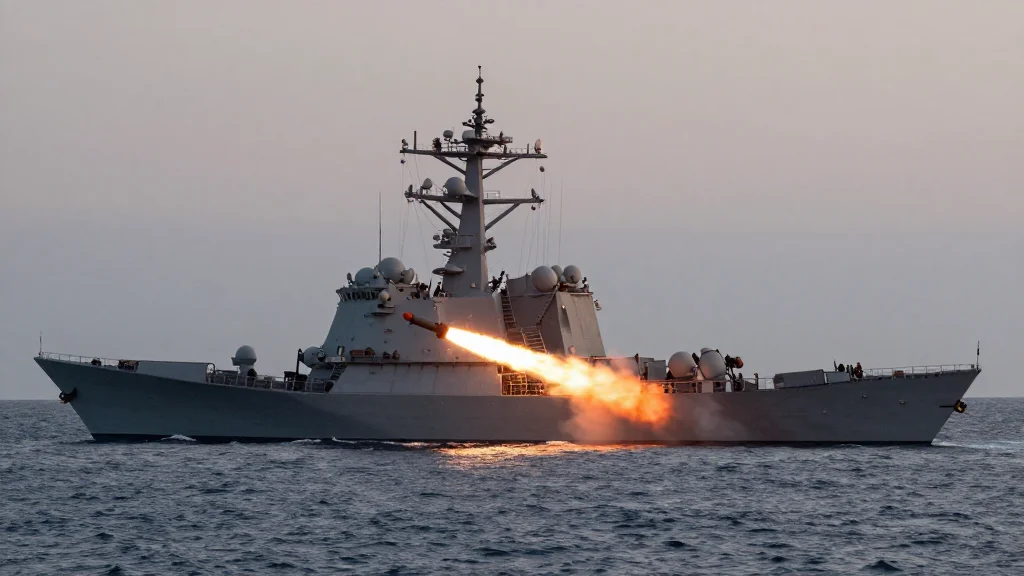
US Strikes Iranian Missile Sites Amid Fragile US‑Iran Deal Talks

Why It Matters
The US strikes underscore the volatility of the US‑Iran relationship, where military actions can quickly undercut diplomatic progress. A successful agreement could restore safe passage through the Strait of Hormuz, stabilising global energy markets and reducing the risk of a broader regional conflagration. Conversely, failure to secure a robust security component could embolden Iran’s missile programmes and proxy forces, prompting further US and allied military responses. For Israel, the talks raise strategic concerns. Israeli officials have warned that any US‑Iran deal that does not address Hezbollah’s activities in Lebanon could leave Israel exposed to renewed attacks from the north, complicating its own defence planning and regional alliances.
Key Takeaways
- •US Central Command confirmed self‑defence strikes on Iranian missile sites and mine‑laying boats.
- •President Trump announced a "largely negotiated" US‑Iran agreement and promised to reopen the Strait of Hormuz.
- •Secretary of State Marco Rubio called the current Iranian actions "unlawful" and "illegal".
- •Iran’s Fars news agency disputed US claims, saying the strait will remain under Iranian control.
- •Regional diplomats described recent calls with Gulf states as "very positive" but warned of lingering security gaps.
Pulse Analysis
The latest US strikes signal a classic deterrence play: demonstrate capability while keeping diplomatic channels open. Historically, US military pressure has been used to extract concessions from Tehran, but the current environment is more complex. Iran’s missile infrastructure has expanded since the 2020‑2021 escalation, and its proxy networks in Lebanon and Iraq add layers of asymmetrical threat that the US cannot neutralise solely with kinetic force.
Trump’s push for a rapid settlement reflects a political calculus aimed at cementing a legacy of peace, yet the lack of transparent details raises doubts about the durability of any agreement. A credible deal will need to bind Iran to verifiable nuclear limits and include enforceable mechanisms to curb Hezbollah’s missile capabilities. Without such guarantees, Israel and Gulf allies may continue to invest in missile defence systems like the US‑provided Patriot and David’s Sling, perpetuating an arms race.
Looking ahead, the success or failure of the Doha talks will likely dictate the next wave of defence spending in the region. A reopened Strait of Hormuz could lower oil price volatility, freeing up fiscal space for Gulf states to modernise their air forces and naval fleets. Conversely, a stalled deal could trigger a surge in procurement of anti‑ship missiles and unmanned systems as regional actors hedge against renewed hostilities. The coming weeks will be a litmus test for whether diplomatic overtures can translate into lasting security architecture or merely postpone the next round of conflict.
US Strikes Iranian Missile Sites Amid Fragile US‑Iran Deal Talks
Comments
Want to join the conversation?
Loading comments...