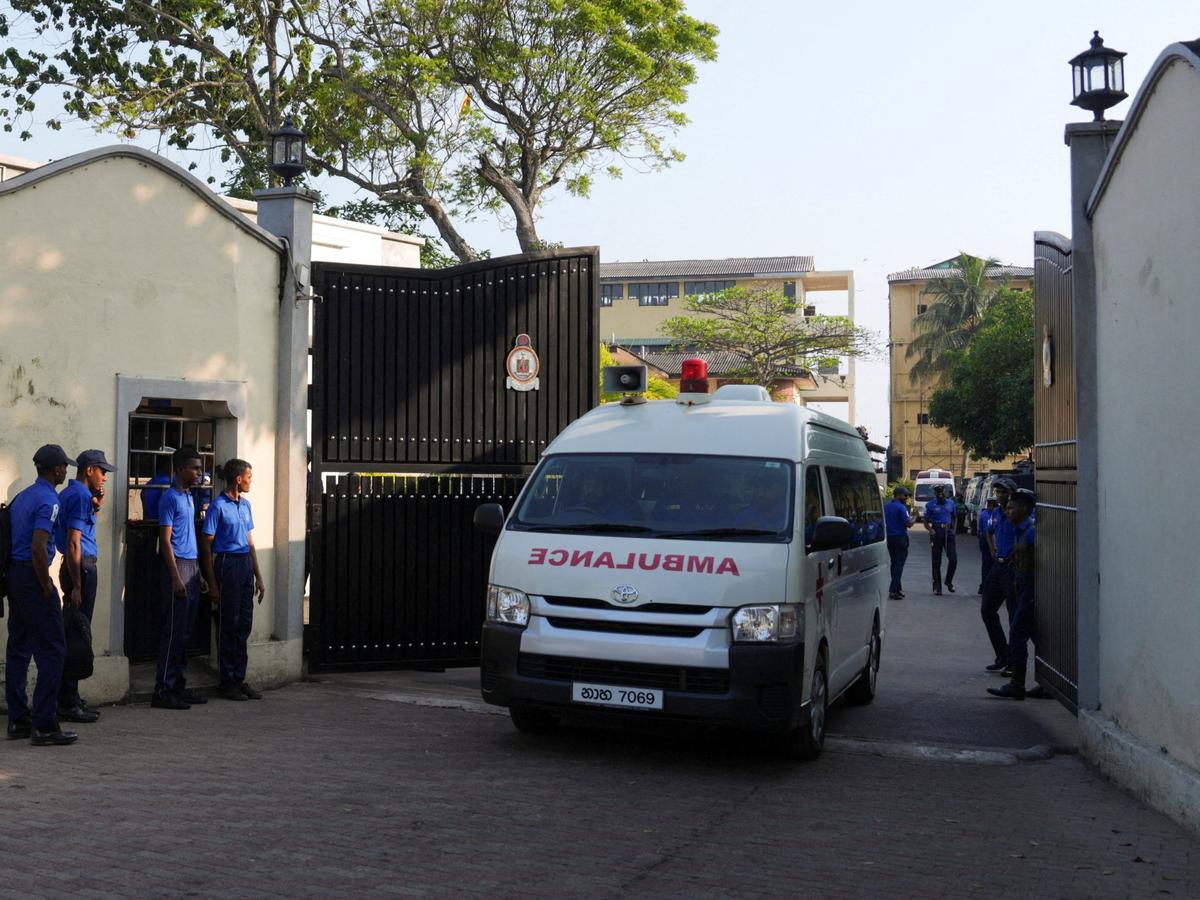
US Submarine Sank Iran’s Warship Off Sri Lanka Coast, Says Hegseth
•March 4, 2026
0
Why It Matters
The engagement signals a dramatic escalation in U.S. military posture against Iran, potentially expanding the conflict into the Indian Ocean and affecting global shipping routes. It also tests the rules of engagement for U.S. submarines operating in contested waters.
Key Takeaways
- •US submarine torpedoed Iranian frigate IRIS Dena.
- •At least 80 crew killed, 32 wounded rescued.
- •First U.S. offensive against an enemy since WWII.
- •Incident occurs amid US‑Israel strikes after Khamenei's death.
- •Sri Lanka conducted rescue; no other vessels observed.
Pulse Analysis
The sinking of Iran’s IRIS Dena marks a stark escalation in the U.S.–Iran confrontation that intensified after the killing of Supreme Leader Ali Khamenei in early March 2026. In response to Tehran’s retaliatory drone and missile attacks on Israeli and U.S. assets, the United States has launched a series of air strikes across the Middle East. Defense Secretary Pete Hegseth’s revelation that a U.S. submarine delivered a torpedo in international waters off Sri Lanka adds a naval dimension to a conflict that until now had been largely aerial and cyber‑focused.
The incident raises immediate concerns for maritime security in the Indian Ocean, a critical conduit for global trade. Sri Lanka’s rapid rescue operation—recovering bodies, treating 32 wounded sailors, and confirming no other vessels were present—highlights the island nation’s strategic importance as a first‑line responder. International law scholars will scrutinize whether the strike complies with the law of armed conflict, given the location outside Sri Lankan territorial waters but within a heavily trafficked sea lane. Regional powers, including India and China, are likely to monitor U.S. submarine activity closely, fearing spill‑over effects on their own naval deployments.
For the U.S. Navy, the action serves as a real‑world test of under‑sea warfare capabilities and a signal of willingness to engage hostile forces far from traditional theaters. Analysts predict that the episode could prompt NATO allies to reassess rules of engagement for submarines operating in contested regions, while Iranian naval planners may accelerate asymmetric tactics to counter U.S. under‑sea dominance. The broader economic impact could manifest in higher insurance premiums for vessels transiting the Indian Ocean, as shippers weigh the risk of inadvertent entanglement in a widening proxy war.
US submarine sank Iran’s warship off Sri Lanka coast, says Hegseth
0
Comments
Want to join the conversation?
Loading comments...