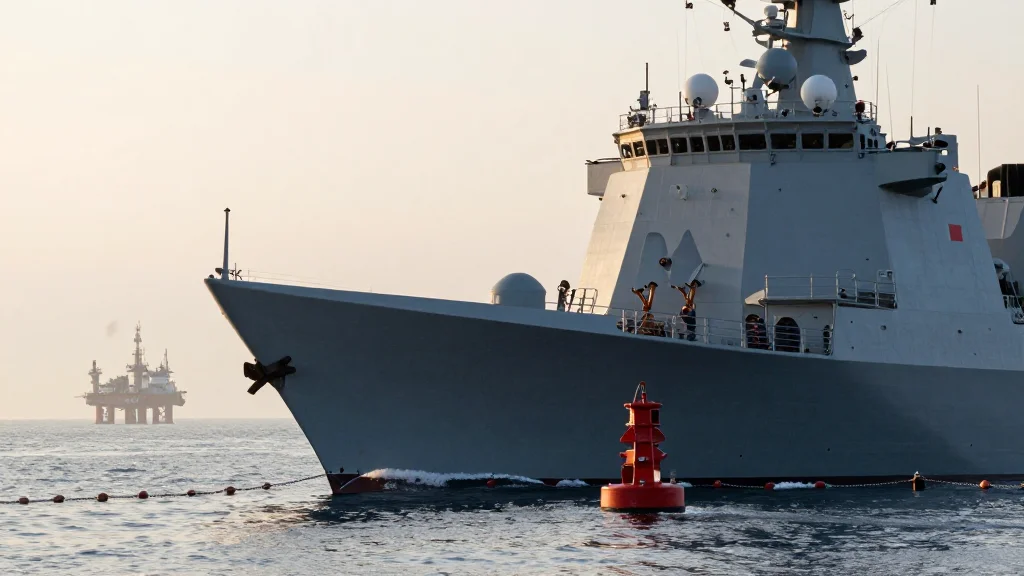
“U.S. to Blockade Ships Entering or Exiting Iranian Ports”
Key Takeaways
- •U.S. CENTCOM initiates blockade of Iranian ports April 13, 10 a.m. ET.
- •Blockade applies to all nations, but not to Strait of Hormuz transits.
- •Brent crude rose $6.70, signaling tighter oil market.
- •Kalshi odds of normal traffic revert to pre‑talk levels.
- •Shipping insurers likely to raise premiums for Gulf routes.
Pulse Analysis
The United States invoked presidential authority to seal off Iran’s maritime gateways, a move that extends beyond traditional sanctions by physically preventing cargo ships from docking in the Arabian Gulf and Gulf of Oman. CENTCOM’s directive is designed to be impartial, targeting any vessel regardless of flag, while still allowing free passage through the strategic Strait of Hormuz for non‑Iranian trade. This approach signals a heightened willingness to use naval power to enforce diplomatic pressure, echoing Cold War‑era blockades but calibrated for modern, multilateral shipping patterns.
Energy markets reacted sharply. Brent crude futures jumped $6.70, reflecting concerns that reduced Iranian export capacity could tighten global supply. Traders also priced in a higher risk premium, as evidenced by Kalshi’s odds sliding back to pre‑negotiation levels for a swift normalization of Hormuz traffic. The price movement underscores the market’s sensitivity to any disruption in the Gulf, a region that supplies roughly 30% of worldwide oil. Shipping insurers have already hinted at premium hikes, anticipating increased claims risk for vessels navigating near contested waters.
For businesses and investors, the blockade introduces both operational challenges and strategic opportunities. Companies reliant on Gulf oil may need to diversify supply chains or lock in longer‑term contracts to hedge against price volatility. Conversely, alternative routes—such as the Red Sea‑Suez corridor—could see a surge in demand, benefiting logistics firms positioned there. The diplomatic fallout will likely shape the blockade’s duration; any de‑escalation talks could quickly restore market stability, while a prolonged standoff may force a recalibration of global energy pricing and shipping risk models.
“U.S. to Blockade Ships Entering or Exiting Iranian Ports”
Comments
Want to join the conversation?