Sinocism
Xi Wants the Strait of Hormuz Reopened; Cakes and An E-Commerce Crackdown; The Next Stage of Decoupling; The MATCH Act in Congress
Why It Matters
The Strait of Hormuz is a critical chokepoint for global energy markets; any disruption directly impacts Chinese economic stability and worldwide oil prices. Understanding China's constrained ability to influence the conflict highlights the limits of its diplomatic reach and foreshadows potential escalation in U.S.–China trade and security confrontations, making the episode highly relevant for anyone tracking international trade, energy security, and geopolitical risk.
Key Takeaways
- •Xi urges immediate Strait of Hormuz reopening for oil flow.
- •China’s influence on Iran limited amid ongoing naval confrontations.
- •U.S. seized chemical‑laden container, sparking missile‑fuel speculation.
- •China balances Gulf relationships with strategic Russian alliance.
- •Potential 50% tariffs on nations shipping military goods to Iran.
Pulse Analysis
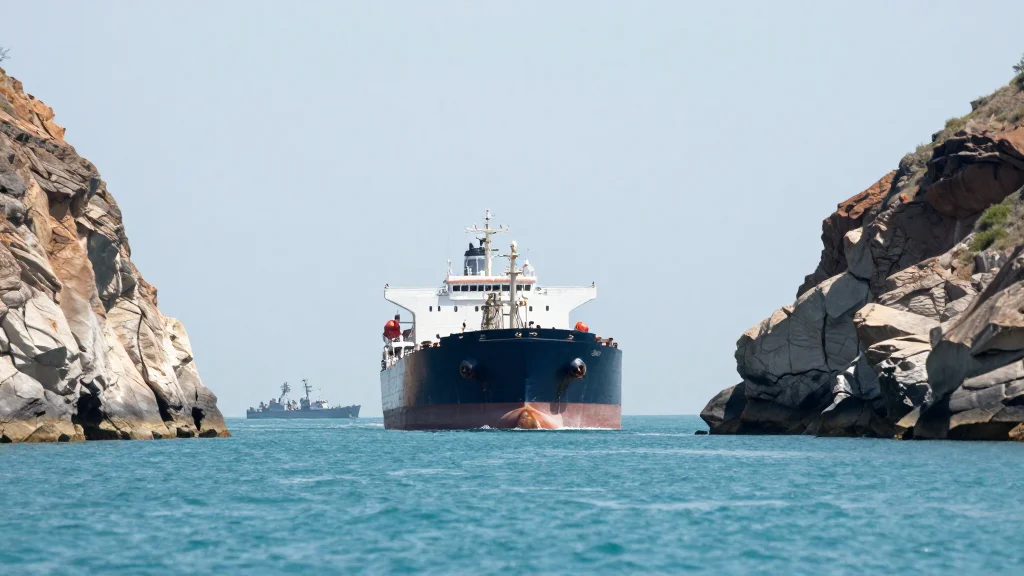
In a rare phone call with Saudi Crown Prince Mohammed bin Salman, President Xi Jinping publicly called for the swift reopening of the Strait of Hormuz, emphasizing that normal passage is vital for regional economies and global energy markets. The strait carries the bulk of China’s imported crude and petrochemical feedstocks, so any prolonged closure threatens Chinese manufacturing and its strategic stockpiles. Xi’s statement also signaled Beijing’s desire to appear a stabilizing diplomatic force, even as Tehran’s naval actions continue to disrupt traffic.
The United States escalated tensions by boarding a container vessel—identified as the Tuska—departing China’s Zhuhai port. Intelligence linked the cargo to sodium perchlorate, a key precursor for solid‑rocket fuel used in Iran’s missile program. While Washington has not confirmed the exact contents, the incident fueled speculation that China’s trade may be indirectly supporting Tehran’s ballistic‑missile capabilities. President Trump’s remarks about a “gift from China” and the looming 50% tariff threat on any country shipping military‑grade goods to Iran underscore how commercial disputes are becoming entangled with security policy.
Beyond the immediate crisis, the episode illustrates the broader trajectory of U.S.–China decoupling. Beijing must juggle its deepening partnership with Russia, its lucrative oil imports from Gulf states, and growing U.S. pressure such as the MATCH Act and a crackdown on Chinese e‑commerce platforms. While China retains short‑term cushioning through oil reserves, its limited leverage over Iran and the volatile geopolitics of the Persian Gulf mean that Beijing’s long‑term strategy will focus on diversifying supply chains, reinforcing ties with Saudi Arabia and the UAE, and navigating an increasingly hostile Western regulatory environment.
Episode Description
Listen now | Show Notes: On today's show Andrew and Bill return to discuss the PRC's posture amidst the ongoing war in Iran. Topics include: Xi's call to re-open the Strait of Hormuz, an interdicted Iranian ship that may have been carrying missile precursors from China, Trump's posture toward China three weeks before his summit in Beijing, March export numbers, and deals between the US and Indonesia and the US and the Philippines. Then: The SAMR fines several e-commerce giants over food safety concerns in the "ghost delivery" sector, plus thoughts on the ongoing struggle to combat involution. From there: New regulations in Beijing to crack down on foreign companies attempting to diversify supply chains, the USTR's Jamieson Greer comments on US partners and a new rare earth strategy, and notes on tensions between the PRC and Japan. At the end: The MATCH Act in Congress and the continued scrutiny over semiconductor manufacturing equipment, an updated timeline for DeepSeek's new model, and a Mandelson mess continues to unspool in the U.K.
Comments
Want to join the conversation?
Loading comments...