Saks Global Files for Chapter 11, with a $1.75 Billion Lifeline and Familiar Turnaround Playbook
Why It Matters
The restructuring gives Saks a cash lifeline to preserve its luxury retail network and could reshape the high‑end department‑store landscape, while vendor relationships and brand equity remain at risk.
Saks Global files for Chapter 11, with a $1.75 billion lifeline and familiar turnaround playbook
By Zofia Zwieglinska · January 14, 2026
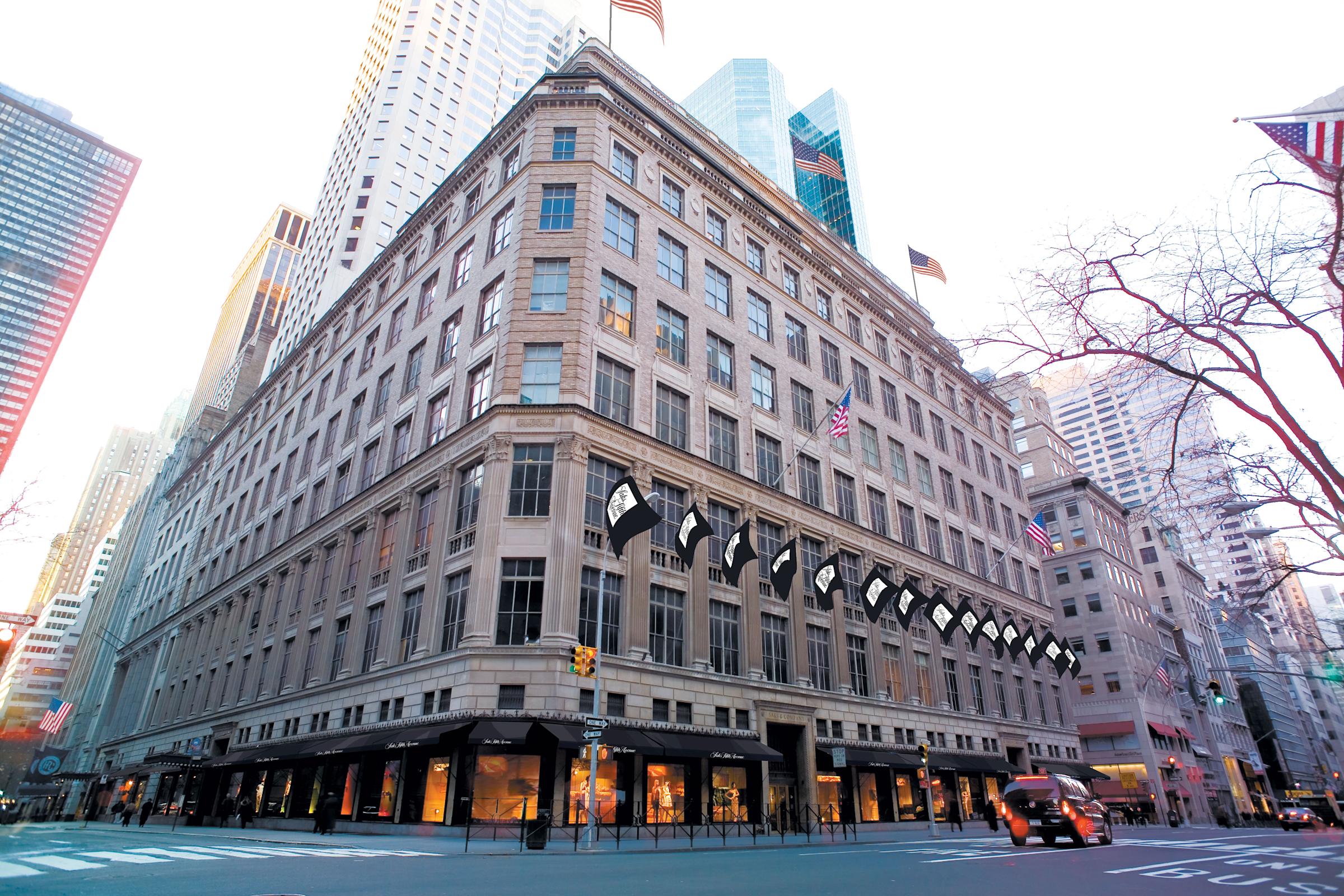
![Saks Global files for chapter 11 with $1.75 billion lifeline, and a familiar turnaround playbook]
On Wednesday, Saks Global announced a sweeping financial reset, securing approximately $1.75 billion in committed capital and formally commencing a voluntary Chapter 11 process in the U.S. Bankruptcy Court for the Southern District of Texas. The move, backed by senior secured bondholders and asset‑based lenders, is designed to stabilize the retailer as it reshapes a sprawling luxury portfolio that includes Saks Fifth Avenue, Neiman Marcus and Bergdorf Goodman.
The financing package includes $1 billion in debtor‑in‑possession funding, with an additional $500 million committed upon emergence later this year, alongside roughly $240 million of incremental liquidity. The company said the capital will support day‑to‑day operations and turnaround initiatives, while allowing all stores and e‑commerce platforms—including Saks Off 5th, Last Call and Horchow—to remain open and fully operational throughout the restructuring.
As part of the process, Saks Global said it is evaluating its operational footprint, signaling potential consolidation as it redirects investment toward areas with the strongest long‑term growth potential. The company emphasized continuity for customers and vendors, stating it will honor customer programs, continue employee pay and benefits, and make go‑forward payments to brand partners.
Leadership is also being reshuffled. Former Neiman Marcus Group CEO Geoffroy van Raemdonck has been named CEO, effective immediately, succeeding Richard Baker. He joins CFO Brandy Richardson and is rebuilding the senior team with familiar names, including Darcy Penick as president and chief commercial officer and Lana Todorovich as chief of global brand partnerships. Both previously worked at Neiman Marcus with van Raemdonck.
“This is a defining moment for Saks Global, and the path ahead presents a meaningful opportunity to strengthen the foundation of our business and position it for the future,” Van Raemdonck said in a statement. “In close partnership with these newly appointed leaders and our colleagues across the organization, we will navigate this process together with a continued focus on serving our customers and luxury brands. I look forward to serving as CEO and continuing to transform the Company so that Saks Global continues to play a central role in shaping the future of luxury retail.”
For industry observers, the appointment is pragmatic, if not without baggage.
“From a restructuring standpoint, this is the most conventional choice Saks Global could make,” said Marc A. Cohen, an industry veteran and former director of retail studies at Columbia Business School. “Van Raemdonck successfully navigated Neiman Marcus through Covid and a bankruptcy once before. There aren’t many executives left who have actually done that.”
Still, Cohen warned that operational continuity doesn’t erase the past, particularly when it comes to vendor relations.
“The vendor community has a very long memory,” Cohen said. “Neiman Marcus treated many brands poorly before and after its last bankruptcy. This DIP financing may be enough to convince vendors to resume shipping, but trust will be the harder currency to rebuild.”
That tension may intensify as the case unfolds. While DIP lenders and secured creditors are protected, pre‑petition bondholders are likely facing steep haircuts, a familiar flashpoint in large‑scale retail restructurings.
“All things considered,” Cohen added, “[Van Raemdonck] may be the most likely person to lead this business into, through and out of bankruptcy. But the real question is what’s left of these banner [stores] once the fires are put out — and whether the luxury ecosystem still wants to rally around them.”
Comments
Want to join the conversation?
Loading comments...