Key Takeaways
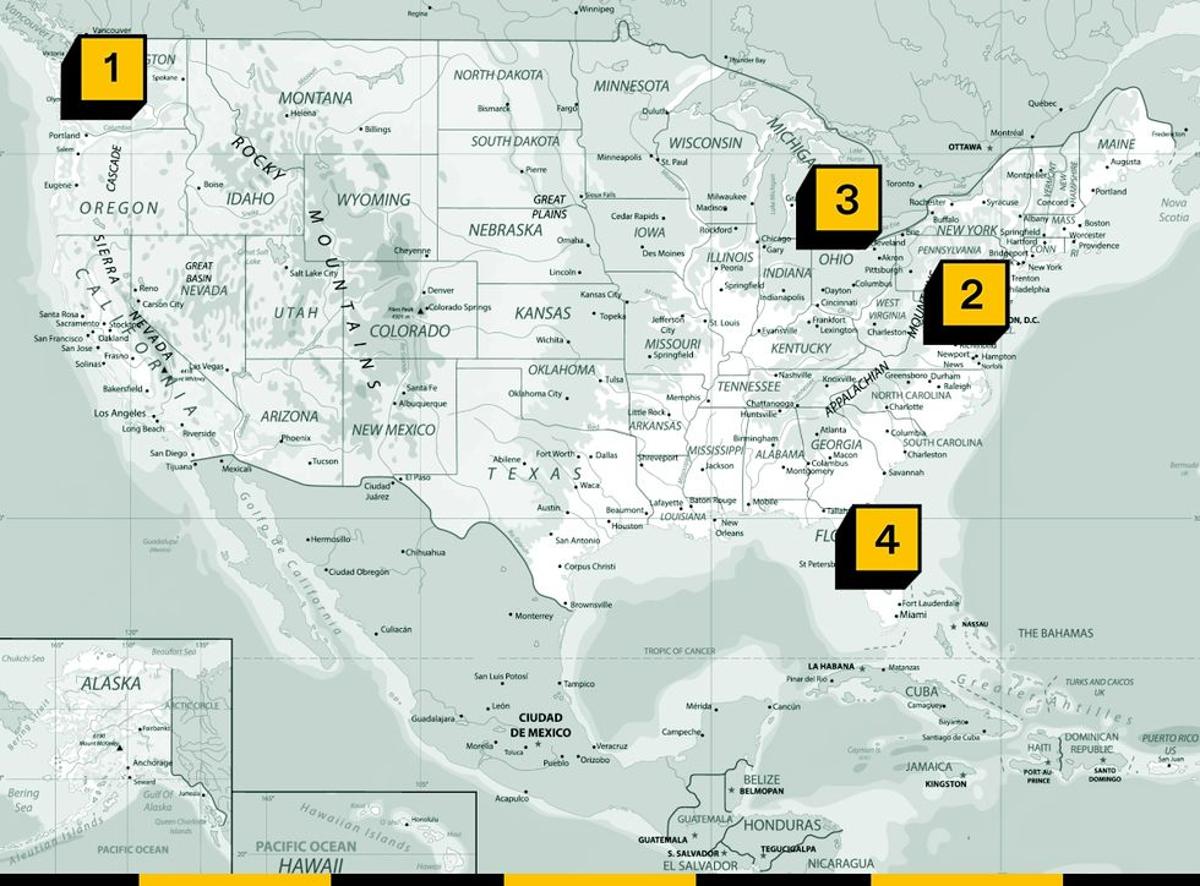
- •650 residents protested Jupiter Power’s 130 MW storage plan in Snoqualmie.
- •City council asked to relocate the project, citing thermal‑runaway risks.
- •Brookfield’s subsidiary withdrew from Virginia’s Digital Gateway after rezoning reversal.
- •Michigan developer Sansone scrapped Toyota‑land data center amid township moratorium.
- •Florida’s Okee‑One data center lost $1.5 M state funding after DeSantis opposition.
Pulse Analysis
The battery‑storage debate in the Pacific Northwest has reignited after the 2024 Moss Landing fire, a high‑profile incident that amplified fears of thermal‑runaway events. Jupiter Power’s 130‑megawatt Cascade Ridge project, sited near a substation, now faces a formal request from Snoqualmie’s city council to relocate the facility. This move underscores how local activism, backed by grassroots groups like Snoqualmie Valley for Responsible Energy, can compel regulators to reassess site suitability, potentially adding years and millions of dollars to project timelines.
Data‑center developers are encountering a similar wave of opposition in the East. In Prince William County, Virginia, a court‑ordered rezoning reversal forced Brookfield’s subsidiary to abandon the Digital Gateway megaproject, a setback celebrated by anti‑AI activists. Meanwhile, in Michigan, real‑estate firm Sansone withdrew its proposal to convert Toyota‑owned land into a hyperscale data center after York Township imposed a six‑month moratorium. These legal and community hurdles illustrate a growing scrutiny of projects that demand substantial power and water resources, prompting developers to reevaluate risk assessments and stakeholder engagement strategies.
Florida’s Okee‑One data‑center saga adds a political dimension to the trend. Initially backed by $1.5 million in state funds, the project was abruptly derailed after Governor Ron DeSantis publicly criticized the college’s energy and water claims, leading to a petition that gathered over 3,000 signatures—roughly 18% of the county’s presidential vote. The episode highlights how state‑level politics can intersect with local opposition, creating a volatile environment for large‑scale tech infrastructure. Collectively, these cases signal that energy‑storage and data‑center ventures must prioritize transparent community outreach and robust safety assurances to navigate an increasingly skeptical landscape.
An Anti-Battery Avalanche Outside Seattle
Comments
Want to join the conversation?