Australia Institute on Gaslighting; Risky Flood Proposal; GetUp and Hanson; STH BNK by Beulah
Key Takeaways
- •25% gas export tax could fund free university and childcare.
- •NSW proposal risks flood‑inaccessible aged‑care site, emergency services object.
- •GetUp commits ~A$600k to anti‑Hanson campaign ahead of Farrer by‑election.
- •$2.7bn AUD Southbank project sold for A$130m, reflecting cost surge.
- •Francine Binns appointed WSROC CEO, bringing extensive public‑sector experience.
Pulse Analysis
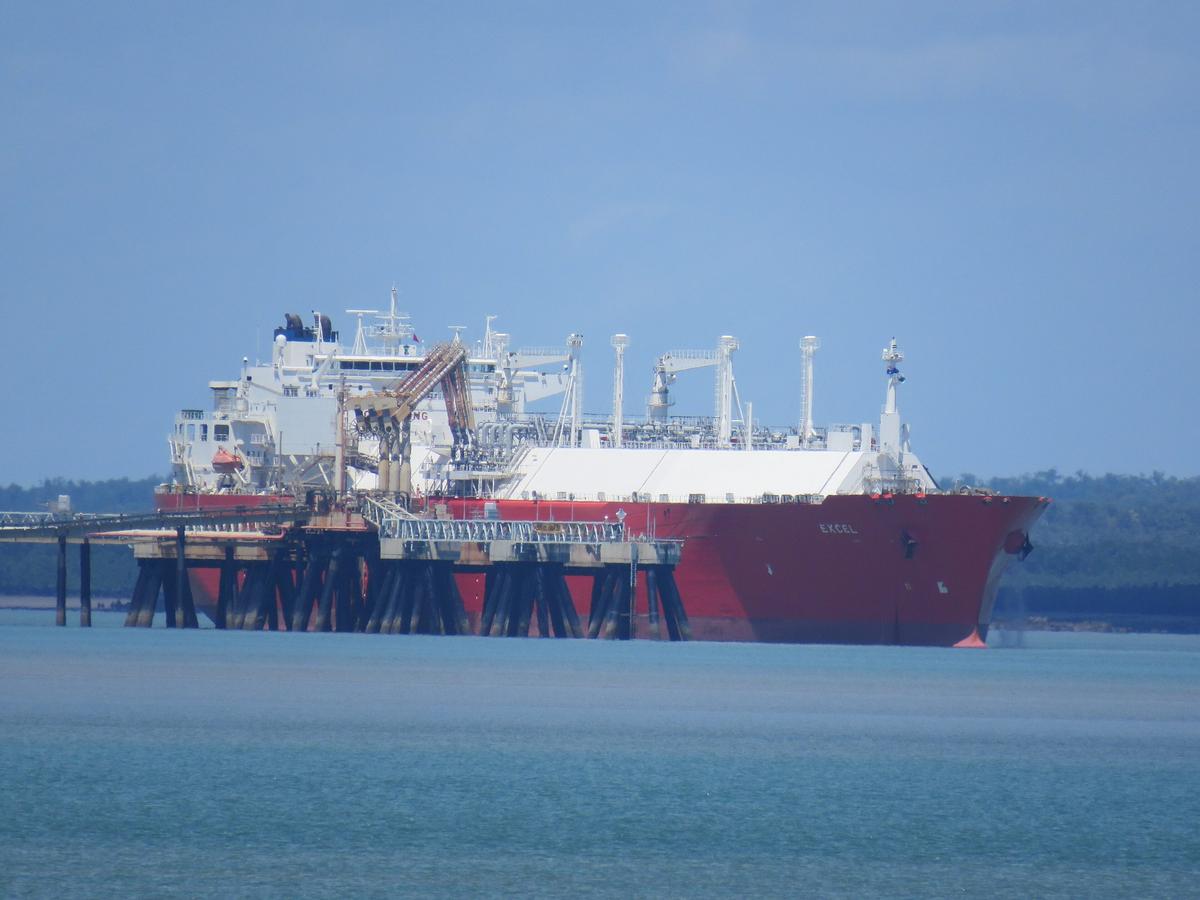
Australia’s gas‑tax conversation has moved from academic debate to parliamentary fact‑checking, reflecting the country’s reliance on long‑term LNG contracts with Japan. A 25% export levy, as the Australia Institute suggests, could generate enough revenue to underwrite free university tuition and childcare, but critics warn it may raise domestic gas prices and strain industry competitiveness. The federal U‑turn on a new gas tax illustrates the tension between revenue needs and energy security, a balance that will shape policy ahead of the next election cycle.
In New South Wales, the push to meet a target of 377,000 new homes by 2029 has collided with climate‑risk realities. The proposed 12‑bed aged‑care facility and 71 independent‑living units sit on a site where 2019 flood‑risk guidelines predict three‑metre water depths and hazardous flow speeds, rendering the location potentially inaccessible during extreme events. Emergency services and the Department of Climate Change, Energy, the Environment and Water have flagged the development as an "unacceptable risk to life," underscoring the need for updated modelling and resilient design in senior housing projects.
GetUp’s decision to pour roughly A$600,000 (≈$400,000 USD) into an anti‑Hanson campaign highlights how advocacy groups are leveraging sizable funds to influence voter sentiment in marginal seats like Farrer. Simultaneously, the collapse of the A$2.7 billion Southbank "STH BNK" venture—now sold for A$130 million (≈$86 million USD)—exposes the lingering impact of pandemic‑era construction cost spikes on large‑scale developments. The appointment of Francine Binns as WSROC chief executive brings a seasoned public‑sector leader to a body poised to guide regional infrastructure, suggesting a strategic focus on coordinated growth amid these fiscal and environmental pressures.
Australia Institute on gaslighting; risky flood proposal; GetUp and Hanson; STH BNK by Beulah
Comments
Want to join the conversation?