Curious Timing: Ukraine Declares Druzhba Pipeline Repaired After New Hungarian PM Elected
Key Takeaways
- •Ukraine repaired Druzhma pipeline, ready to resume Russian oil flow
- •Repairs coincide with Hungary's new PM Peter Magyar taking office
- •EU expects to release $98 bn aid package after pipeline restart
- •Hungary pledges not to block loan but opposes Ukraine EU accession
- •Slovakia anticipates oil deliveries to resume Thursday
Pulse Analysis
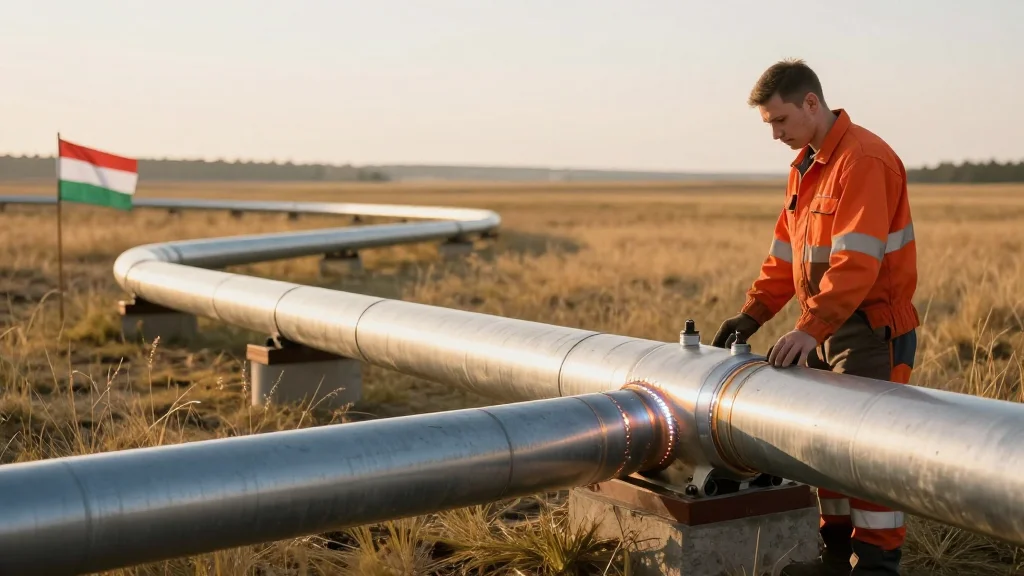
The Druzhba pipeline, a 4,000‑kilometre conduit that carries Russian crude through Ukraine to Central Europe, has long been a flashpoint in the continent’s energy security calculus. Its damage in January, allegedly caused by a Russian strike, forced Hungary and Slovakia to rely on more expensive alternatives, amplifying inflationary pressures. By completing repairs, Ukraine not only restores a critical supply line but also signals its willingness to maintain transit arrangements despite ongoing conflict, a nuance often overlooked in broader sanctions debates.
Peter Magyar’s ascension to Hungary’s premiership introduces a new variable into the EU’s strategic equation. Unlike his predecessor, who wielded a veto that stalled a $98 billion loan to Kyiv, Magyar has publicly committed not to block the financing, though he remains skeptical of deeper EU integration for Ukraine. This stance eases a diplomatic bottleneck, allowing the European Commission to move forward with the aid package that could fund reconstruction, defense, and energy diversification projects. The timing suggests a calculated alignment of energy and fiscal policy to reinforce Kyiv’s resilience while placating member states wary of further Russian influence.
Looking ahead, the pipeline’s reopening may temporarily soften Europe’s energy crunch, but it also underscores the continent’s dependence on Russian oil—a paradox amid aggressive decarbonization goals. Analysts anticipate that the EU will accelerate alternative supply routes, such as increased LNG imports and renewable investments, to mitigate future disruptions. Meanwhile, Hungary’s firm position on migration and EU accession hints at a more nationalist agenda that could complicate collective policy responses, making the interplay between energy logistics and political will a critical focus for investors and policymakers alike.
Curious Timing: Ukraine Declares Druzhba Pipeline Repaired After New Hungarian PM Elected
Comments
Want to join the conversation?