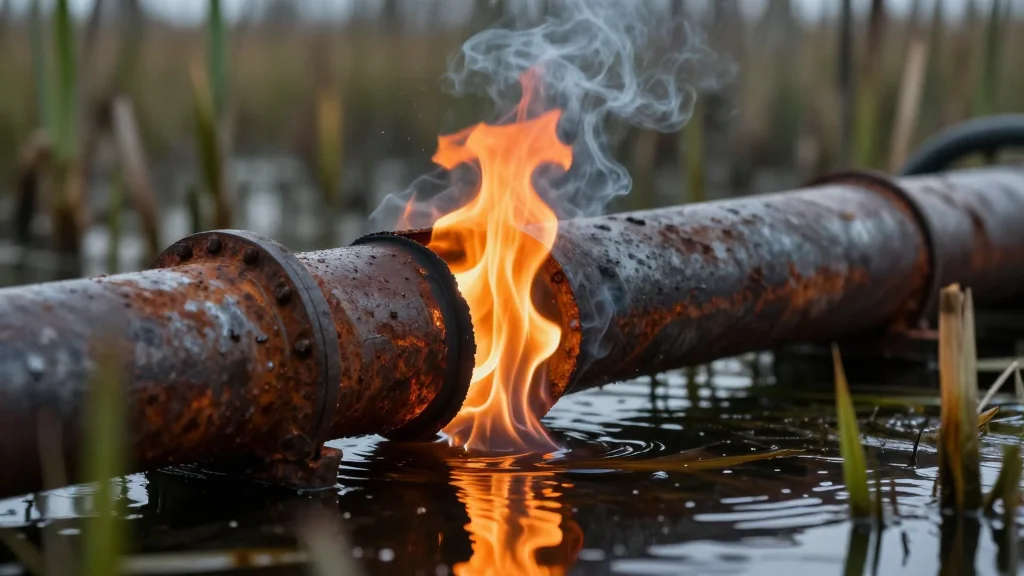
Delfin LNG Pipeline Explosion Underscores Dangers of Fossil Fuel Infrastructure, Casts Doubt on Project Viability
Key Takeaways
- •Feb 3 explosion tore 28‑mile pipeline, fire 80 ft wide
- •Operator injured, filed $1 M lawsuit
- •Project uses 50‑year‑old pipeline repurposed for LNG
- •Regulatory approvals delayed; Trump admin fast‑tracked license
- •Explosion jeopardizes Delfin LNG’s timeline and financial viability
Pulse Analysis
The February 3 blast on Delfin LNG’s 28‑mile onshore pipeline has reignited scrutiny over the safety of aging fossil‑fuel infrastructure. The 50‑year‑old conduit, originally built for conventional gas, was repurposed to feed an offshore liquefaction plant, a practice flagged by watchdogs for heightened rupture risk. The fire, reaching 80 feet in width and burning for hours, injured a crew member who now seeks $1 million in damages, underscoring the human cost of shortcuts in maintenance and design. As communities watched from nearby schools, the incident highlighted gaps in emergency communication and preparedness. The incident also exposes the fraught regulatory pathway that has surrounded Delfin LNG since its inception.
After years of missed milestones, the project finally secured a federal license through an executive order that singled out the venture, bypassing standard environmental review. Subsequent attempts to extend the project’s timeline were rebuffed by the Maritime Administration, yet political backing from senior lawmakers kept the permit alive. This politicized approval process, combined with the reliance on obsolete pipelines, raises questions about the adequacy of oversight mechanisms and the influence of partisan agendas on energy infrastructure decisions. S.
LNG exports. Delfin LNG projected a final investment decision by mid‑2025, but the blast and ensuing lawsuits have pushed the timeline into 2026, eroding investor confidence. Delays also prolong exposure to volatile global gas markets, where higher prices are already being passed to domestic ratepayers. Moreover, Gulf Coast communities—particularly low‑income and minority residents—face compounded environmental justice concerns as additional pipelines and floating liquefaction vessels would intensify local pollution and climate risks. The incident may catalyze broader calls for a shift toward clean‑energy alternatives.
Delfin LNG Pipeline Explosion Underscores Dangers of Fossil Fuel Infrastructure, Casts Doubt on Project Viability
Comments
Want to join the conversation?