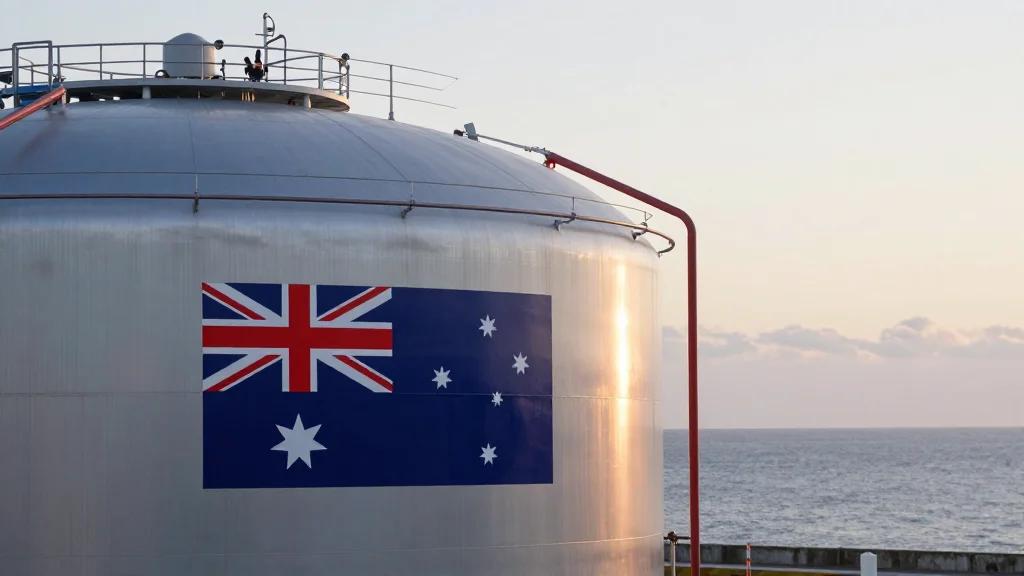
Fuel Scab Albo Crushes Gas Tax Hopes
Key Takeaways
- •Albanese opposes new gas export tax amid global fuel volatility
- •Gas firms paid about $22 bn in Australian company tax FY24‑25
- •Tax could deter investment from Petronas, Inpex and other foreigners
- •Opposition suggests domestic gas reserve programme as alternative
- •Potential waivers may become bargaining chips for guaranteed supply
Pulse Analysis
Australia’s gas market sits at a crossroads, with the nation increasingly dependent on imported diesel and LNG from Asian neighbours. The fallout from heightened U.S.-Iran tensions has amplified concerns over supply chain resilience, prompting policymakers to tread carefully on measures that could strain relationships with Malaysia, South Korea and Japan—countries that have poured billions into Australian LNG projects. In this environment, any fiscal move that appears to penalise exporters risks reverberating through the broader energy security agenda.
The proposed export tax aims to capture additional revenue from a sector that already contributed an estimated $22 billion in corporate tax during the 2024‑25 financial year. Proponents argue the levy would fund a domestic gas reserve, yet critics point out the absence of a concrete reserve design and question the efficacy of a tax‑driven approach. Opposition leader Madeleine King’s alternative—establishing a strategic gas reserve—offers a supply‑focused narrative but lacks detailed implementation plans. Meanwhile, major investors such as Malaysia’s Petronas and Japan’s Inpex have signaled that heightened tax burdens could deter future capital inflows, potentially slowing the expansion of Australia’s gas infrastructure.
Strategically, the tax debate could evolve into a bargaining chip: temporary waivers might be exchanged for guaranteed fuel deliveries, allowing the government to secure supply while preserving investor confidence. As winter looms and domestic gas prices remain sensitive to weather‑driven demand spikes, the outcome will influence not only fiscal balances but also Australia’s positioning in the regional energy landscape. Stakeholders will be watching closely to see whether fiscal prudence or market incentives will drive the next chapter of Australia’s gas policy.
Fuel scab Albo crushes gas tax hopes
Comments
Want to join the conversation?