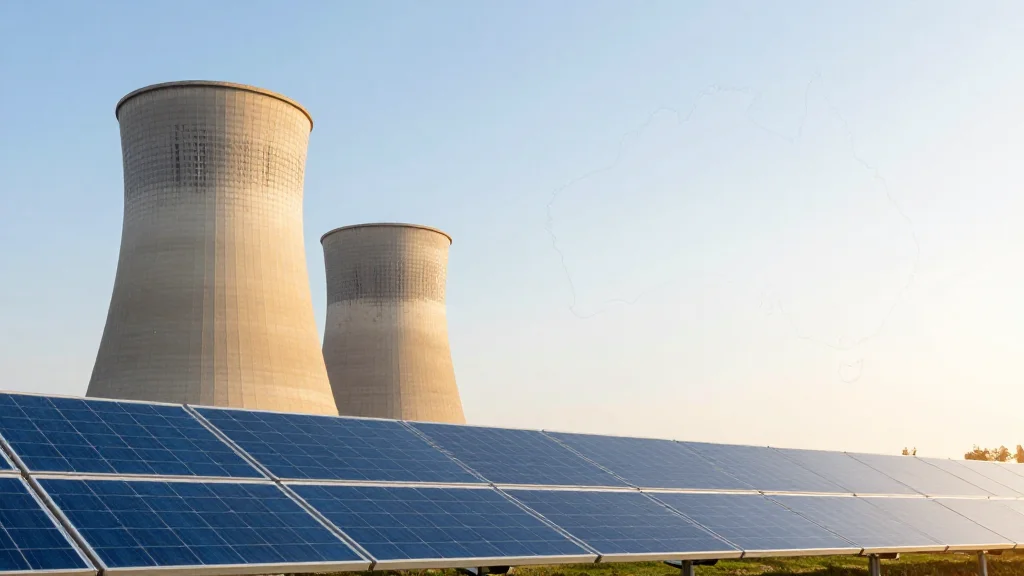
Germany’s Energy ‘Own Goal’ a Warning for Australia
Key Takeaways
- •Germany eliminated 22 GW nuclear, losing 160 TWh clean generation.
- •Phase‑out completed by 2023 left gap filled by gas imports.
- •Solar capacity grew, but intermittency raised grid stability concerns.
- •High electricity prices spurred debate on energy security in Europe.
- •Australia warned to balance renewables with firm low‑carbon sources.
Pulse Analysis
Germany’s decision to abandon nuclear power after the 2011 Fukushima disaster reshaped its electricity landscape. At the height of its nuclear fleet the country operated about 22 GW of reactors, delivering more than 160 TWh of zero‑emission power annually—roughly a quarter of total consumption. The shutdown was executed in stages, with the final plants closed by the end of 2023. While the move satisfied public safety concerns, it also removed a reliable, low‑cost source of baseload electricity, creating a structural gap that the energy system still feels today.
To fill the void, Germany accelerated the deployment of solar and wind, becoming a European leader in installed renewable capacity. However, the variable nature of these sources has strained the grid, especially during periods of low wind and cloud cover. The shortfall has been met largely by increased imports of natural gas and, to a lesser extent, coal, pushing wholesale electricity prices to multi‑year highs. Consumers and industry now confront volatile bills, and policymakers grapple with balancing climate goals against energy security and affordability.
Australia watches Germany’s experience as it scales up its own renewable ambitions. With a vast solar resource and growing wind farms, the continent still relies heavily on coal‑fired generation for firm capacity. The German case warns that an abrupt removal of dispatchable low‑carbon power can trigger price spikes and grid instability, undermining public support for the transition. Experts suggest a staged approach that pairs renewables with flexible assets such as battery storage, green hydrogen, or next‑generation nuclear, ensuring a resilient supply while meeting emissions targets.
Germany’s energy ‘own goal’ a warning for Australia
Comments
Want to join the conversation?