Hormuz Maritime Security Mechanism Agreed by Iran in Switzerland Breakthrough
Key Takeaways
- •Iran, US, Qatar, Pakistan reached a transit framework in Switzerland
- •18‑hour diplomatic marathon produced a formal safe‑passage mechanism
- •Technical teams will refine details before final peace pact talks
- •Hormuz Strait moves ~5% of global oil; security boost cuts price risk
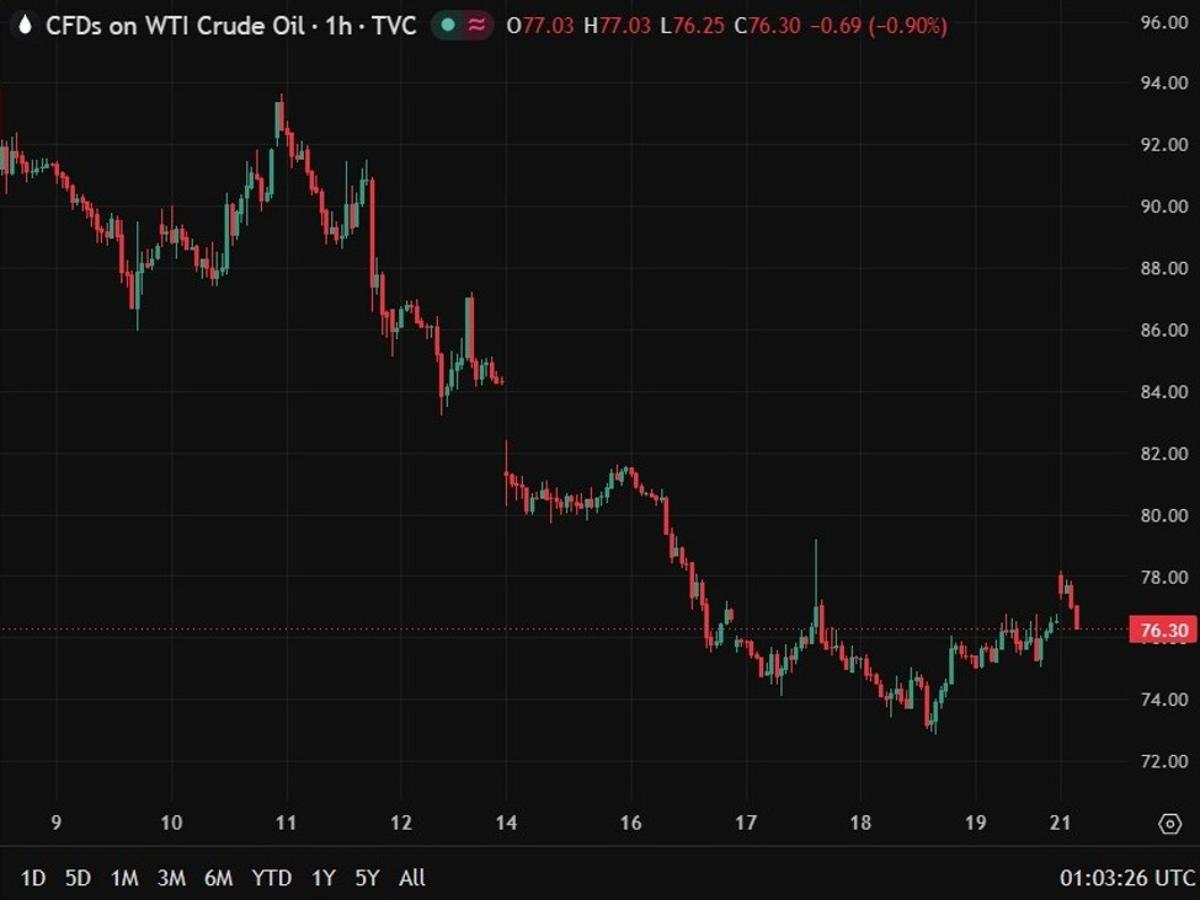
- •Traders anticipate crude prices falling as safe‑passage protocol takes effect
Pulse Analysis
The Strait of Hormuz, a narrow waterway linking the Persian Gulf to the Arabian Sea, funnels roughly one‑fifth of the world’s petroleum supply. Historically, regional disputes and occasional missile strikes have turned the passage into a high‑risk corridor, prompting insurers to levy steep premiums and causing sudden spikes in crude benchmarks. The latest diplomatic push reflects a broader trend of multilateral engagement, where external powers such as Qatar and Pakistan act as neutral facilitators to bridge Tehran and Washington’s divergent security concerns.
During an 18‑hour session in Switzerland, senior envoys from Iran, the United States, and their regional intermediaries hammered out a formal transit mechanism. While the public details remain limited, the framework promises coordinated naval escorts, real‑time vessel monitoring, and a joint communication channel for incident response. By retaining technical expert teams on the ground, the parties signal a commitment to operationalizing the agreement rather than leaving it as a symbolic gesture. This approach mirrors successful maritime confidence‑building measures in other contested straits, where incremental steps have gradually reduced the likelihood of accidental confrontations.
For commodity traders and energy‑focused investors, the immediate implication is a potential downward adjustment in crude oil futures as the risk premium contracts. Lower insurance costs and more predictable shipping schedules could also revive freight rates that have been suppressed by uncertainty. However, markets will remain vigilant, watching how quickly the technical teams translate the diplomatic text into enforceable protocols. If the mechanism proves robust, it could serve as a cornerstone for a wider peace process, encouraging further diplomatic overtures across the Middle East and reinforcing the stability of global energy supplies.
Hormuz maritime security mechanism agreed by Iran in Switzerland breakthrough
Comments
Want to join the conversation?