How Long Can Iran Keep Hormuz Closed?
Key Takeaways
- •Iran's storage capacity equals ~86 million barrels, 54% currently filled
- •Existing storage supports about 22 days of export at current rates
- •Four trapped VLCCs add ~8 million barrels, extending to ~26 days
- •Production curtailment likely starts after 16 days of blackout
- •Full export shut‑in (~1.9 mb/d) expected near day 30
Pulse Analysis
The Strait of Hormuz remains one of the world’s most critical oil chokepoints, funneling roughly 20% of daily global petroleum flow. Iran’s strategic leverage hinges on its ability to disrupt this corridor, but the country’s on‑shore storage—approximately 86 million barrels—places a hard ceiling on how long it can sustain a self‑imposed export halt. With tanks currently about 54% full, Iran can theoretically ship around 47 million barrels, buying roughly 22 days of export continuity before reserves run dry.
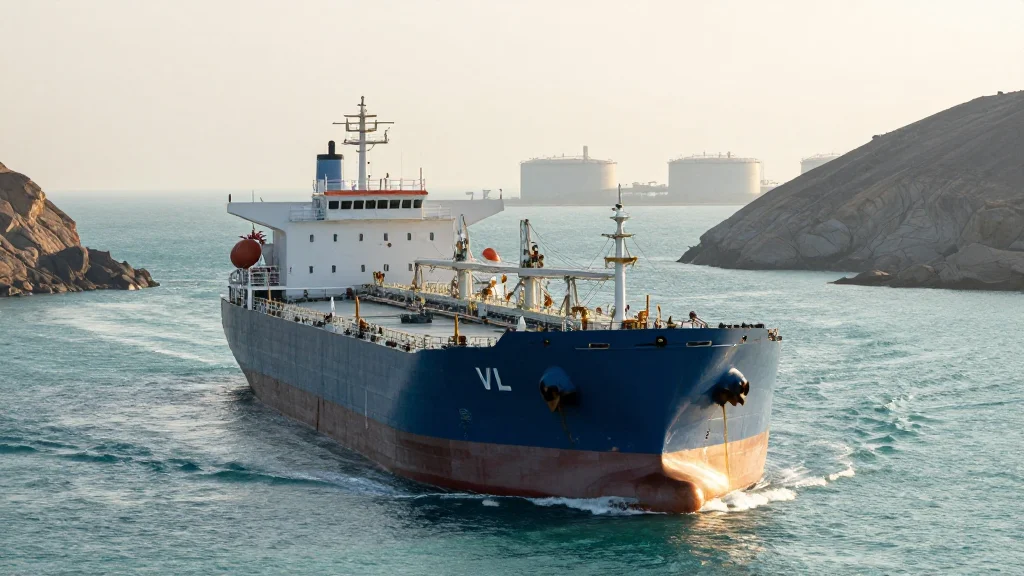
Beyond static storage, Iran benefits from four VLCCs stranded inside Hormuz, each capable of carrying roughly 2 million barrels. If fully loaded, these vessels add another 8 million barrels to the supply pool, nudging the blackout window to about 26 days. However, operational realities suggest Iran would not wait until reserves are exhausted. Industry analysts expect production cuts to begin after roughly 16 days of a total export shutdown, with output gradually reduced toward a full 1.9 million‑barrel‑per‑day curtailment by day 30. This phased approach reflects the need to balance domestic revenue, refinery feedstock, and the risk of triggering a market panic.
The market implications are immediate and far‑reaching. Even a two‑week disruption can tighten global oil inventories, push Brent and WTI prices higher, and force shipping firms to reroute vessels around the Cape of Good Hope, adding days and costs. Energy‑intensive economies may see short‑term price spikes, while investors could recalibrate risk premiums on Middle‑East exposure. In the longer view, the limited duration of Iran’s storage capacity underscores why diplomatic engagement and alternative supply routes remain essential to mitigate the systemic risk posed by any prolonged Hormuz closure.
How long can Iran keep Hormuz closed?
Comments
Want to join the conversation?