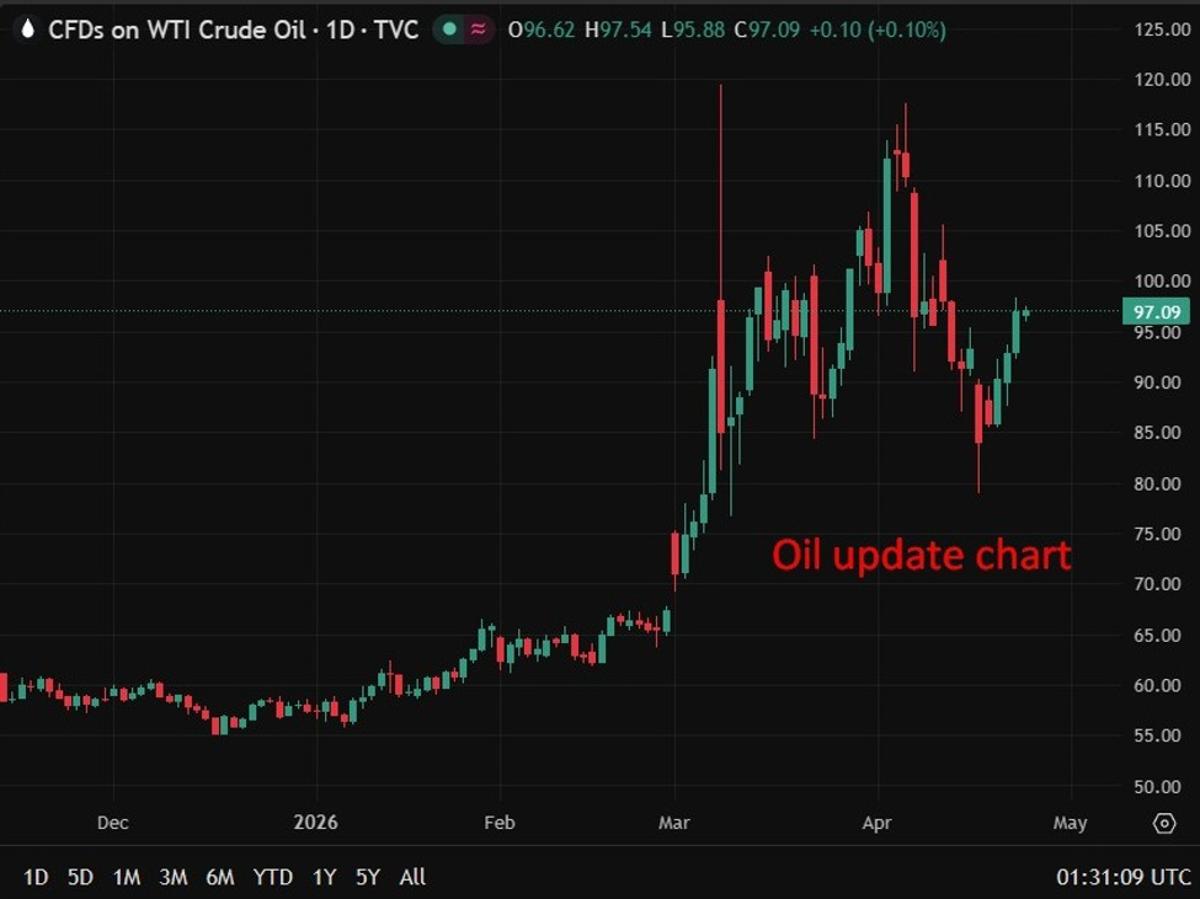
ICYMI: Iran War Forces Asia Refiners to Slash Runs, Putting Diesel and Jet Supply at Risk
Key Takeaways
- •Asia crude imports down 22% YoY, hitting 10‑year low
- •Refinery runs expected near 28.5 million bpd in April‑May
- •Diesel and jet fuel supply could fall 1.8‑2.0 million bpd
- •Light‑sweet crude share rises to 21%, reducing distillate yields
Pulse Analysis
The closure of the Strait of Hormuz has delivered the deepest supply shock to Asia’s refining sector in a decade. With roughly two‑thirds of the region’s crude historically sourced from the Middle East, the sudden loss of medium‑sour grades—about 8 million bpd in March alone—has forced refiners to turn to lighter, higher‑priced barrels such as U.S. WTI and West African sweet crudes. This grade shift not only raises feedstock costs but also cuts the yield of middle distillates, a critical output for diesel and jet fuel production.
Middle distillate markets are feeling the squeeze. Kpler estimates a loss of up to 2 million bpd of diesel and jet fuel in April, with diesel bearing the brunt. Lower refinery utilisation—down to 65% in South Korea and Japan and under 50% in Singapore—exacerbates the shortfall, while China’s curbed fuel exports tighten regional supplies further. The resulting scarcity pushes freight and aviation fuel prices higher, feeding into broader inflationary trends and pressuring logistics‑intensive industries across the continent.
Looking ahead, the outlook remains contingent on geopolitical developments. Analysts anticipate a modest rebound in runs from June if the Hormuz corridor reopens, but the pace of recovery will depend on how quickly alternative crude supplies can be scaled and how refineries adjust their configurations for lighter grades. In the interim, traders and end‑users are likely to hedge against continued volatility, and governments may impose additional export controls to safeguard domestic fuel security, extending the market impact beyond Asia’s borders.
ICYMI: Iran war forces Asia refiners to slash runs, putting diesel and jet supply at risk
Comments
Want to join the conversation?