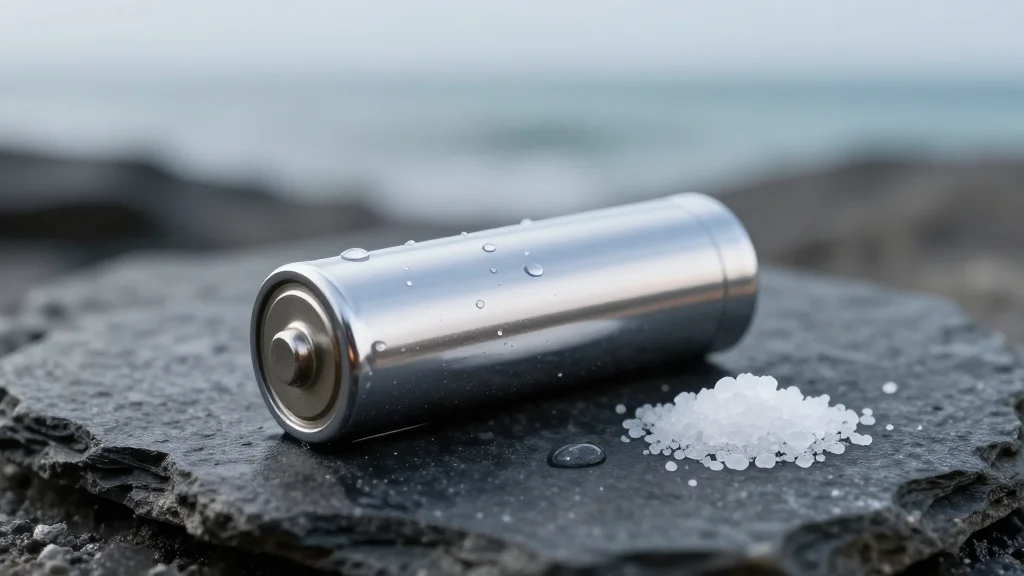
In China, Battery Makers Bet Big on Sodium in Move Away From Critical Minerals – by You Xiaoying (Reuters – March 16, 2026)
Key Takeaways
- •Sodium‑ion uses seawater‑derived sodium, vastly more abundant than lithium.
- •China imports 60% of refined lithium, exposing supply vulnerability.
- •Sodium‑ion offers better low‑temperature stability and faster charging.
- •Industry sees sodium‑ion as a path to reduce critical mineral dependence.
- •Early commercialization could shift global battery supply chain dynamics.
Pulse Analysis
China’s battery sector is confronting the same lithium constraints that have spurred Western manufacturers to scramble for new sources. In 2024, roughly six‑tenths of the lithium refined domestically arrived from Australia and South America, creating a supply‑chain vulnerability that could hamper the nation’s electric‑vehicle ambitions. Sodium‑ion batteries, by contrast, draw on an element that is virtually inexhaustible—seawater provides a cheap, geographically dispersed feedstock. This abundance not only reduces exposure to geopolitical shocks but also aligns with China’s broader goal of securing domestic sources for strategic technologies.
Beyond raw material security, sodium‑ion chemistry brings distinct performance benefits. The batteries tolerate sub‑zero temperatures far better than conventional lithium‑ion cells, a critical advantage for cold‑climate markets such as northern China and Europe. Their ionic conductivity also enables faster charge cycles, potentially cutting EV charging times to under fifteen minutes for short trips. While energy density remains modest—typically 10‑15% lower than lithium‑ion—ongoing research on cathode formulations and solid‑electrolyte interfaces is narrowing the gap. Pilot production lines have already delivered commercial‑grade sodium‑ion packs for grid‑scale storage, signaling that the technology is moving beyond the lab.
Strategically, the sodium‑ion push could recalibrate global battery geopolitics. If Chinese firms achieve economies of scale first, they may dominate export markets for cost‑sensitive applications, from electric buses to stationary storage. Competitors in the United States and Europe will likely accelerate their own sodium‑ion programs to avoid ceding market share. In the longer term, a diversified battery ecosystem—where lithium, sodium, and emerging chemistries coexist—could stabilize prices, spur innovation, and accelerate the transition to a low‑carbon economy.
In China, battery makers bet big on sodium in move away from critical minerals – by You Xiaoying (Reuters – March 16, 2026)
Comments
Want to join the conversation?