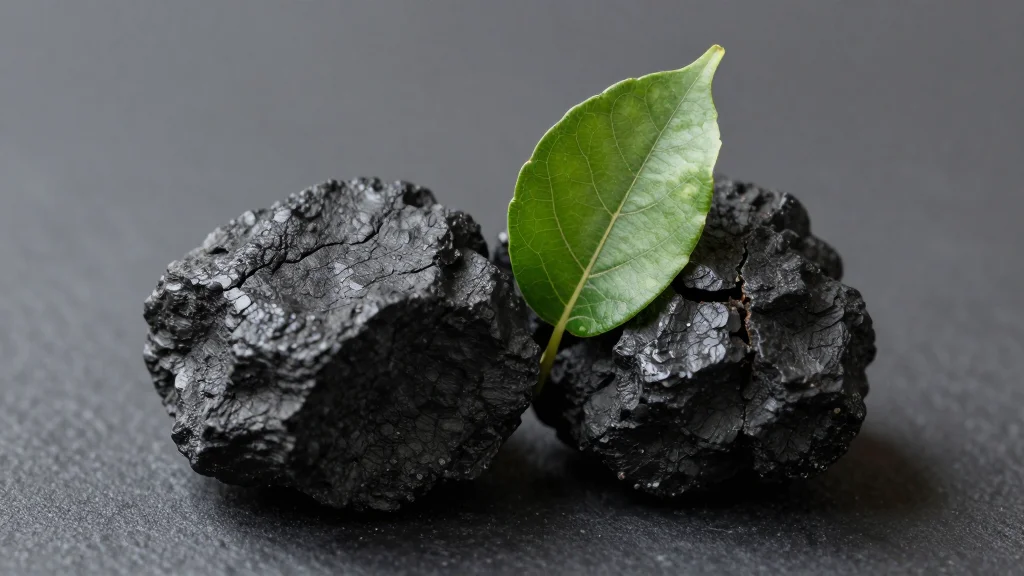
Indonesia Talks Energy Transition, But Why Does Coal Still Rule? – by Alan Munandar (Modern Diplomacy – April 21, 2026)
Key Takeaways
- •Indonesia added third‑largest coal capacity globally in 2024.
- •Coal now provides 68% of Indonesia’s electricity generation.
- •Planned 26.7 GW of new coal capacity by 2030.
- •Renewable share stalled at 13.9% in 2024, below targets.
- •G20 pledge shifted from retirement to “phase‑down” of coal.
Pulse Analysis
Indonesia’s energy narrative is a study in contrast. At the 2024 G20 summit in Rio, President Prabowo Subianto announced an ambitious fifteen‑year timeline to retire every coal and fossil‑fuel power plant, a pledge that resonated with global climate ambitions. Yet, within days, senior officials clarified the goal as a “phase‑down,” a linguistic retreat that foreshadowed the country’s continued investment in coal. In 2024, Indonesia commissioned enough new coal capacity to rank third worldwide, expanding its fleet to 54.7 GW and earmarking an additional 26.7 GW for completion by 2030. This expansion cements coal’s dominance, supplying roughly 68% of the nation’s electricity.
The policy disconnect has tangible climate and market repercussions. Indonesia’s renewable penetration stalled at 13.9% in 2024, well short of the revised 17‑19% target for 2025, highlighting systemic barriers such as grid constraints, financing gaps, and regulatory uncertainty. As the world tightens emissions standards, Indonesia’s reliance on coal could attract carbon‑pricing penalties and deter green‑finance inflows, while simultaneously locking in high‑carbon infrastructure for decades. Investors and multinational corporations eyeing the region must weigh the risk of stranded assets against the country’s vast market potential.
Looking ahead, Indonesia faces a pivotal choice. Accelerating renewable deployment—through clearer policy signals, streamlined permitting, and incentives for storage—could align the nation with its G20 commitments and global climate pathways. Conversely, persisting with coal expansion risks international censure and undermines regional decarbonization efforts. Stakeholders, from government ministries to private financiers, will need to reconcile rhetoric with concrete actions to reshape Indonesia’s energy future.
Indonesia Talks Energy Transition, But Why Does Coal Still Rule? – by Alan Munandar (Modern Diplomacy – April 21, 2026)
Comments
Want to join the conversation?