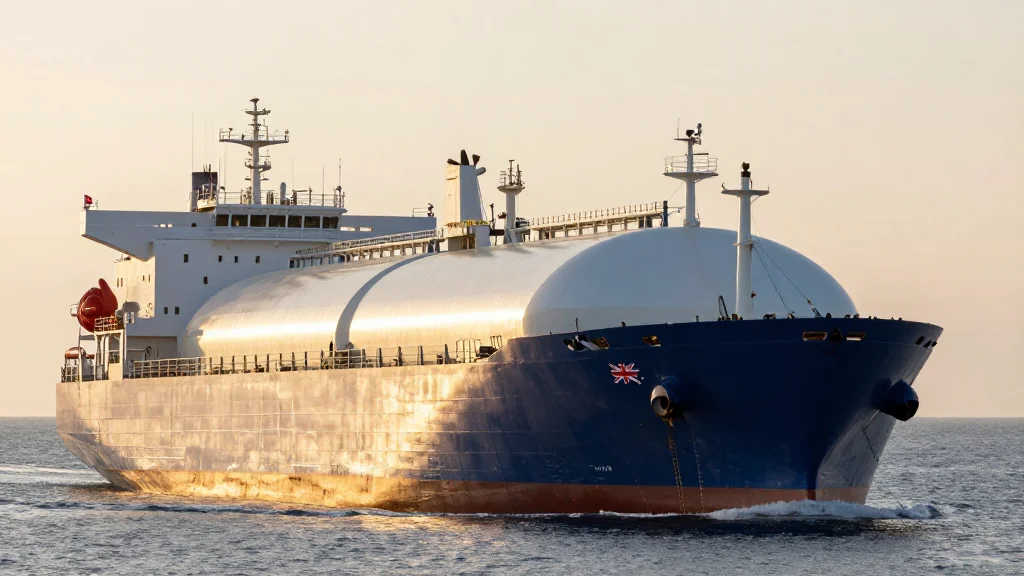
Japanese Reselling of Australian LNG Challenges Energy Security Claims
Key Takeaways
- •Japanese firms resold 10.8‑13.6 Mt of Australian LNG in 2025.
- •Resales equal up to 1.5 × eastern Australia’s annual domestic gas use.
- •Australia supplied ~30% of all LNG resold by Japanese traders.
- •Majority of resold cargoes went to Taiwan and South Korea.
- •Findings challenge Japan’s energy‑security narrative and Australian export policy.
Pulse Analysis
Japan’s LNG trading houses have turned Australian cargoes into a regional arbitrage engine, moving roughly 11 million tonnes of gas to higher‑priced markets such as Taiwan and South Korea. This activity reflects a broader shift in the Asia‑Pacific gas market, where spot price volatility and the United States’ growing LNG presence create profit opportunities for well‑capitalised traders. By leveraging long‑term contracts and spot purchases, Japanese firms can secure supply for domestic power generation while simultaneously capitalising on price differentials abroad.
The resale flow undermines the long‑standing claim that Japan’s energy security hinges on uninterrupted Australian deliveries. If Japanese utilities can readily off‑load Australian LNG to third‑party buyers, the perceived risk of supply shortages diminishes, calling into question the political leverage Australia seeks by tightening export curbs. At the same time, the volume being redirected abroad highlights domestic concerns in eastern Australia, where gas shortages and rising electricity costs have sparked calls for higher domestic reservation ratios.
For policymakers, the key takeaway is the need to balance commercial trading incentives with national energy resilience. Australia may consider revising its export licensing framework to ensure a baseline of gas remains for local consumption, while Japan could reassess its strategic stockpiling assumptions and diversify supply sources beyond Australia and the United States. Regional buyers, meanwhile, stand to benefit from a more fluid LNG market, but must watch for regulatory shifts that could alter the profitability of these resale corridors.
Japanese reselling of Australian LNG challenges energy security claims
Comments
Want to join the conversation?