Morgan Stanley Maps Four Oil Shock Scenarios From Fed Hikes to Global Recession
Key Takeaways
- •Scenario 1: Fed hikes 100 bps in 2027 as oil shock fades
- •Scenario 2: AI lifts productivity, unemployment hits 4.8% by 2027, prompting cuts
- •Scenario 3: Oil premium keeps core PCE above 3%, Fed holds rates
- •Scenario 4: Oil at $140‑160/barrel could spark global recession by late 2026
Pulse Analysis
Morgan Stanley’s scenario framework underscores the growing uncertainty in macro forecasting as geopolitical, energy and technological forces intersect. The base case assumes a modest de‑escalation of the Iran conflict, a contained inflation spike and a Federal Reserve that remains on hold while the economy grows at trend pace. By mapping four divergent paths, the bank forces analysts to consider how a 100‑basis‑point rate hike, AI‑induced labour displacement, a sustained oil premium or an oil‑driven recession could each reshape policy levers and market dynamics.
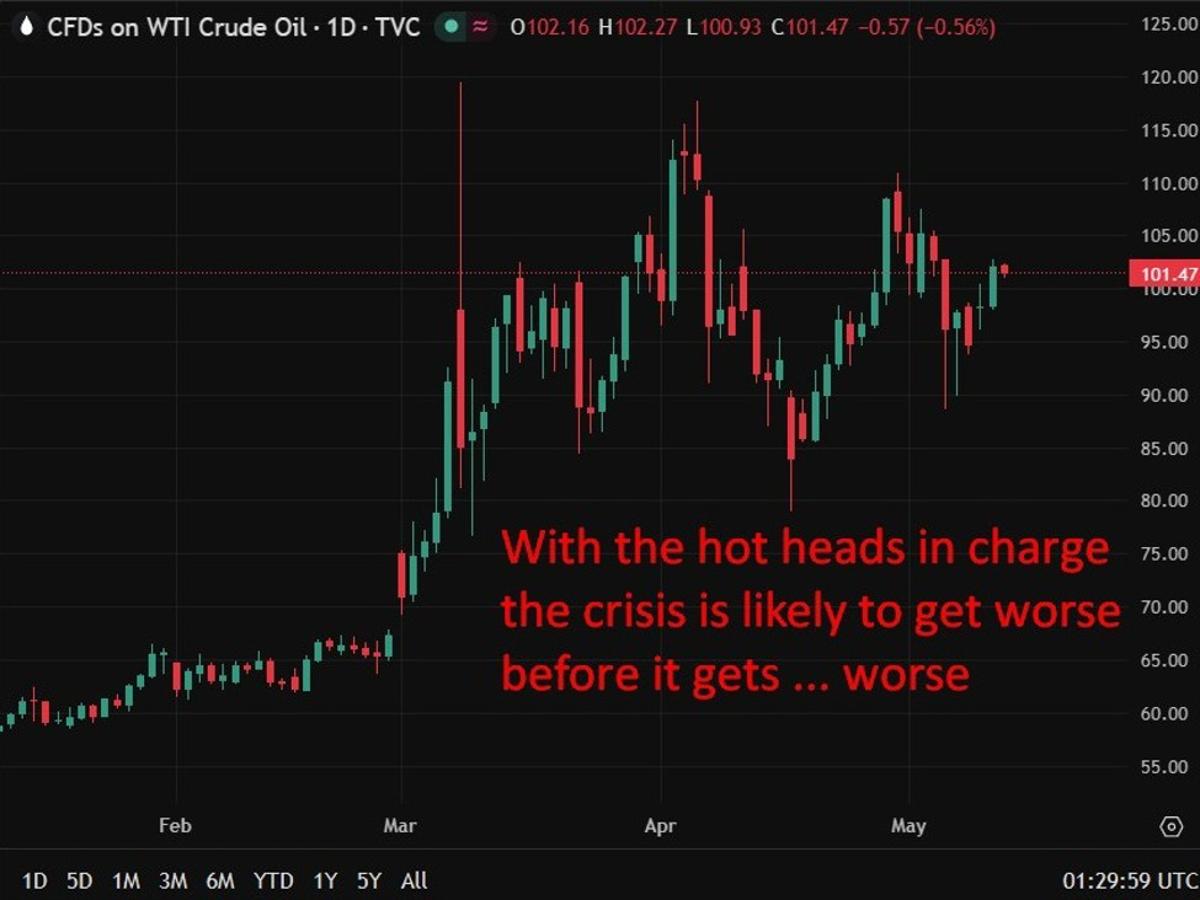
In Scenario 1, a quicker‑than‑expected dissipation of the oil shock fuels consumer confidence and wealth effects, prompting the Fed to tighten by 100 basis points in 2027. Scenario 2 flips the narrative: AI boosts productivity but displaces workers, pushing unemployment to roughly 4.8% by 2027 and nudging the Fed toward early‑2027 easing. Scenario 3 presents a more energy‑centric outlook, where a permanent oil price premium keeps core PCE above 3% and forces the Fed to keep rates steady in the 3.5‑3.75% band through 2027. The most severe Scenario 4 envisions oil at $140‑160 a barrel, generating demand destruction that could tip the global economy into recession by the third quarter of 2026.
For investors, the breadth of these scenarios argues for a diversified, optionality‑rich approach. Energy‑focused portfolios must weigh the upside of a sustained oil premium against the downside of a recession‑inducing price spike. At the same time, sectors benefiting from AI productivity gains may face headwinds from higher unemployment and potential rate cuts. Asset allocators should monitor real‑time oil price movements, Fed communications and AI adoption metrics to adjust exposure, preserving flexibility as the macro landscape evolves.
Morgan Stanley maps four oil shock scenarios from Fed hikes to global recession
Comments
Want to join the conversation?